
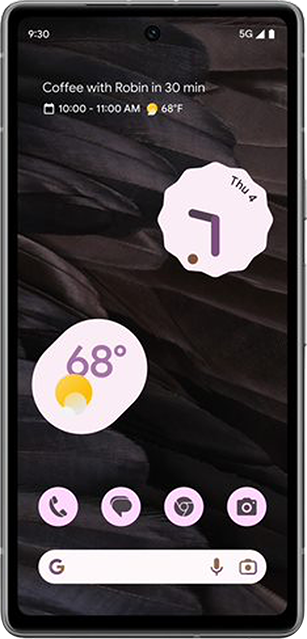
When shopping for a new smartphone, consumers often encounter terms like “PTA approved” or “sim locked” that can significantly impact usability and long-term value. A recent TikTok video highlighted two devices — the Google Pixel 7 and the Motorola G Stylus 2023 — framing them as officially approved by Pakistan’s telecommunications authority and subject to SIM lock restrictions. While such labels may suggest immediate availability or carrier limitations, understanding what these certifications and constraints actually mean requires looking beyond social media snippets to verified regulatory and manufacturer sources.
The Pakistan Telecommunication Authority (PTA) oversees the certification of mobile devices for legal operation within the country, ensuring they meet technical and regulatory standards before being sold or used on local networks. Devices without PTA approval may face blocking or restricted functionality after a grace period. Similarly, a SIM-locked phone is typically tied to a specific carrier at purchase, limiting its use with other SIM cards unless officially unlocked through the provider or a verified third-party service. These factors are especially relevant for buyers considering imported or second-hand devices, where approval status and lock conditions can vary widely.
To assess the claims made in the viral clip, it’s essential to verify each device’s status through official channels. The Google Pixel 7, released globally in October 2022, was indeed submitted for PTA type approval, a process confirmed through the authority’s public database of certified equipment. Likewise, the Motorola G Stylus 2023, launched in early 2023 as part of Motorola’s mid-range lineup, underwent similar scrutiny for compliance with Pakistani telecom standards. Both devices appear in the PTA’s list of approved models, meaning they are legally operable on networks such as Jazz, Zong, Telenor, and Ufone — provided they are not carrier-locked to a foreign provider.
Still, SIM lock status depends heavily on the point of sale. Devices purchased directly from carriers in countries like the United States or Canada often come with network locks that prevent immediate use with Pakistani SIM cards. For example, a Pixel 7 bought through Verizon or AT&T would typically remain locked until the user fulfills contract terms or requests an unlock code. The same applies to Motorola devices sold via carriers such as T-Mobile or Cricket Wireless. In contrast, factory-unlocked models purchased outright from manufacturers or authorized retailers usually lack such restrictions and can be used with any compatible SIM card worldwide — a critical distinction for international buyers.
Verifying a device’s PTA approval status is straightforward: the authority maintains an online portal where users can enter a phone’s IMEI number to check its registration and compliance status. This tool helps consumers avoid purchasing devices that may be blocked after the temporary allowance period for unapproved imports expires. Similarly, checking whether a phone is SIM-locked can be done by inserting a SIM from another carrier or contacting the original seller or network provider for confirmation. Some manufacturers also provide online IMEI checkers that indicate lock status alongside warranty and activation details.
For users in Pakistan considering either device, the combination of PTA approval and unlock status determines real-world usability. A PTA-approved, factory-unlocked Pixel 7 or G Stylus 2023 offers full access to local 4G and 5G bands (where available), timely software updates, and compatibility with domestic SIM cards without workaround solutions. Conversely, a SIM-locked version — even if PTA-approved — may require additional steps to function properly, potentially involving fees, waiting periods, or reliance on unofficial unlocking methods that could void warranties or violate terms of service.
Software support also plays a role in long-term value. The Google Pixel 7 is guaranteed to receive Android OS and security updates until at least October 2025, per Google’s official support lifecycle. The Motorola G Stylus 2023, while receiving fewer years of guaranteed updates, still benefits from Motorola’s commitment to delivering Android version upgrades and bimonthly security patches for a defined period post-launch. Users should consult each manufacturer’s support policy to understand how long their chosen device will remain secure and functional.
Beyond specifications, real-world usage considerations include camera performance, battery life, and stylus functionality — areas where the two devices diverge meaningfully. The Pixel 7 leverages Google’s computational photography strengths, offering excellent low-light photography and consistent image processing despite having only a single rear camera sensor. The Moto G Stylus 2023, meanwhile, emphasizes productivity with its integrated stylus, a larger display for note-taking, and a higher-resolution primary sensor, though its software experience may not match the Pixel’s timeliness or consistency in updates.
Price sensitivity further influences decision-making. Both devices are frequently available in the second-hand market at reduced costs, but buyers must weigh savings against potential risks like expired warranties, undisclosed damage, or unclear network history. Purchasing from reputable sellers who provide proof of PTA approval, unlock status, and original accessories reduces uncertainty. Platforms like OLX Pakistan or Facebook Marketplace host numerous listings, but due diligence remains essential to avoid scams or non-compliant hardware.
the viral TikTok clip serves as a reminder that device labels tell only part of the story. While PTA approval confirms legal operability within Pakistan, and SIM lock status indicates carrier restrictions, neither alone guarantees a seamless user experience. Prospective buyers should cross-reference official sources — including manufacturer websites, PTA’s certification database, and carrier policies — before committing to a purchase. As smartphone markets grow increasingly global, informed choices based on verified facts rather than trending content will continue to protect consumers from avoidable frustrations and ensure lasting satisfaction with their technology investments.