
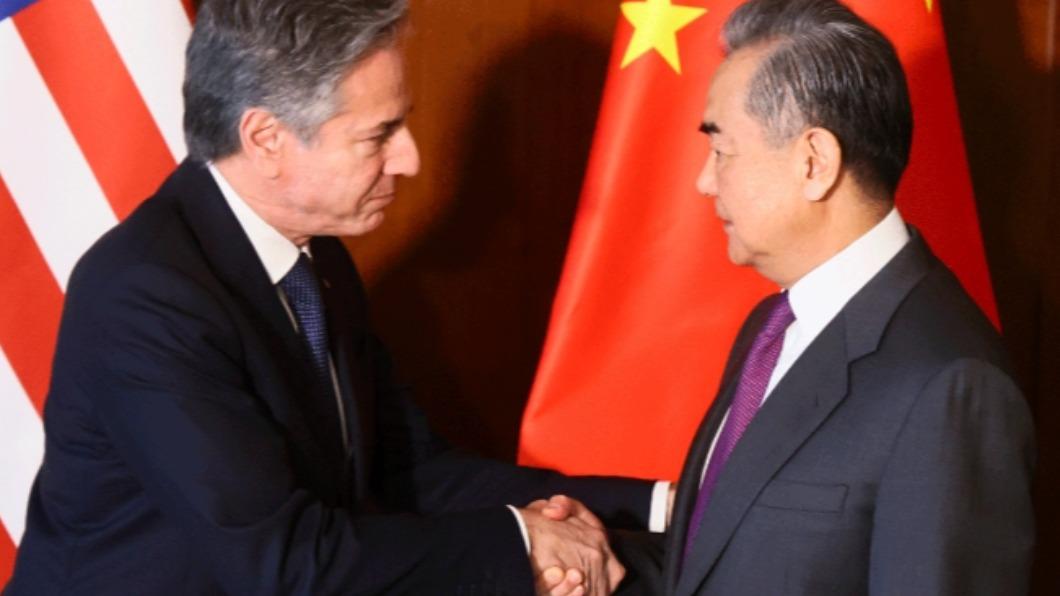
Chinese Foreign Minister Wang Yi held a telephone conversation with U.S. Secretary of State Antony Blinken this week, during which the two diplomats discussed bilateral relations and the status of Taiwan. According to a statement released by the Chinese Foreign Ministry, Wang urged the United States to act with caution regarding the Taiwan issue, characterizing it as a core interest of China that requires careful handling to maintain stability in the U.S.-China relationship.
The call, which took place as both nations seek to manage ongoing tensions, underscored the persistent friction points in the world’s largest bilateral economic relationship. While the U.S. State Department has frequently emphasized the importance of maintaining open lines of communication to prevent competition from veering into conflict, Beijing continues to demand that Washington adhere strictly to the “One China” policy, which remains a central pillar of diplomatic discourse between the two powers.
Diplomatic Priorities and the Taiwan Question
During the exchange, Wang Yi emphasized that the development of U.S.-China relations should be based on mutual respect and the expansion of cooperation. However, the Chinese side placed significant weight on the Taiwan issue, warning that any perceived interference or support for Taiwan’s independence could undermine the foundation of diplomatic ties. The Chinese Foreign Ministry reported that Wang described the Taiwan issue as the “first red line” that must not be crossed, urging the U.S. to translate its stated commitments into concrete actions.

The U.S. government maintains its own set of policies, including the Taiwan Relations Act, which guides its engagement with the island. According to the U.S. Department of State, the United States does not have formal diplomatic relations with Taiwan but maintains a robust unofficial relationship. Washington’s stance is that it opposes any unilateral changes to the status quo by either side, a position that often conflicts with Beijing’s stated goal of “reunification.”
Managing Global and Regional Tensions
The conversation between Wang and Blinken serves as the latest in a series of high-level engagements designed to stabilize a relationship that has been strained by trade disputes, technology restrictions, and divergent views on regional security. Both sides have acknowledged the necessity of managing their differences through dialogue rather than confrontation.
Financial analysts note that the predictability of the U.S.-China relationship is a critical factor for global markets. According to the International Monetary Fund, geopolitical fragmentation—driven by tensions between major economies—poses a significant risk to global economic growth. Investors and multinational corporations continue to monitor these diplomatic exchanges closely for signals regarding future regulatory environments and potential supply chain disruptions.
The Path Forward for Bilateral Ties
Looking ahead, the diplomatic calendar remains busy with various international forums providing opportunities for further meetings. Both the U.S. and China have signaled an interest in maintaining communication channels to avoid miscalculations. While the rhetoric surrounding Taiwan remains firm, the focus of these discussions often shifts to broader issues, including climate change, global economic stability, and artificial intelligence safety, where both nations have expressed a tentative interest in collaborative frameworks.

The next major checkpoint for these discussions will likely occur during upcoming multilateral summits, where leaders and senior diplomats are expected to address the implementation of agreements reached during previous high-level meetings. For now, the global business community remains in a “wait-and-see” mode, balancing the potential for continued economic integration against the backdrop of persistent geopolitical rivalry.
We invite our readers to share their analysis on how these diplomatic developments might influence global market trends in the comments section below.