
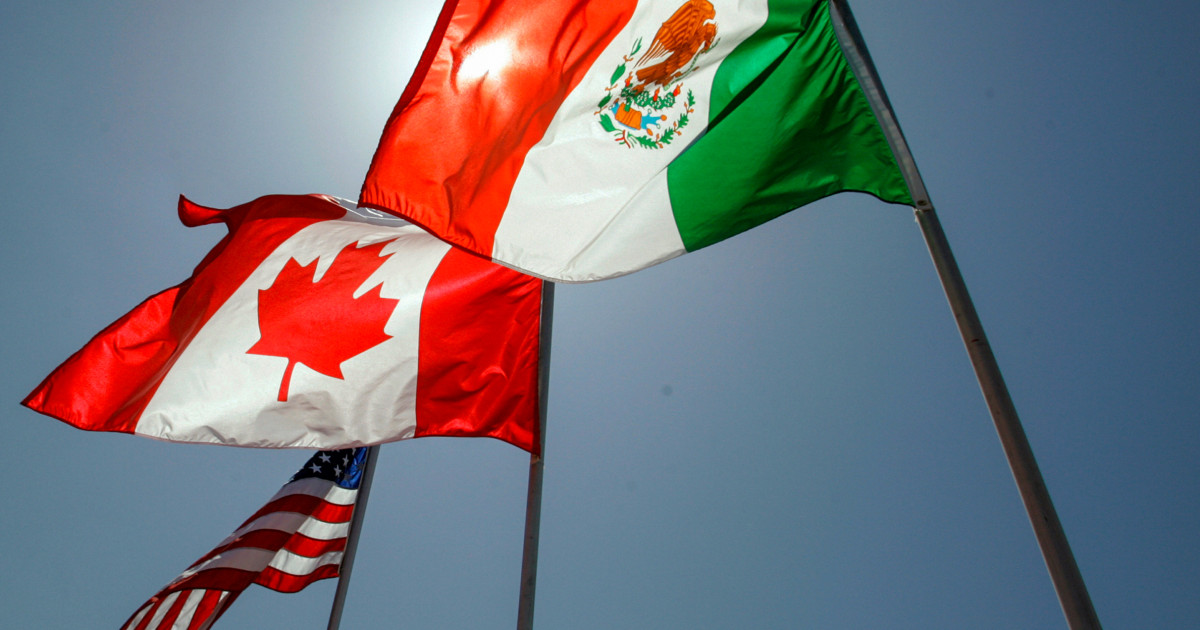
The United States government has formally signaled that it will not renew the United States-Mexico-Canada Agreement (USMCA), a move that introduces significant uncertainty into the future of North American trade relations. According to reports from multiple outlets, the decision opens the door for negotiations with Canada and Mexico, forcing the three signatory nations into a new round of high-stakes negotiations to define their economic partnership moving forward.
This development marks a departure from the previous expectation that the agreement would continue on its current trajectory without major structural overhauls. The USMCA replaced the North American Free Trade Agreement (NAFTA) in 2020. By opting against renewal, the administration is effectively putting the framework on the table for renegotiation, according to statements monitored by international trade observers.
The Mechanics of the USMCA Sunset Clause
The current administration’s decision not to pursue a renewal at this juncture triggers a requirement for negotiations. These meetings allow the parties to address specific grievances or economic imbalances, but they also serve as a mechanism for potential termination if consensus cannot be reached.
The decision to bypass renewal serves as a tactical lever, allowing the U.S. to demand concessions from Canada and Mexico on specific trade issues. Official documentation regarding the USMCA’s legal framework can be found through the Office of the United States Trade Representative. By declining the renewal, the U.S. is signaling that the status quo is no longer sufficient to meet its current domestic economic objectives.
Economic Implications for North American Industry
The North American trade corridor remains one of the largest integrated economies in the world. Supply chains in the automotive, agricultural, and technology sectors are deeply intertwined. Industry analysts suggest that the uncertainty surrounding the agreement’s future could lead to a slowdown in foreign direct investment, as businesses wait for clarity on future tariff structures and regulatory requirements.

Automotive manufacturers are particularly sensitive to these shifts. The agreement requires that a high percentage of vehicle components be produced within North America to qualify for duty-free status. Changes to these “rules of origin” or the potential threat of tariffs on non-compliant goods could force manufacturers to reorganize supply chains, which are currently optimized for the existing USMCA standards. According to the U.S. Census Bureau, Canada and Mexico remain the top trading partners for the United States, underscoring the high stakes involved in these negotiations.
What Happens Next in Trade Negotiations
With the decision not to renew the agreement in its current form, the next phase of the process involves a series of bilateral and trilateral discussions. These talks are expected to focus on addressing perceived trade deficits and ensuring that the agreement serves the interests of domestic manufacturing sectors. Government officials from Canada and Mexico have not yet issued a formal public counter-proposal, though representatives from both nations have previously emphasized the importance of regional stability for their respective economies.
The next confirmed checkpoint for this process will be the upcoming ministerial-level trade sessions, where the parties are expected to outline their specific priorities for the next iteration of the deal. These meetings will be essential in determining whether the three nations can reach a consensus on a modernized agreement or if they will move toward a fragmented trade landscape. As the situation develops, stakeholders are encouraged to monitor updates from the U.S.

The shift in policy represents a fundamental change in how the United States views its regional trade commitments. Whether this leads to a more favorable deal for U.S. interests or creates lasting volatility in global markets remains a subject of intense debate among economists and policy experts. Further details regarding the official posture of the administration will be provided in forthcoming cabinet-level briefings.
This is a developing story. Please check back for further updates as official statements are released by the relevant trade authorities. Feel free to share your thoughts on the potential impact of these trade shifts in the comments section below.