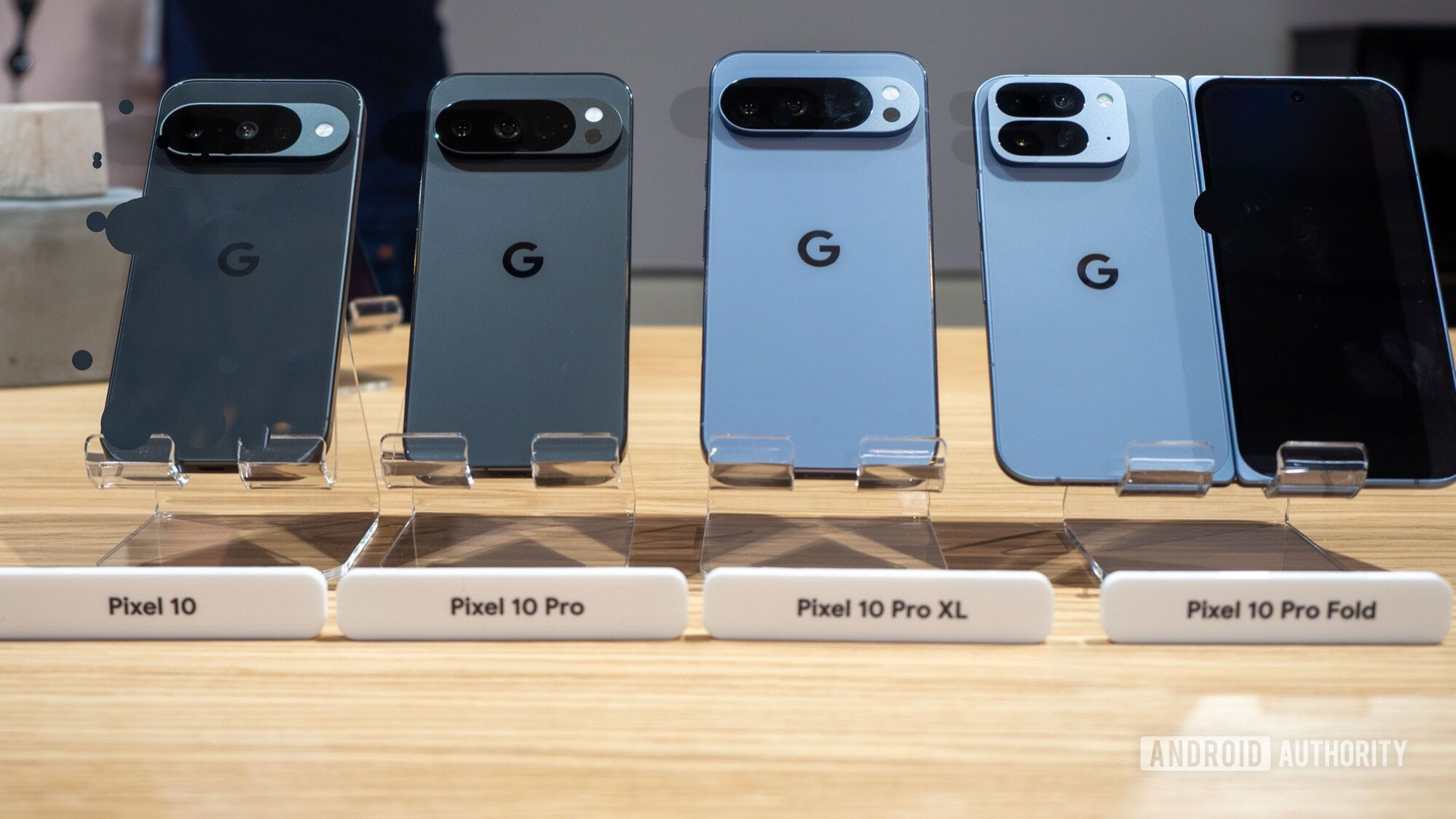
Consumers looking for a new smartphone under a €600 budget face a complex landscape as they weigh the performance of current flagship models against the anticipated arrival of next-generation hardware. Determining whether to invest in a proven device like the Google Pixel 8 Pro or wait for the release of the Google Pixel 10 requires balancing immediate needs for camera quality and processing power against long-term software support cycles and price depreciation.
For users prioritizing value, the current market offers significant discounts on high-end hardware. According to Google’s official store specifications, the Pixel 8 Pro, released in October 2023, features the Tensor G3 chip and a sophisticated triple-camera system. Meanwhile, the Google Pixel 10 is not yet available for retail purchase, with industry analysts projecting a launch window in the second half of 2025 based on Google’s historical release cadence for the Pixel series, as noted by Reuters technology reporting.
Evaluating the Google Pixel 8 Pro Performance
The Google Pixel 8 Pro remains a competitive option for those needing a device today. Its camera system, which includes a 50MP main sensor and a 48MP telephoto lens, provides industry-leading computational photography capabilities. As detailed in the technical specifications provided by Google, the device benefits from seven years of guaranteed software and security updates, extending its functional lifespan through 2030.
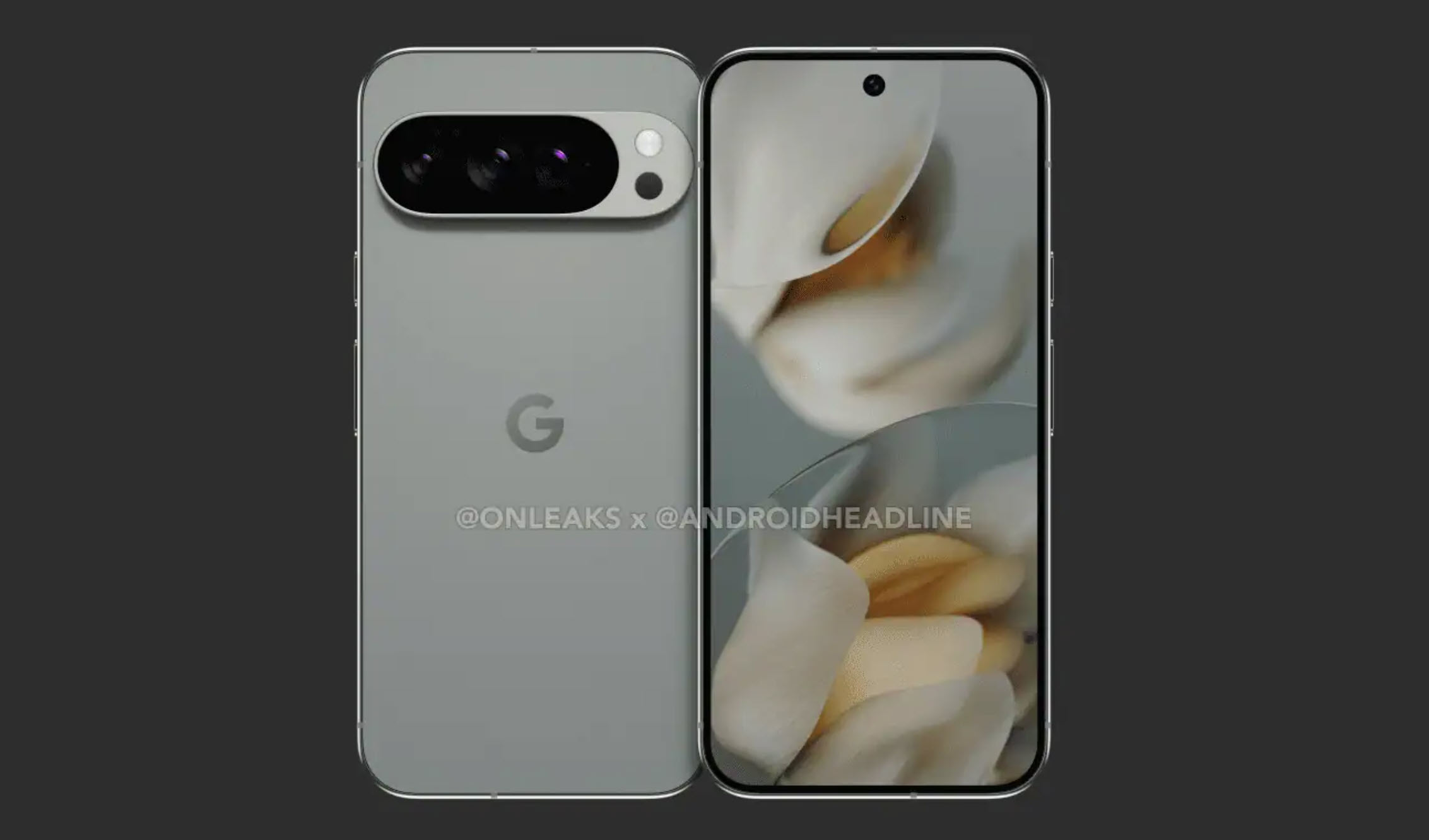
Choosing between an existing flagship and a future release often comes down to the necessity of immediate hardware upgrades. If a current device is non-functional, waiting for the Pixel 10 may not be a practical strategy. Conversely, if the user’s current handset is functional, the depreciation curve of the Pixel 8 Pro suggests that prices for the current model will likely decrease further as the next iteration approaches its market debut.
What to Expect from Future Pixel Hardware
While official details regarding the Pixel 10 are limited, industry expectations focus on the evolution of the Tensor processing unit. Google’s commitment to integrating artificial intelligence across the Android ecosystem suggests that future hardware will prioritize on-device machine learning capabilities. According to reports from The Verge, the focus for upcoming Google silicon is expected to center on thermal efficiency and battery optimization, two areas where previous Tensor iterations have faced consumer scrutiny.

For buyers with a €600 limit, purchasing the latest flagship at launch is rarely feasible. Flagship models typically debut at price points exceeding €800 or €900. Consumers on a strict budget often find the best value in purchasing a previous-generation flagship once the new model has been on the market for several months, as retailers move to clear inventory.
Comparative Analysis: Hardware vs. Timing
The decision-making process for smartphone upgrades involves three primary variables: the current state of software support, camera sensor technology, and total cost of ownership. The following table outlines the current status of the Pixel 8 Pro compared to market expectations for the upcoming series.
| Feature | Google Pixel 8 Pro | Google Pixel 10 (Projected) |
|---|---|---|
| Status | Available Now | Expected 2025 |
| Processor | Google Tensor G3 | Future Tensor Generation |
| Support End | 2030 | TBD (Expected 2032+) |
The primary advantage of the Pixel 8 Pro is its immediate availability and established performance benchmarks. Verified reviews from outlets such as WIRED highlight the device’s proficiency in low-light photography and its integration with Google’s AI-driven photo editing tools, such as Magic Editor. For a user whose primary requirement is camera performance, the Pixel 8 Pro provides a verified, high-quality experience that is currently available below its original launch price.
Strategic Considerations for Smartphone Buyers
Budget-conscious consumers should monitor official carrier promotions and authorized retailer discounts. Often, retailers provide trade-in incentives that can bring the cost of a high-end device under the €600 threshold. It is essential to verify the terms of any trade-in program directly through the retailer to ensure the final price meets your budgetary requirements.
The next major milestone for the product line will be the official announcement of the next-generation hardware, which typically occurs during the annual Made by Google event. Until that date, the Pixel 8 Pro remains the most reliable choice for users seeking flagship-level features within a mid-range budget. We encourage readers to share their own experiences with Pixel camera performance in the comments below, or join the conversation by sharing this analysis with others currently weighing their next mobile purchase.
Keep reading