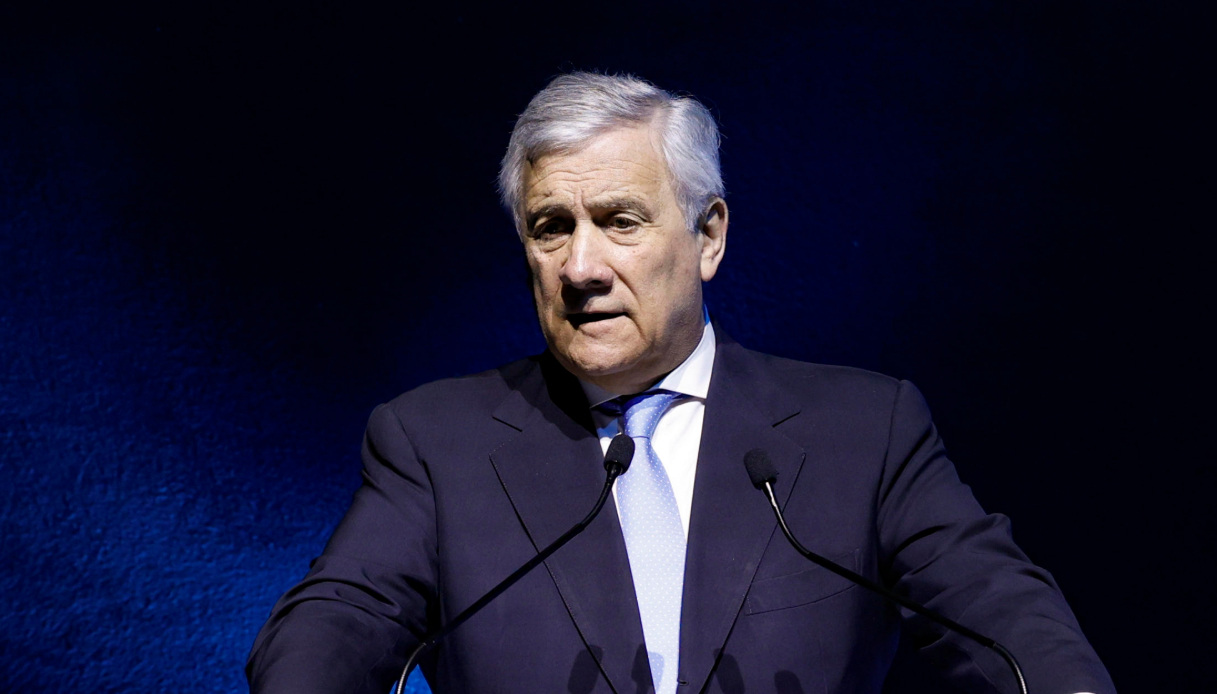
Italian Deputy Prime Minister and Minister of Foreign Affairs Antonio Tajani has addressed ongoing speculation regarding the possibility of early national elections, stating that while the government remains focused on its current mandate, the scenario cannot be categorically excluded. The discussion surrounding the 2027 parliamentary elections has intensified in recent weeks, driven by internal debates within the governing coalition regarding legislative priorities and the stability of the executive led by Prime Minister Giorgia Meloni.
The prospect of a return to the polls has been a subject of political discourse as coalition partners weigh the timing of major policy implementations. While some factions have signaled openness to electoral maneuvers, key government figures have emphasized that constitutional and administrative reforms must take precedence over early voting cycles. According to the official portal of the Italian Government, the current legislature is tasked with a broad agenda of structural reforms, leaving the timeline for future electoral processes subject to the ongoing stability of the parliamentary majority.
The Debate Over Legislative Priorities
A primary point of contention within the coalition involves the implementation of “Autonomia Differenziata,” or differentiated autonomy, which allows regions to request more powers from the central state. Minister of Economy Giancarlo Giorgetti has publicly pushed back against suggestions of an early election, specifically dismissing the notion of a vote in April. According to statements reported by La Repubblica, Giorgetti has framed the autonomy reform as the government’s essential priority, suggesting that completing this legislative objective is a prerequisite for any further political considerations.
This stance highlights a strategic divergence within the executive. While some political actors view a snap election as a potential tool to consolidate power or respond to shifting voter sentiment, the economic cabinet appears focused on maintaining market stability and finishing the legislative program established at the start of the term. The focus on regional autonomy is part of a wider effort to fulfill campaign promises made by the Lega party, which remains a core component of the current administrative coalition.
Political Dynamics and Coalition Stability
The internal atmosphere among coalition partners has been described by government officials as “effervescent,” reflecting the high-stakes negotiations required to keep the alliance aligned on both domestic and international policy. The potential for early elections is often tied to the government’s performance in regional contests and its ability to manage public expectations regarding economic growth and defense spending. As noted in reports from La Stampa, the government is currently navigating a complex environment characterized by fluctuating approval ratings and persistent pressure from opposition parties.
The stability of the Meloni cabinet remains a critical factor for international observers and European partners. The Italian Constitution provides the President of the Republic, currently Sergio Mattarella, with the authority to dissolve Parliament, an action typically reserved for instances where a stable majority can no longer be formed. Under the Constitution of the Italian Republic, the regular expiration of the legislative term is scheduled for 2027, and any deviation from this timeline would require significant political upheaval or a formal request from the Prime Minister to the Head of State.
What Happens Next?
The immediate focus for the government remains the passage of the national budget and the advancement of the Autonomia Differenziata framework. Observers are looking toward the next session of the Council of Ministers for updates on the legislative calendar. There is no scheduled date for an early dissolution of Parliament, and official communications from the Palazzo Chigi continue to emphasize the government’s commitment to serving the full five-year term ending in 2027.
For those tracking the progress of these reforms, official documentation and transcripts of ministerial briefings are published regularly on the official website of the Italian Council of Ministers. As the political landscape continues to evolve, the public is encouraged to monitor official government announcements for any changes to the parliamentary schedule. Please share your thoughts on the current political trajectory in the comments section below.
- Slovenia Electric Vehicle Subsidies Projected to Run Out by August
- Maine Lifeguard Dragged Underwater by Great White Shark at Scarborough Beach
- Netanyahu Rejects Trump’s Gaza Plan: No Hamas Disarmament or Israeli Withdrawal (archyworldys.com)
- Europe Wildfire Crisis Shifts East to Greece and Italy Amid Heatwaves (archynewsy.com)