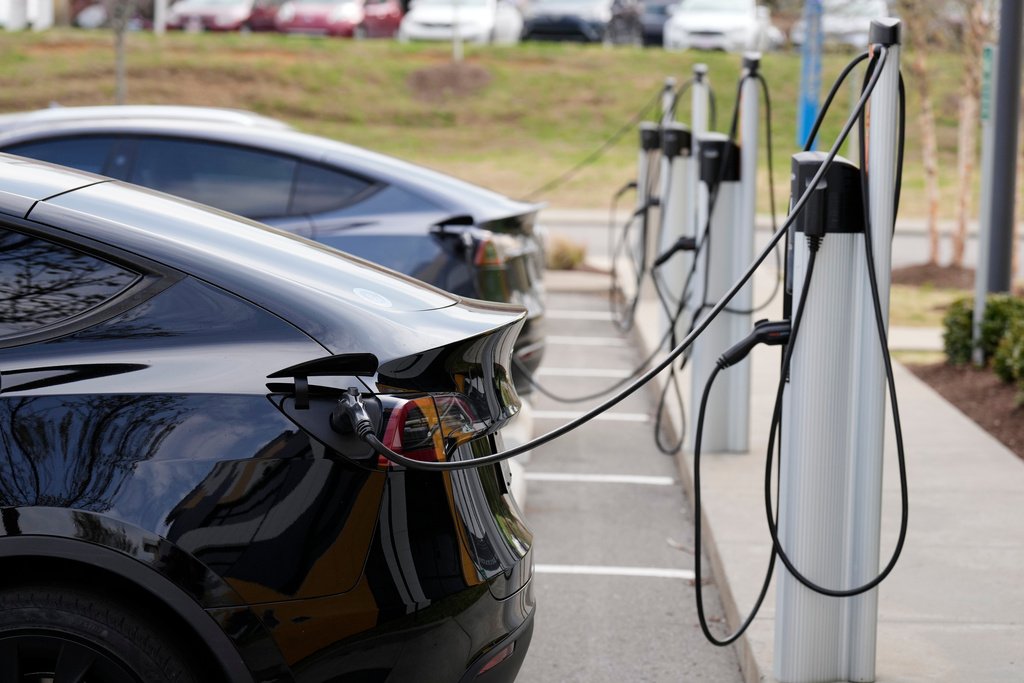
State-backed electric vehicle subsidies in Slovenia are depleting rapidly, with officials warning funds could run dry by the second half of August 2026.
A surge in consumer demand for electric vehicles has caught both buyers and program administrators off guard in Slovenia. State-backed incentives administered through Borzen have been drawn down at an unprecedented pace, leaving the current public call on the verge of total exhaustion by the second half of August.
The financial strain on the program became apparent as available reserves evaporated.
Surging Sales and Depleted Climate Funds
The root of the funding crisis lies in a dramatic acceleration of the domestic EV market. Registrations for new electric passenger cars reached 7.554 vehicles through the end of July, representing a 133 percent increase compared to the 3.231 registrations recorded during the same period last year, according to data from the Vehicle Section at the Chamber of Commerce and Industry of Slovenia.
Electric vehicles now account for 18.5 percent of the total gross automotive market in Slovenia for the first seven months of the year, with monthly market penetration climbing to 26 percent in July. Instead, high interest and continuous volume have compressed that multiyear timeline into a matter of months.
The Ministry of Infrastructure and Energy stated via Siol.net that given the amount of funding, the resources should have been sufficient until the end of 2026, but they would be used up significantly sooner due to exceptionally high interest in the subsidized purchase of e-vehicles, adding that the ministry has no influence on the rate at which funds are consumed in open public calls, meaning those calls remain open until the funds are exhausted.
Ministry representatives noted that no additional funds remain within the Climate Fund to expand the current open call, as resources designated for electric vehicles across the 2026–2028 window have already been fully committed.
Delivery Backlogs Trap Buyers Waiting for Subsidies
The strict mechanics of the subsidy program have created severe uncertainty for consumers who have already purchased vehicles but are still waiting on manufacturer deliveries. Under the rules governed by Borzen, grants are awarded on a strict prvi pride, prvi melje
basis—meaning first come, first served—and qualification requires the automobile to be physically delivered, parked at home, and officially registered before an application can be filed.
State Secretary at the Ministry of Infrastructure and Energy Marko Dvornik addressed the bottleneck in an interview, acknowledging that multi-month shipping delays have trapped numerous buyers.
Marko Dvornik, State Secretary at the Ministry of Infrastructure and Energy, explained that naturally, problems arise for those with long waiting times because the tender condition essentially requires the car to be at home in the parking lot and registered, meaning that if someone has a three- or four-month delivery time, they can only submit their subsidy application at that point.
While applicants who have already submitted paperwork or complete submissions in the immediate window are expected to receive their grants, those facing extended delivery times risk missing out entirely if the pool empties before registration. Dealerships and importers warn that state incentives cannot be easily substituted with private manufacturer discounts, leaving buyers in the lower-cost vehicle segments particularly vulnerable.
Market Impact Across Affordable Models and Brands
The impending pause in subsidies arrives just as automotive brands prepare to introduce lower-cost electric models for the autumn season. Affordable entries such as the Renault Twingo, which recorded 417 registrations out of nearly a thousand sold locally, face a disrupted market landscape. Other high-volume and upcoming models shaping the Slovenian roads are detailed below.
| Electric Model | 2026 Registrations (Through July) |
|---|---|
| Tesla Model 3 | 862 |
| Leapmotor T03 | 447 |
| Renault Twingo | 417 |
| Tesla Model Y | 407 |
| Škoda Elroq | 336 |
| Volkswagen ID.7 | 322 |
Brands including Volkswagen and Škoda are scheduled to release additional accessible electric options in the autumn, such as the volkswagen ID.polo, volkswagen ID.cross, and škoda epiq, while importers note that some consumers have already cancelled pending contracts amid the funding uncertainty.
Broader Transit Policy and Future State Funding
Looking beyond the immediate exhaustion of the incentive pool, ministry leadership suggests that future public spending should pivot away from individual vehicle subsidies and toward collective infrastructure. Dvornik pointed out that public policy frameworks, including the National Energy and Climate Plan (NEPN), consistently highlight lagging performance in public passenger transport.
Marko Dvornik, State Secretary at the Ministry of Infrastructure and Energy, noted that even looking at transport policy, transport strategy, or the NEPN, it is mentioned everywhere that Slovenia is lagging behind in public passenger transport, and he expressed his belief that public money must be managed very responsibly and allocated to things that benefit the wide masses rather than being individualized like this program.
With Slovenia’s overall motorization rate remaining high and the average age of vehicles on national roads climbing toward 14 years—up from roughly six years a decade and a half ago—officials argue that continued direct subsidies for private car ownership risk missing broader systemic goals. The ministry asserts that future fiscal planning must prioritize public transit networks and vulnerable populations rather than individual automotive purchases once the current financial cycle concludes.
Worth a look