
Google’s upcoming Android 17 update is bringing a bold new era for emoji—3D redesigns that promise richer expressions and deeper customization. Leaked images and early developer previews reveal a visual overhaul that transforms flat, two-dimensional icons into dynamic, volumetric characters. While official details remain scarce, the changes hint at a more immersive messaging experience, particularly for Google Pixel users. Here’s what we know so far about the redesign, its technical underpinnings, and what it means for Android’s future.
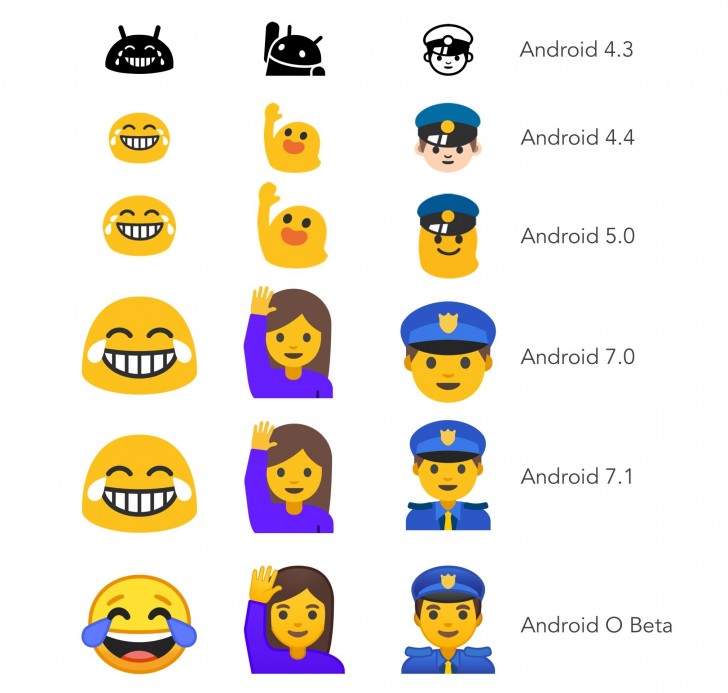
Earlier this month, Google teased a first glimpse of its revamped emoji library, showcasing a handful of redesigned characters with depth and shadow effects. Now, additional leaks—shared by developers and early adopters—provide a closer look at the full scope of changes. These 3D emoji aren’t just aesthetic upgrades; they’re built on advanced rendering techniques that adapt to device hardware, ensuring smoother animations and better integration with Android’s evolving UI. The redesign aligns with broader industry trends toward three-dimensional visuals, from Apple’s animated emoji to social media platforms experimenting with depth effects.
Why this matters: Emoji have become a universal language, but their flat designs can feel stale in an era of high-resolution displays and AR/VR experimentation. Google’s 3D push could set a new standard for digital communication, offering users more expressive, interactive, and visually engaging ways to convey emotion. For Pixel owners, this update arrives at a pivotal moment—Android 17 is expected to introduce other major UI refinements, and the emoji overhaul may serve as a preview of Google’s long-term vision for visual communication.
Key Takeaways
- 3D depth and shadows: Emoji will feature volumetric rendering with dynamic lighting, creating more lifelike appearances.
- Hardware-optimized: Designs adapt to device capabilities, ensuring smooth animations even on mid-range hardware.
- Android 17 exclusive: The update is currently confirmed for Pixel devices, with potential broader rollout to non-Google Android phones.
- Customization potential: Leaks suggest users may soon adjust emoji skin tones, accessories, or even facial expressions.
- Industry-wide impact: Google’s move could pressure competitors like Apple and Samsung to accelerate their own 3D emoji plans.
What the Leaked 3D Emoji Look Like
The most striking change is the addition of depth. Unlike traditional emoji, which are flat silhouettes, the new designs incorporate shadows, highlights, and subtle gradients to create the illusion of three-dimensionality. For example, the leaked “grinning face with smiling eyes” emoji now casts a shadow beneath its chin, while the “heart eyes” emoji features a soft glow around its pupils. These details aren’t just cosmetic—they’re designed to work dynamically with device lighting and ambient conditions.
Developers testing the update report that emoji animations are significantly smoother, with transitions between expressions (e.g., a wink or a blush) rendered in real time. Here’s made possible by Android 17’s improved graphics pipeline, which Google has been teasing since its developer preview announcements. The company has emphasized that these changes are optimized for both high-end Pixel devices and older models, though the level of detail may vary.
How the 3D Emoji Work Technically
Under the hood, Google’s 3D emoji rely on a combination of Android’s new rendering APIs and pre-computed lighting models. Unlike fully dynamic 3D characters (which require real-time ray tracing), these emoji use baked-in shadows and textures to simulate depth without taxing device resources. This approach ensures compatibility across a wide range of Android hardware, from flagship Pixels to budget-friendly devices.
One of the most intriguing aspects of the leak is the suggestion that users may soon be able to customize emoji beyond basic skin tones. Early screenshots show emoji with interchangeable accessories (e.g., hats, glasses) and even subtle facial expressions that can be toggled via long-press menus. While this functionality isn’t confirmed, it aligns with Google’s recent push toward personalized AI interactions, where visual elements adapt to user preferences.
Who Gets the Update—and When?
As of now, the 3D emoji redesign is confirmed for Google Pixel phones running Android 17. The update is expected to roll out in phases, with early access likely for Pixel 8 and Pixel 8 Pro users in the coming weeks. Non-Pixel Android devices may receive the update later, depending on manufacturer support and Android version compatibility.
Google has not yet announced a global release timeline, but leaks suggest the update could arrive as early as late June 2026, coinciding with Android 17’s broader rollout. For context, Android 17’s developer preview began in March 2026, and the final consumer version is anticipated in Q3. Users can expect to see these emoji in messaging apps like Messages, Gboard, and third-party platforms that support Google’s emoji library.
Industry Reactions and What’s Next
The leak has sparked speculation about whether Google’s move will push competitors to accelerate their own 3D emoji projects. Apple, for instance, has already experimented with animated emoji in iOS, but its designs remain two-dimensional. Samsung and Huawei have also been exploring similar upgrades, though none have announced concrete plans. Analysts suggest Google’s early adoption could set a new benchmark for emoji design, much like its leadership in AI-driven features.
For users, the biggest question is whether the 3D emoji will extend beyond static displays. Some leaks hint at interactive elements, such as emoji that react to device motion (e.g., a “dancing” emoji that tilts with the phone) or AR-compatible designs that can be viewed in augmented reality. While these features aren’t confirmed, they align with Google’s broader investments in AR/VR technology.
How to Prepare for the Update
If you’re eager to try the new 3D emoji, here’s what you can do now:
- Update to Android 17: Enroll in the Android Beta Program to test the update early.
- Check device compatibility: The update is confirmed for Pixel devices; other brands may follow later.
- Explore Gboard settings: Google’s keyboard app will likely lead the integration, so familiarize yourself with its customization options.
- Follow Google’s official channels: For the latest news, monitor Google’s official blog and the @google Twitter account.
What’s Next for Google’s Emoji
The Android 17 update isn’t the end of the line for Google’s emoji ambitions. Rumors persist about even more advanced features, including:
- Emoji that change based on time of day or weather (e.g., a “sunny” or “rainy” variation of the same face).
- Collaborative emoji creation tools, allowing users to design and share custom 3D characters.
- Integration with Google Assistant for voice-activated emoji selection.
Google has historically been cautious about overpromising emoji features, so while these ideas are speculative, they reflect broader trends in digital communication. For now, the focus remains on the Android 17 rollout, which promises to bring these 3D designs to millions of users worldwide.
What do you think of Google’s 3D emoji? Will this change how you communicate, or are you sticking with the classics? Share your thoughts in the comments below, and don’t forget to follow World Today Journal for the latest updates on Android 17 and beyond.