
In a tragic incident that has prompted widespread scrutiny of public transportation safety in Thailand, a collision between a freight train and a bus occurred in Chachoengsao province. The accident, which took place in October 2020, resulted in significant loss of life and injuries, sparking a formal investigation into the circumstances surrounding the crash. Authorities have since examined various factors, including the operational conduct of the railway staff involved, as part of the broader effort to prevent future transit disasters in the region.
The collision involved a freight train traveling from the Laem Chabang port area and a bus carrying passengers to a funeral ceremony in a neighboring district. According to reports from the State Railway of Thailand and local police, the incident occurred at an unmanned railway crossing in the Khlong Khuean district. The aftermath of the event necessitated a comprehensive review of safety protocols at non-signaled crossings, which remain a persistent challenge for railway infrastructure management across the country.
Investigation into Operational Conduct
Following the collision, investigations focused on both the infrastructure of the crossing and the human factors involved in the train’s operation. While initial public discourse often centered on the lack of automated barriers at the site, officials also conducted routine health and conduct screenings for the crew members involved. It is a standard procedure for the State Railway of Thailand to perform toxicology screenings on personnel following major accidents to ensure adherence to safety regulations and workplace policies.
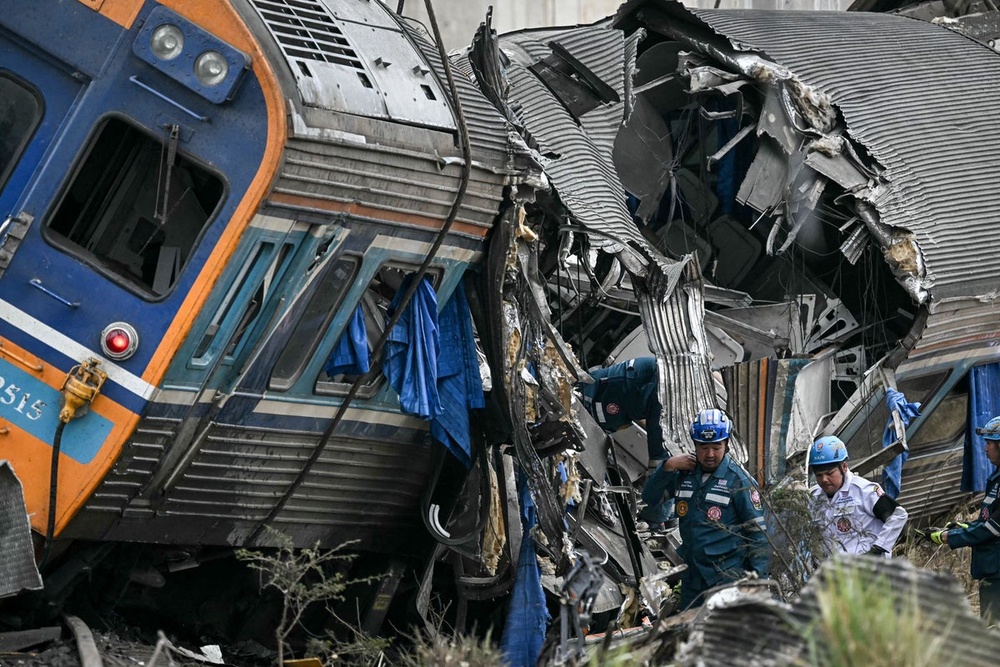
In the wake of the incident, officials confirmed that the train driver underwent testing for prohibited substances. These screenings, conducted by law enforcement and medical examiners, are part of the legal requirements under the Thai Railway Act, which mandates strict operational standards for those responsible for public transport vehicles. The findings from these tests were integrated into the official police report to determine if impairment played a role in the operational decisions made leading up to the impact.
Safety Challenges at Unmanned Crossings
The tragedy in Chachoengsao highlighted the ongoing risks associated with hundreds of unmanned rail crossings throughout Thailand. The Ministry of Transport has acknowledged that while major upgrades are underway, the sheer number of informal crossings presents a logistical and financial hurdle for the national rail network. Safety advocates have long called for the installation of more signaling equipment and physical barriers to mitigate the risks faced by motorists in rural areas.

For commuters and travelers, the accident serves as a stark reminder of the importance of vigilance at railway intersections. The government has encouraged drivers to adhere strictly to warning signs and to exercise extreme caution when navigating crossings that lack automated gates. Further information regarding the status of railway safety improvements can be found through the Ministry of Transport’s official portal, which provides updates on infrastructure projects and public safety advisories.
Moving Toward Enhanced Transit Security
The legal proceedings following the Chachoengsao collision underscored the necessity of accountability in public transit. As the judicial process continues, the focus remains on ensuring that all railway personnel comply with national safety standards. The incident has also spurred a national conversation regarding the broader integration of technology, such as automated detection systems and enhanced surveillance, to monitor high-risk crossings in real-time.
Looking ahead, the State Railway of Thailand is expected to release further updates regarding the final outcomes of the investigations into the 2020 incident. The commitment to improving safety measures, including stricter enforcement of substance-free workplace policies and the physical modernization of crossings, remains a priority for the transport sector. We will continue to monitor official government filings and judicial statements to provide our readers with the most accurate developments as they become available.
If you have thoughts on how public transportation safety can be improved or wish to share information regarding upcoming safety hearings, please feel free to contribute to the discussion in the comments section below.
Keep reading