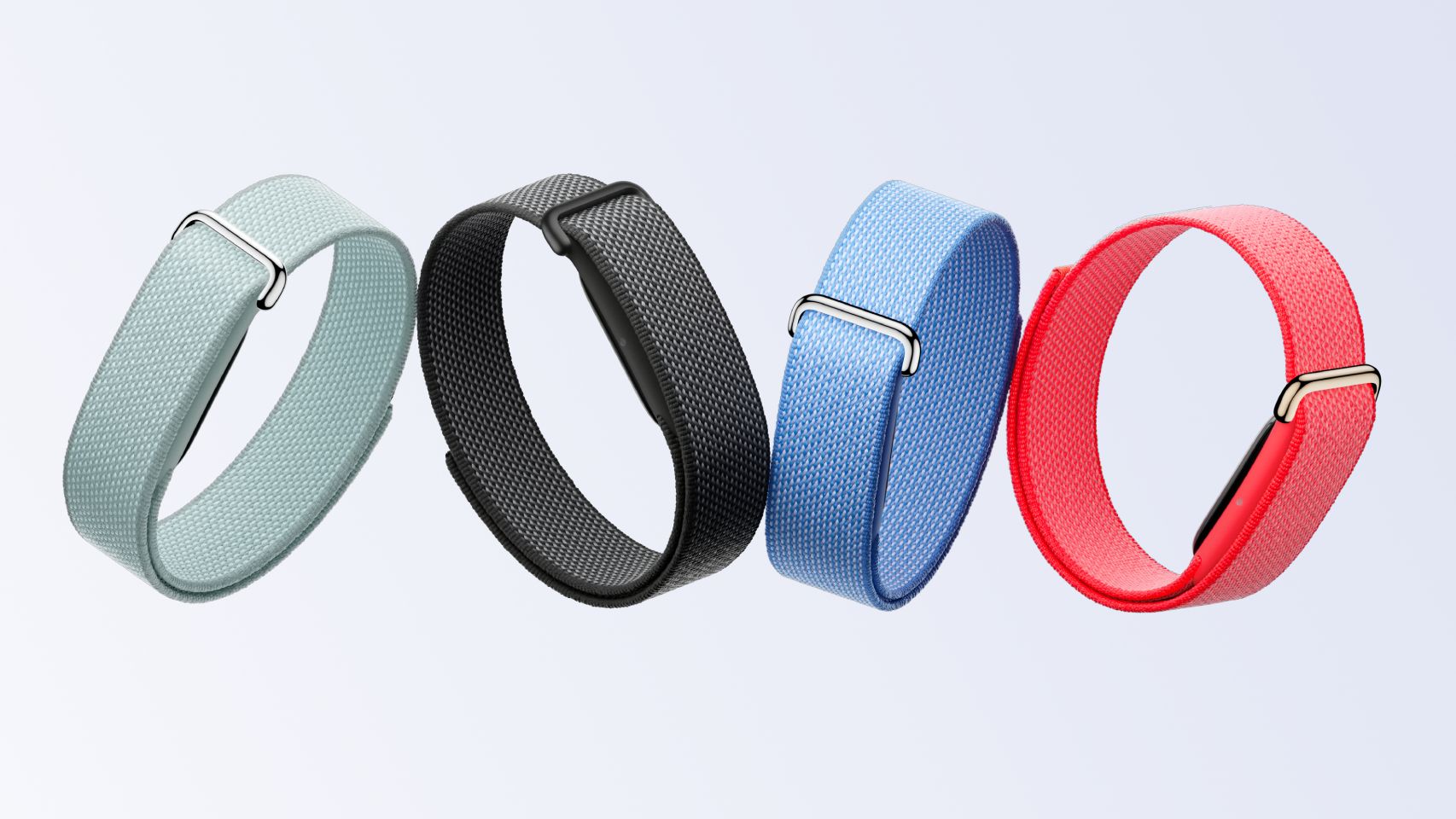
Google has officially released the technical specifications and design files required for users to create their own custom watch bands for the new Fitbit Air using 3D printing technology. This move signals a significant shift in how consumer electronics companies approach device customization, moving away from closed, proprietary accessory ecosystems toward a model that encourages user-driven manufacturing and personal repairability.
By providing the necessary geometry and interface data, the company is enabling owners of the Fitbit Air to leverage additive manufacturing to produce bands that fit their specific needs, whether for aesthetic preference or ergonomic comfort. This development reflects a growing trend in the tech industry where manufacturers provide the blueprints for physical components, allowing the community to take an active role in the product lifecycle.
Understanding the 3D Printing Initiative for Fitbit Air
The release of these design documents allows individuals with access to a 3D printer to fabricate custom bands that interface directly with the Fitbit Air’s proprietary attachment points. According to official company communications, the goal is to provide enough structural data so that users can print durable, functional accessories without needing to rely solely on first-party retail options.
For those interested in the technical aspects, the files include the specific dimensions of the connection lugs. This is essential, as the tolerance for wearable devices must be precise to ensure the tracker remains secure on the wrist while maintaining comfort during movement. By opening these specifications, Google is effectively standardizing the interface for the Fitbit Air, creating a roadmap for third-party designers and hobbyists to contribute to the device’s accessory ecosystem.
Why Open-Source Design Matters for Wearables
This approach addresses one of the most common frustrations for smartwatch owners: the limited availability and high cost of replacement bands. Historically, wearable manufacturers have controlled the accessory market, limiting consumer choice to a handful of colors or materials. By contrast, the decision to publish these files democratizes the process, allowing for the use of flexible filaments, custom textures, and personalized designs that are often impossible to mass-produce in a traditional factory setting.
Furthermore, this development aligns with broader industry discussions regarding sustainability and the right to repair. When users can print a new band at home, they extend the functional life of their hardware and reduce the environmental impact associated with shipping and packaging small, mass-produced plastic components. It represents a practical application of digital manufacturing in the consumer space, where the barrier to entry is lowered as high-quality 3D printing becomes more accessible for home use.
How to Access and Utilize the Specifications
Users looking to get started with their own designs can find the relevant documentation through the official Google hardware portal. The files are provided in standard formats compatible with most CAD software, allowing users to either print existing designs or modify them to suit their unique wrist size or activity requirements. The company has structured these resources to be accessible to both experienced engineers and those new to the world of additive manufacturing.
For those who do not own a 3D printer, the availability of these open files also means that local “maker spaces” or third-party 3D printing services can now produce these bands on demand. This creates a decentralized supply chain where the consumer is no longer dependent on a single manufacturer’s inventory levels or shipping logistics to keep their device functional.
What Comes Next for Fitbit Customization
As of June 6, 2026, the industry is closely monitoring how this move affects the broader wearable market. If the adoption of these 3D-printable designs proves successful, it may pressure other major tech firms to follow suit, potentially leading to a more open standard for wearable attachments across different brands. The next phase of this initiative will likely involve community-driven forums where users share their custom print settings, material recommendations, and design modifications to improve the durability and comfort of the bands.
We encourage readers to share their experiences with 3D printing their own accessories in the comments section below. As more documentation becomes available, we will continue to provide updates on how these design standards evolve and what they mean for the future of personalized technology.