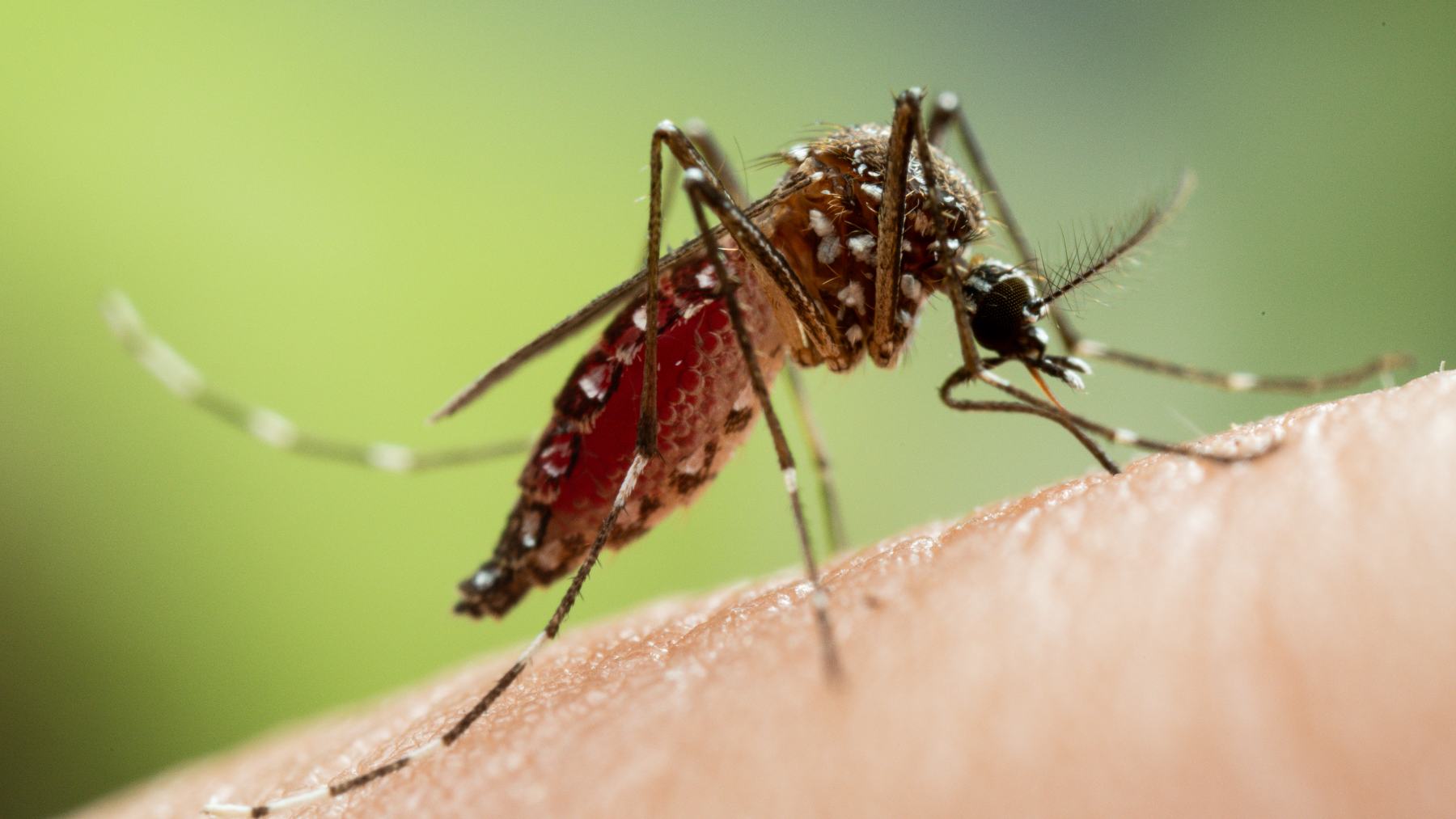
Alphabet subsidiary Verily Life Sciences is utilizing a biological control method involving Wolbachia-infected mosquitoes to reduce the transmission of vector-borne diseases like dengue, Zika, and chikungunya. This initiative, often referred to as the Debug project, involves the large-scale release of male mosquitoes that have been sterilized or rendered incapable of producing viable offspring when they mate with wild females, a strategy scientifically validated by the World Mosquito Program to suppress local mosquito populations.
As a physician and health journalist, I often encounter questions regarding the safety and efficacy of such biological interventions. While the scale of these releases—sometimes involving millions of insects—can sound alarming, the methodology is rooted in established principles of entomology and public health. The focus is specifically on the Aedes aegypti mosquito, a primary carrier of several viral diseases that pose significant global health challenges.
How the Wolbachia Biological Control Method Functions
The core of this strategy relies on the bacterium Wolbachia pipientis, a naturally occurring microorganism found in about 60% of all insect species. According to researchers at the Centers for Disease Control and Prevention (CDC), when Aedes aegypti mosquitoes are infected with specific strains of Wolbachia, it significantly inhibits their ability to transmit viruses to humans. Furthermore, when male mosquitoes carrying Wolbachia mate with wild females that do not carry the bacteria, the resulting eggs do not hatch, leading to a population decline in the subsequent generation.
This process, known as the Incompatible Insect Technique (IIT), is highly targeted. Because male mosquitoes do not bite or feed on blood, the release of millions of these insects does not increase the risk of disease transmission or human annoyance. The goal is to suppress the population density of the vector species, thereby reducing the probability of human exposure to infected bites.
The Role of Verily and Large-Scale Field Trials
Verily, the life sciences division of Alphabet, has conducted field trials in various international locations, including parts of California and Australia. These trials are designed to test the logistics of rearing, sorting, and releasing millions of mosquitoes. The Nature journal has reported on the technical complexities of these programs, noting that precision is required to ensure that only male mosquitoes are released, as the accidental release of females—which do bite—would be counterproductive to public health goals.
.png "The Role of Verily and Large-Scale Field Trials")
The scale of these releases is determined by the size of the target area and the density of the existing local mosquito population. By utilizing automated systems for sorting and aerial release, organizations can cover larger geographic areas more efficiently than manual methods allow. These projects are typically overseen by local health departments and environmental agencies to ensure compliance with regional biosafety regulations.
Addressing Safety Concerns and Public Perception
Public apprehension regarding the release of millions of mosquitoes is common, yet the scientific consensus remains largely supportive of Wolbachia-based interventions. The World Health Organization (WHO) recognizes vector control as a cornerstone of dengue prevention, emphasizing that integrated approaches—including environmental management and biological controls—are necessary to manage the rising global incidence of mosquito-borne illnesses.
The environmental impact of these releases is monitored closely. Because Wolbachia is already present in a vast majority of insect species, its introduction into specific mosquito populations is not considered an ecological risk to other wildlife or humans. The primary challenge for developers is not biological safety, but rather the scalability and long-term sustainability of the population suppression effect in diverse urban environments.
What Happens Next in Vector Control
As climate change expands the habitats suitable for Aedes aegypti, the demand for innovative vector control strategies will likely increase. The next phase for these programs involves transitioning from pilot studies to broader, sustained regional deployments. Researchers are currently focusing on improving the cost-efficiency of mosquito production and refining the release models to maximize the reduction of local disease transmission rates.

Regulatory bodies in countries where these releases are occurring continue to evaluate the data from ongoing field trials to determine the long-term viability of the technology. For residents in affected areas, official health department websites remain the most reliable source for information regarding local mosquito control programs, including schedules for releases and guidelines for individual protection against bites.
Have you encountered mosquito control programs in your area, or do you have questions about emerging public health technologies? Please share your thoughts in the comments section below.
- Does AI Hinder Learning? How Guided AI Tools Can Preserve Human Skills
- The Dangers of AI Fitness Coaches: Injuries and Body Dysmorphia Risks
- Wolbachia Method: New Technology to Fight Dengue Expands in Brazil (archyde.com)
- Google AI Overviews: Impact on Publishers and the AI Opt-Out Dilemma (archynewsy.com)