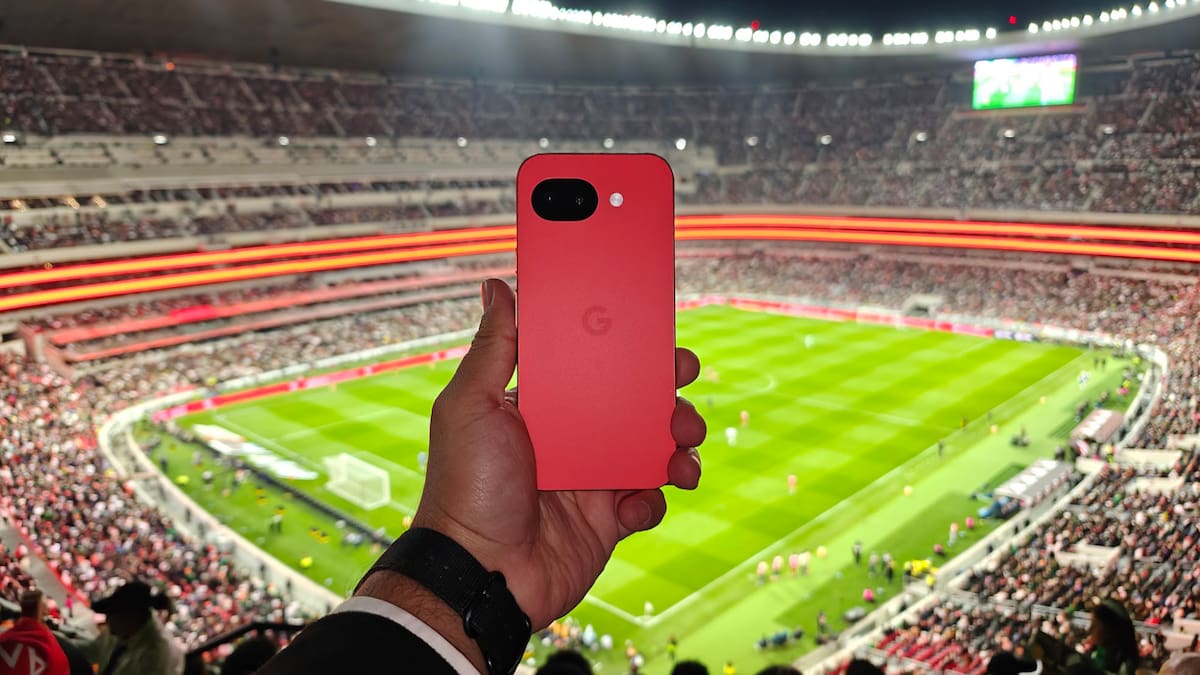
The release of the Google Pixel 10a marks a pivotal moment in the evolution of mid-range smartphones, positioning itself as a benchmark for how artificial intelligence should be integrated into accessible hardware. By balancing cost with high-end utility, Google aims to democratize the AI-driven experience that was previously reserved for flagship devices.
This Google Pixel 10a analysis reveals a device designed for efficiency and stability. With a retail price of $499, as reported by SQ Magazine, the device targets users who prioritize intelligent software and a smooth interface over the raw, cutting-edge power of a “Pro” model.
The Pixel 10a arrives during a transition period for Google’s silicon. While it leverages the established Tensor G4 architecture, the industry is already seeing the potential of the next generation, creating an compelling dynamic for consumers deciding between current stability and future performance leaps.
Hardware Specifications and Display Performance
At the center of the Pixel 10a is a 6.3-inch pOLED display with a resolution of 1080 x 2424. The most significant upgrade for the a-series is the inclusion of a 120Hz refresh rate, ensuring that animations and scrolling remain fluid—a feature that brings the mid-range experience closer to the flagship standard SQ Magazine.
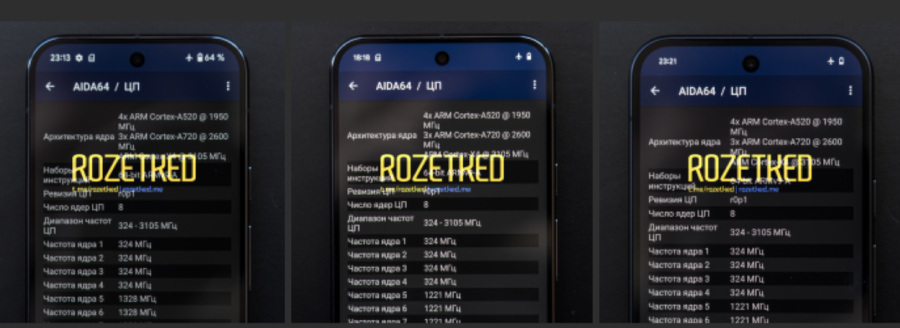
Under the hood, the device is powered by the Google Tensor G4 chip, supported by 8 GB of RAM and 128 GB of internal storage. This combination is tailored to handle the demands of modern applications and the background processing required for Google’s AI ecosystem without compromising battery efficiency.
The Tensor G4 vs. Tensor G5 Gap
While the Tensor G4 provides a reliable foundation for the Pixel 10a, early benchmarks for the succeeding Tensor G5 suggest a significant leap in raw power. According to TweakTown, the new Tensor G5 is benched as being up to 36% faster than the current-gen Tensor G4 chip. This performance delta highlights the Pixel 10a’s role not as a performance powerhouse, but as a refined tool for AI-driven productivity.
AI Integration and Android 16
The “ideal” use of AI in a smartphone is not about adding flashy, unnecessary features, but about seamless integration that solves real-world problems. The Pixel 10a achieves this by running Android 16, allowing for deeper system-level optimization of AI tasks.
By utilizing the Tensor G4, the Pixel 10a can process many AI functions locally, reducing latency and improving privacy. This approach moves away from the reliance on cloud-based processing, making the smartphone a more autonomous agent for the user. The synergy between Android 16 and the Tensor hardware allows for more intuitive predictive text, smarter voice recognition, and enhanced photo processing that feels natural rather than forced.
Market Positioning: Pixel 10a vs. Pixel 8a
When comparing the Pixel 10a to the Pixel 8a from two years prior, the evolution is evident in the refinement of the user experience. The transition to a 120Hz display and the jump in processor generations represent a steady climb in value Android Central.
| Feature | Pixel 10a | Pixel 8a (Context) |
|---|---|---|
| Processor | Tensor G4 | Older Generation Tensor |
| Display | 6.3″ pOLED 120Hz | Standard Refresh Rate |
| OS | Android 16 | Android 14/15 |
| Price | $499 | Comparable Mid-range |
Conclusion: The Mid-Range Standard
The Google Pixel 10a proves that high-end AI capabilities do not require a thousand-dollar price tag. By pairing the Tensor G4 with a high-refresh-rate display and the latest Android 16 software, Google has created a device that prioritizes the user’s daily interaction over theoretical peak performance.
For those seeking a balanced smartphone that excels in intelligence and fluidity, the Pixel 10a is a compelling choice. While the Tensor G5 promises a future of significantly higher speeds, the G4 remains more than capable of handling the AI-centric workflows of the average consumer.
The next major milestone for Google’s mobile ecosystem will be the official rollout of Tensor G5-powered devices, which will likely redefine the performance ceiling for the Pixel lineup.
Do you think $499 is the sweet spot for an AI-integrated smartphone, or is the performance gap between the G4 and G5 too wide to ignore? Share your thoughts in the comments below.
Worth a look