
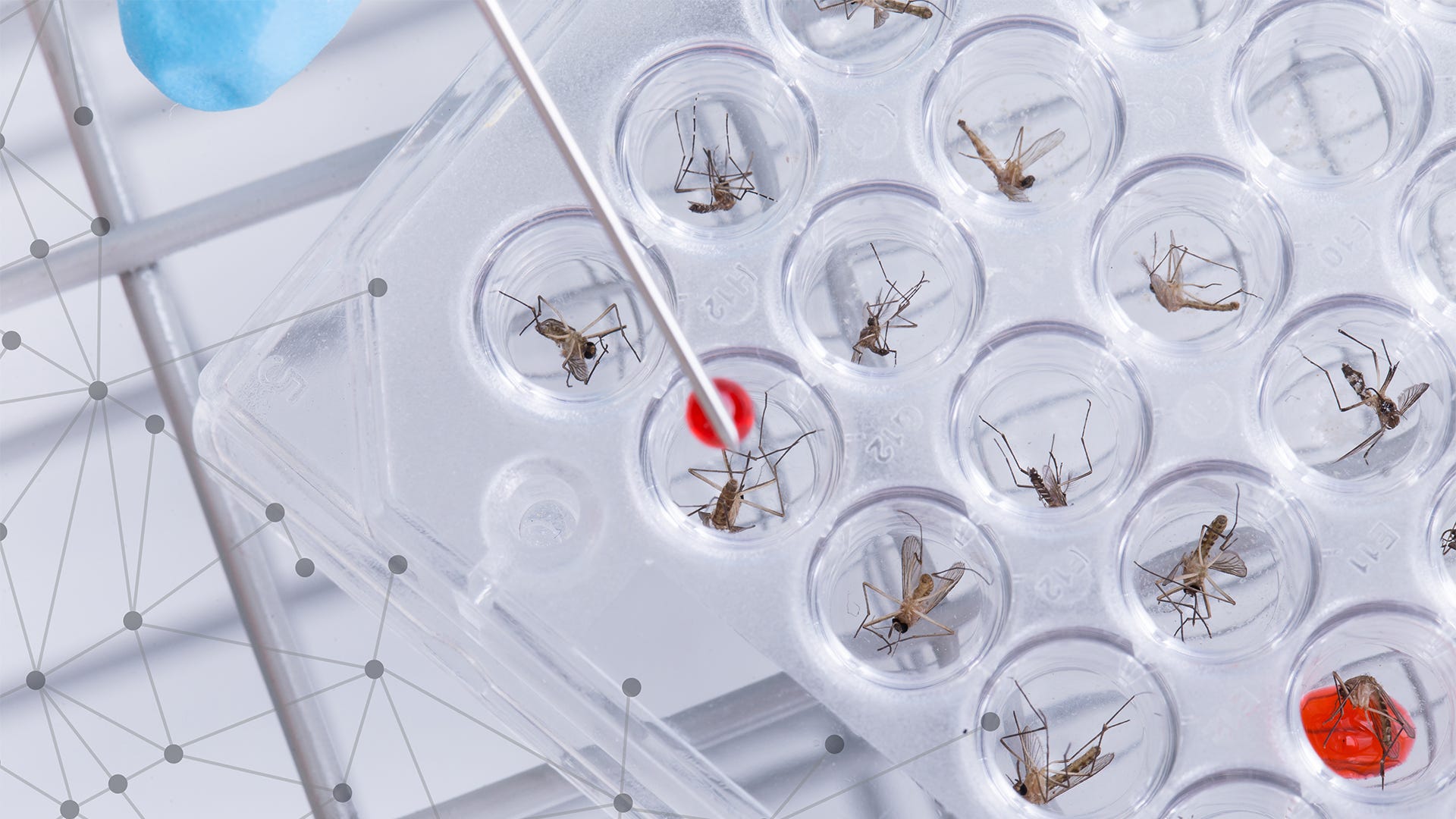
Alphabet’s life sciences subsidiary, Verily, has pioneered a mosquito-control initiative known as the Debug project, which utilizes the release of sterile male mosquitoes to suppress populations of disease-carrying insects. By deploying mosquitoes infected with the Wolbachia bacterium, the project aims to reduce the number of mosquitoes capable of transmitting viruses like West Nile and Zika. This innovative approach to public health represents a significant intersection between big tech and vector-borne disease management.
The core mechanism of the Debug project relies on the biology of Wolbachia, a naturally occurring bacterium that is harmless to humans but can render mosquitoes unable to reproduce successfully or transmit certain pathogens. When laboratory-reared, sterile male mosquitoes are released into the wild, they mate with wild females, but the resulting eggs fail to hatch. Over successive generations, this process leads to a substantial decline in the local mosquito population, effectively lowering the risk of viral transmission in the targeted area. According to Verily’s official project documentation, the initiative combines automated sex-sorting technology with large-scale rearing to ensure that only male mosquitoes—which do not bite humans—are released into the environment.
The Science of Population Suppression
The use of sterile insect techniques (SIT) has been a subject of research for decades, but modern technological advancements have allowed for more precise and scalable applications. Verily’s approach distinguishes itself through the use of high-throughput sorting technology, which separates males from females with extreme accuracy. This is critical, as the release of female mosquitoes would be counterproductive to the goal of population reduction. The U.S. Environmental Protection Agency (EPA) has historically granted experimental use permits to Verily for these releases, acknowledging the potential for these programs to serve as a sustainable alternative to traditional chemical insecticides.
By targeting the reproductive cycle rather than relying on chemical sprays, the Debug project aims to mitigate the environmental impact associated with broad-spectrum pesticides. This method is specifically designed to address the Aedes aegypti mosquito, a primary vector for viruses like dengue, chikungunya, and Zika. The strategy is grounded in the principle that reducing the density of the vector population is the most effective way to interrupt the transmission cycle of these diseases in urban environments.
Regulatory Oversight and Public Health
Any large-scale release of genetically modified or laboratory-altered insects is subject to rigorous regulatory review. In the United States, the EPA oversees the authorization of such biological controls to ensure that they do not pose unreasonable risks to the environment or human health. Before a release can proceed, companies must provide extensive data on the potential ecological impact, the safety of the specific Wolbachia strain used, and the methods for monitoring the population post-release. Information regarding specific permit applications and approval statuses can be tracked through the Federal Docket Management System, which provides transparency into the regulatory process for public interest.
The integration of technology into vector control is not without challenges. Critics and community stakeholders often raise questions regarding the long-term impact on local ecosystems and the efficacy of these programs in diverse climates. However, public health agencies often view these initiatives as a necessary evolution in the fight against emerging infectious diseases, particularly as climate change expands the geographic range of mosquitoes that carry dangerous viruses.
What Happens Next
The future of the Debug project and similar initiatives depends on ongoing data collection and the evaluation of long-term suppression metrics. Researchers continue to monitor the impact of sterile mosquito releases on the prevalence of mosquito-borne illnesses in trial zones. These studies are essential for determining whether the technology can be successfully scaled to cover larger metropolitan areas or regions with high endemic disease rates.
For those interested in the progress of these initiatives, official updates are typically published by local health departments in partnership with the organizations conducting the field trials. Residents in areas selected for such programs are often provided with information sessions and public forums to address concerns regarding the technology. Future phases of the project will likely involve increased coordination with global health organizations to address the burden of tropical diseases in resource-limited settings. We encourage readers to share their thoughts or questions regarding the intersection of biotechnology and public health in the comments section below.
- Innovative Burn Treatment: Advanced Applications in Severe Burn Care
- 5 Barefoot Exercises That Strengthen Your Feet Better Than Orthotics After 60
- Gears of War: E-Day: Release date, platforms & everything else we know about Marcus Fenix’s return (archyde.com)
- EA Sports FC 27: Release Date, Gameplay, and New Features Preview (world-today-news.com)