
Fifty years after its original release, the 1976 cinematic masterpiece Taxi Driver remains a stark, haunting reflection of urban alienation and the human struggle to connect. During a recent retrospective at the Tribeca Festival in New York City, the film’s core creative team—director Martin Scorsese, screenwriter Paul Schrader, and lead actors Robert De Niro and Jodie Foster—reunited to discuss the enduring legacy of the psychological thriller. The conversation centered on why the film’s depiction of isolation continues to resonate with modern audiences, particularly in the digital age.
“It’s a sense of being isolated, it’s about being lonely and not being able to communicate or connect,” Martin Scorsese noted during the discussion. “For me, that’s universal. It’s always going to speak to young people.” The event marked a rare gathering of the primary figures responsible for the film, which was first released in U.S. theaters on February 8, 1976, according to Library of Congress records.
The Persistent Themes of Isolation
The discussion in New York highlighted how the character of Travis Bickle, played by Robert De Niro, serves as a timeless archetype for the alienated individual. Schrader’s screenplay, which explores the descent of a lonely veteran into the dark corners of New York City, was framed by the panel as a prophetic look at what happens when an individual is unable to find a place within society. The participants examined how the film’s themes—once viewed through the lens of post-Vietnam War malaise—now mirror contemporary discussions regarding the impact of digital isolation and social fragmentation.
Robert De Niro and Jodie Foster, who portrayed the young Iris, reflected on the intense process of bringing such a visceral story to the screen. For Foster, the film remains a landmark in her career, representing a period of filmmaking where directors and writers were encouraged to explore uncomfortable, complex human truths. The panel agreed that the film’s “darkly prophetic” nature is exactly what keeps it relevant for new generations, as the fundamental struggle to be heard in a crowded, indifferent world remains a pressing social concern.
A Half-Century of Cinematic Influence
Since its premiere, Taxi Driver has been widely studied for its technical innovation and its unflinching portrayal of mental health and urban decay. The film received four Academy Award nominations in 1977, including Best Picture, Best Actor for De Niro, and Best Supporting Actress for Foster, as documented by the Academy of Motion Picture Arts and Sciences. Its preservation by the National Film Registry in 1994 further cements its status as a work of “culturally, historically, or aesthetically significant” art.
The reunion at the Tribeca Festival provided a rare opportunity to hear the filmmakers discuss the collaborative environment of the mid-1970s. While many films of that era have faded from public discourse, Taxi Driver continues to be cited in academic and critical circles as a definitive piece of New Hollywood cinema. The panel emphasized that the film’s power lies not in its violence, but in its profound empathy for a character who is fundamentally incapable of navigating the complexities of human relationships.
What the Reunion Means for Fans
For long-time admirers of the film, the reunion served as a bridge between the gritty, analog era of 1970s filmmaking and the modern landscape of digital media. The filmmakers were clear that they were not merely celebrating a nostalgic anniversary, but rather engaging with a story that they feel is still evolving in the public consciousness. The discussion underscored that even after 50 years, the creators are still finding new ways to interpret the motivations of Travis Bickle and the environment that created him.
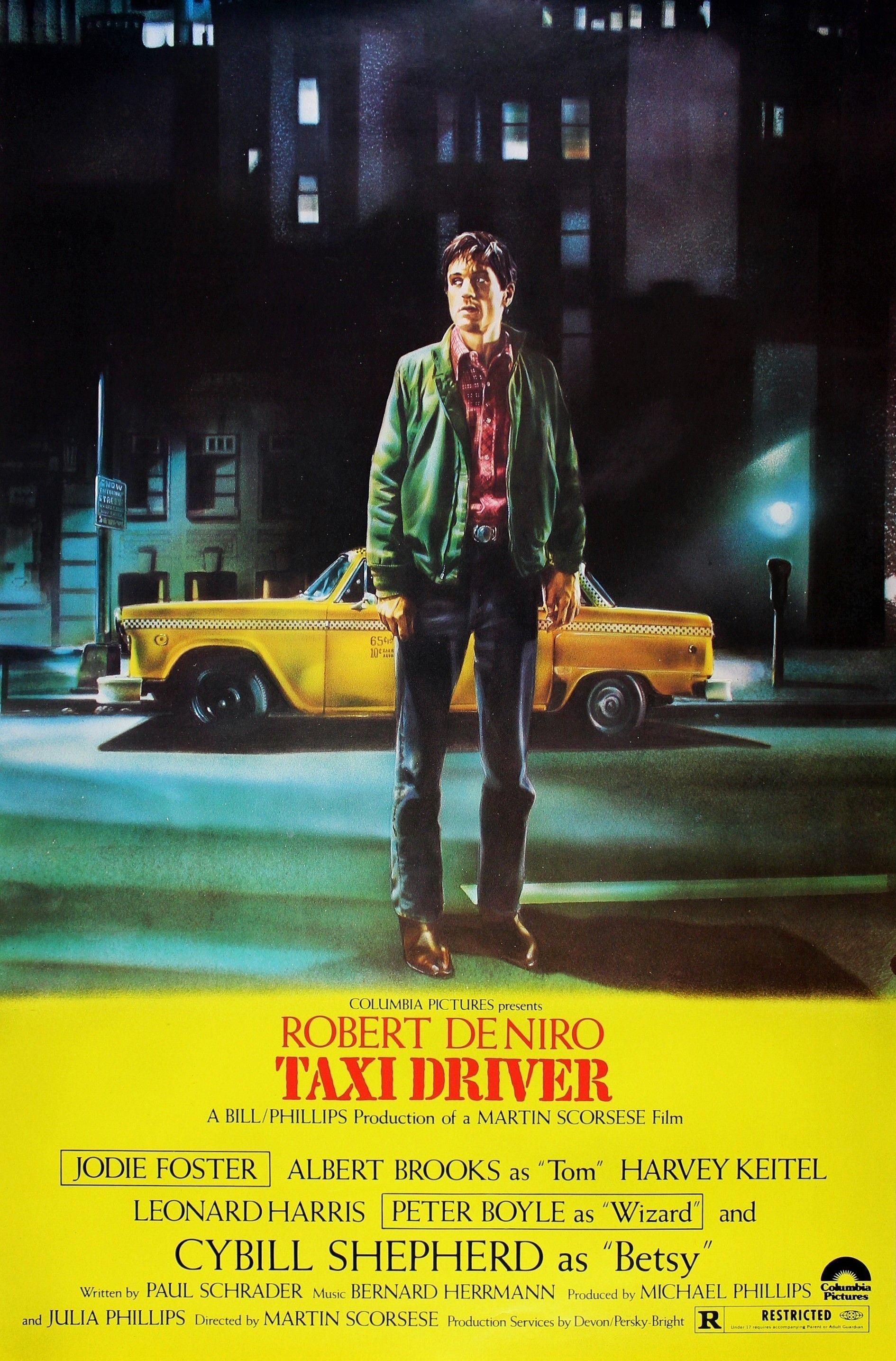
As the film enters its sixth decade, it continues to serve as a reference point for directors and screenwriters looking to explore themes of social disconnection. The Tribeca event underscored that the conversation surrounding Taxi Driver is far from over, as the film remains a primary text for understanding the intersection of individual psychology and societal pressures. Future screenings and retrospective discussions are expected to continue as the industry commemorates the 50-year milestone of this defining work.
Readers interested in further developments regarding the film’s anniversary or future screenings can monitor official updates from the Tribeca Festival. We invite you to share your thoughts on the film’s impact in the comments section below.
Related reading