
As a physician and health journalist, I have spent over a decade observing the intersection of medical innovation and public health. Recently, news reports have circulated regarding a project involving the release of millions of mosquitoes in parts of the United States. While the headlines may sound like the premise of a science fiction film, they actually refer to the real-world application of biological pest control techniques, specifically those developed under the umbrella of Verily, a subsidiary of Alphabet Inc.—the parent company of Google.
The project, often referred to in public discourse as part of the “Debug” initiative, is not about “releasing disease-carrying mosquitoes” in the conventional, harmful sense. Instead, It’s a sophisticated, technology-driven approach to vector control designed to suppress populations of Aedes aegypti, a species of mosquito known for transmitting viruses such as Zika, dengue, and chikungunya. Understanding the nuance of this biological intervention is essential for public discourse on modern healthcare and infectious disease management.
The Science of Biological Mosquito Suppression
The core of this initiative relies on a naturally occurring bacterium called Wolbachia. For years, scientists have explored how this bacterium can be used to disrupt the reproductive cycle of mosquitoes. In the context of the Verily project, the process involves two distinct mechanisms. First, male mosquitoes are infected with a specific strain of Wolbachia. When these laboratory-reared males are released into the wild to mate with local, uninfected females, the resulting eggs do not hatch. This phenomenon is known as cytoplasmic incompatibility.
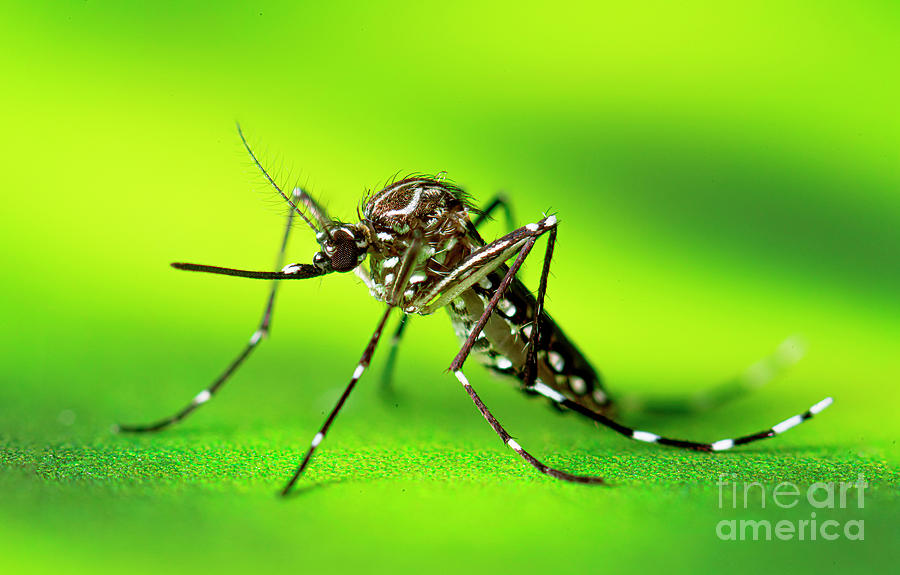
By repeatedly releasing large numbers of these “incompatible” males, the local population of Aedes aegypti is systematically reduced. Because only female mosquitoes bite humans, the release of male mosquitoes does not increase the risk of disease transmission. According to official documentation from Verily, this method provides a targeted, non-chemical alternative to traditional insecticides, which can have broader environmental impacts and to which mosquitoes can eventually develop resistance.
Addressing the Scale and Scope of Field Trials
Reports citing figures such as “64 million” mosquitoes often conflate various phases of long-term research programs. The scale of these releases is meticulously calculated based on local ecology and population density. For example, in previous field trials conducted in places like Fresno, California, Verily utilized automated systems to sort and release millions of mosquitoes, ensuring that only males were introduced into the environment. The scientific community has monitored these trials to assess both the efficacy of the population suppression and the safety of the methodology.

It is important to clarify that these initiatives are not carried out in a legal vacuum. In the United States, the release of such organisms is subject to oversight by the Environmental Protection Agency (EPA). The EPA regulates these releases under the Federal Insecticide, Fungicide, and Rodenticide Act (FIFRA), ensuring that any biological control agent is evaluated for potential environmental risks before authorization is granted. You can track ongoing regulatory updates and public notices regarding such permits through the official EPA portal for biopesticides.
Why This Matters for Public Health
The global burden of mosquito-borne diseases is significant. As climate patterns shift and urban environments expand, the habitats for Aedes aegypti have become more widespread. Traditional control methods—such as draining standing water or applying chemical sprays—are often insufficient. The move toward “precision public health,” which utilizes artificial intelligence to map mosquito populations and robotics to automate the release of sterile insects, represents a paradigm shift in how we approach infectious disease prevention.
However, transparency remains a critical component of these projects. Public trust is built through clear communication from both the technology developers and the regulatory bodies. As these projects move from controlled field trials to broader implementation, citizens in affected regions should expect continued engagement from local health departments. It is vital for residents to rely on information provided by state vector control agencies rather than speculative reports found on social media platforms.
Key Takeaways for the Public
- Safety First: The mosquitoes released in these programs are male, meaning they do not bite humans or transmit disease.
- Biological Control: The project uses Wolbachia bacteria to ensure eggs are non-viable, effectively reducing the overall mosquito population over time.
- Regulatory Oversight: All releases are strictly monitored and authorized by the U.S. Environmental Protection Agency (EPA) to ensure environmental safety.
- Precision Technology: The use of AI and robotics allows for the precise, localized release of these insects, minimizing the ecological footprint of the operation.
Moving Forward: What to Expect
The timeline for these programs is dictated by seasonal mosquito activity and specific regulatory approvals for each new site. As of my latest review, there is no “blanket” release across the entirety of Florida or California. rather, these efforts are highly localized, site-specific interventions. The next steps for any such project typically involve public comment periods, where local communities are invited to voice their concerns and learn more about the environmental assessments conducted by the EPA.

If you live in an area where vector control programs are active, I encourage you to visit your local county health department’s website for the most accurate, localized information. Science communication is a two-way street; by engaging with verified data, One can ensure that innovation in the fight against disease is both effective and community-supported.
What are your thoughts on using biological technology to control disease vectors? Are you interested in learning more about the intersection of AI and public health? Please share your questions or comments below, and let’s keep the conversation grounded in the latest evidence-based research.