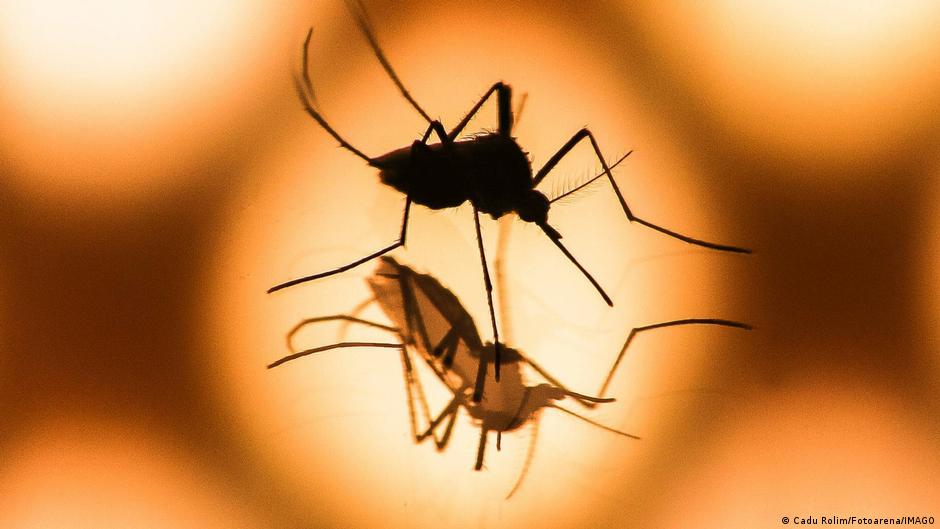
As the summer season approaches in the United States, public health officials and technology innovators are turning their attention to an unconventional strategy for disease control: the deployment of sterilized mosquitoes. Verily Life Sciences, a subsidiary of Google’s parent company, Alphabet, has formally requested permission from the U.S. Environmental Protection Agency (EPA) to initiate a large-scale release of male mosquitoes as part of its ongoing “Debug” program. The initiative aims to suppress populations of Aedes aegypti, a species known for its role in transmitting debilitating viral illnesses.
The proposed project, which is currently under review by federal regulators, involves the release of up to 16 million mosquitoes annually over a two-year period in parts of California and Florida. This effort is part of a broader, technology-driven approach to vector control that seeks to curb the spread of diseases such as dengue, Zika, chikungunya and West Nile virus. By leveraging sophisticated rearing techniques, the company intends to release male mosquitoes that have been treated with the bacterium Wolbachia, a method designed to prevent the production of viable offspring when these insects mate with wild females.
The EPA is currently evaluating the application for an experimental use permit, a process that includes a mandatory public comment period. According to official records from the Federal Register, the window for public feedback on this proposal is scheduled to conclude on June 5, 2026. This regulatory checkpoint represents a critical step in determining whether the project will proceed in the targeted regions.
The Science of Vector Suppression
At the heart of this intervention is the biological reality that only female mosquitoes bite and transmit pathogens. By focusing on the male population, Verily’s Debug program attempts to create a genetic bottleneck. The use of Wolbachia—a naturally occurring bacterium—is a well-documented biological control mechanism. When male mosquitoes carrying the bacterium mate with wild females that do not possess the same strain, the resulting eggs fail to hatch. Over successive generations, this interference is intended to significantly reduce the overall population of the disease-carrying insects in a specific area.
This approach is distinct from traditional chemical pesticides, which can have broader ecological impacts and often lead to the development of insecticide resistance in mosquito populations. By utilizing a species-specific biological tool, the program seeks to offer a more targeted solution. As noted in public health literature, managing mosquito-borne diseases remains a significant priority for health departments, especially in warm-climate states where the Aedes aegypti mosquito thrives.
Regulatory Oversight and Public Process
The involvement of the EPA in this initiative is mandatory, as the release of genetically modified or biologically altered organisms into the environment requires strict federal oversight. The agency’s review process is designed to assess potential environmental, health, and safety risks before granting an experimental use permit. The ongoing public comment period serves as a mechanism for transparency, allowing stakeholders and citizens to voice their perspectives on the proposed release.
For those interested in the official status of the permit or wishing to review the documentation provided by the company, the U.S. Environmental Protection Agency maintains a searchable database of active dockets. Following the conclusion of the public comment period on June 5, 2026, the EPA will move into the next phase of its evaluation, which will involve analyzing the feedback received and conducting a final review of the scientific data submitted by the applicant.
Looking Ahead: The Future of Mosquito Control
The intersection of technology and public health is increasingly focused on finding sustainable alternatives to traditional pest control. While the current proposal is limited to specific geographic areas in California and Florida, the results of this experiment could provide valuable data for future vector management strategies. As global temperatures fluctuate and the geographic range of certain mosquito species potentially expands, the demand for innovative, non-chemical interventions is expected to grow.

The scientific community continues to monitor such projects closely, evaluating both their efficacy in reducing disease transmission and their long-term impact on local ecosystems. For residents in the affected states, the next steps include awaiting the EPA’s final decision, which will be published in the Federal Register once the review process is complete. We will continue to monitor the progress of this permit application and provide updates as they become available through official regulatory channels.
What are your thoughts on using biological control methods to manage mosquito populations? Join the conversation below and share this update with those interested in the latest developments in public health and medical innovation.