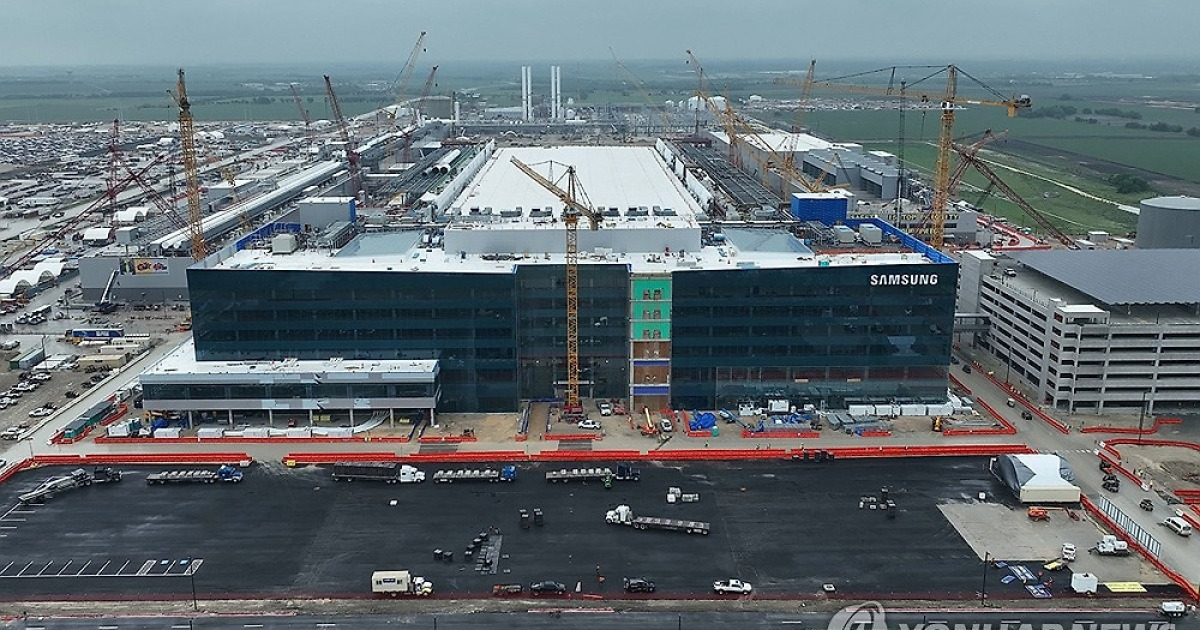
Google is reportedly diversifying its supply chain for next-generation artificial intelligence hardware by engaging Samsung Electronics for partial production of its custom Tensor Processing Units (TPUs), according to industry reports. While the technology giant has historically relied heavily on Taiwan Semiconductor Manufacturing Company (TSMC), this move signals a broader strategy to secure advanced semiconductor capacity amid surging global demand for AI infrastructure.
The strategic shift involves distributing manufacturing responsibilities for Google’s latest TPU designs, often referred to in industry circles by internal codenames. While specific technical roadmaps remain proprietary, the move reflects a wider trend among major cloud providers—including Microsoft and Amazon—to mitigate risks by utilizing multiple foundry partners for their specialized silicon needs, as noted in recent analysis from Reuters.
Diversifying the Silicon Supply Chain
The semiconductor industry is currently navigating a period of unprecedented demand driven by the scaling of Large Language Models (LLMs). According to Bloomberg, Google’s decision to involve Samsung follows a period where TSMC’s advanced packaging and lithography capacity has been stretched by orders from Nvidia, Apple, and other major tech firms. By incorporating Samsung’s gate-all-around (GAA) transistor technology, which is central to their 3-nanometer and prospective 2-nanometer processes, Google aims to ensure a more resilient supply of high-performance AI accelerators.

Samsung Electronics has been aggressively marketing its 2-nanometer process node as a competitive alternative to TSMC’s established dominance. Company executives have stated in recent earnings calls that they are targeting mass production of 2nm chips by 2025, a timeline that aligns with the industry’s shift toward more energy-efficient and powerful AI compute units. This technological race is not merely about volume but about achieving the power efficiency required to run massive data centers sustainably.
Why GAA Architecture Matters
The transition to Gate-All-Around (GAA) architecture represents a significant departure from the traditional FinFET design used for the past decade. As explained in technical briefings from Samsung Semiconductor, the GAA structure allows for better control over current flow, which reduces power leakage and improves performance at smaller nodes. For AI workloads that require constant, high-intensity processing, this efficiency is critical for managing thermal output and electricity costs.
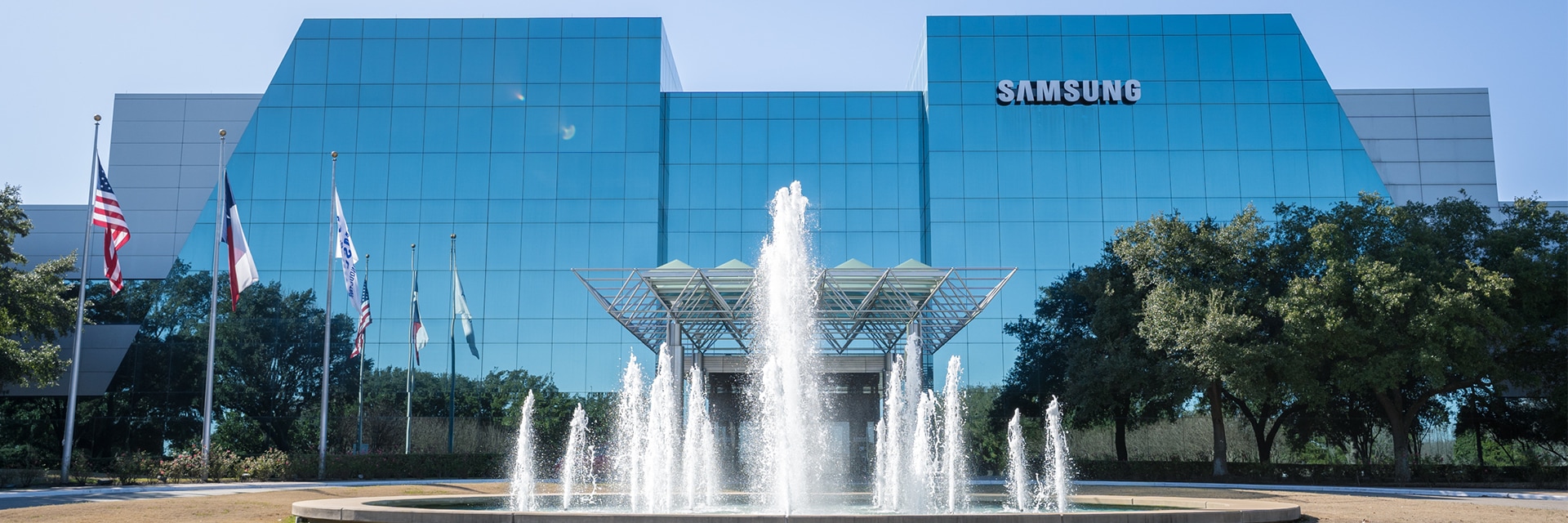
Google’s internal hardware division, which designs the TPU series, must ensure that chip designs are compatible with the specific manufacturing environments of both foundries. While the core logic of the chips remains consistent, the physical implementation—often called “design tape-out”—must be optimized for the specific design rules of either TSMC or Samsung. This dual-sourcing strategy allows Google to leverage the unique strengths of each foundry’s process development kits (PDKs) to maximize yield.
Implications for the Global Chip Market
For the broader technology sector, Google’s reported move underscores the high stakes of the “AI arms race.” With the market for AI chips expected to continue growing through 2030, according to data from Gartner, foundries that can reliably deliver at the most advanced nodes hold significant leverage. The ability of Samsung to secure orders from a major “hyperscaler” like Google serves as a validation of their recent investments in sub-3nm manufacturing.
However, the transition is not without challenges. Integrating multiple foundries requires complex logistics and supply chain management to ensure that chips produced in different facilities maintain uniform performance standards. Industry analysts suggest that Google will likely continue to balance its volume between these partners, maintaining a competitive tension that benefits the buyer while ensuring stable delivery schedules.
Looking Toward 2025
The next major checkpoint for this development will be the scheduled transition to 2nm mass production at major foundries, expected to begin in 2025. Investors and industry observers will be watching for official confirmation of these partnerships during upcoming quarterly investor relations briefings from both Google and Samsung. As the industry moves toward these smaller, more complex nodes, the ability to maintain high manufacturing yields will define which companies lead the next generation of AI hardware development.
We will continue to monitor official filings and company announcements for updates on these production agreements. If you have insights or information regarding this industry shift, please share your thoughts in the comments section below.
Related reading
- Planet Parade, Perseid Meteor Shower, and Solar Eclipse: A Rare Celestial Triple Event
- KTC H27T7P-2 Gaming Monitor: 27″ IPS, 210Hz, 1ms Response Time – Only €159.99 at Geekbuying
- SerpApi Accuses Reddit and Google of Restricting Access to Public Data (archyworldys.com)
- Google Pixel 11 Pro: Leaks, Price Hikes, and New Glow Color Details (newsdirectory3.com)