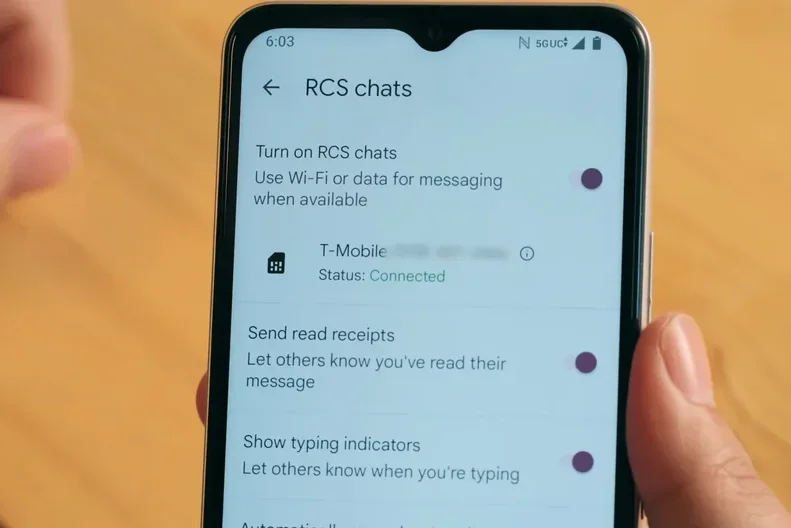
In an era where digital communication is increasingly targeted by sophisticated bad actors, Google is quietly reshaping the security landscape for billions of users. The latest advancements in the Android ecosystem are focusing on a surprising, yet highly effective, implementation of Rich Communication Services (RCS) to combat the growing threat of fraudulent calls. By leveraging the underlying infrastructure of modern messaging, Google is working to provide a more robust defense against the rise of AI-driven voice scams and deceptive telemarketing tactics.
For many users, RCS has long been viewed primarily as a modern alternative to traditional SMS, offering features like read receipts, typing indicators, and high-quality media sharing. However, as the industry shifts toward integrated safety protocols, this communication standard is becoming a critical tool for identity verification. By utilizing the data-rich environment that RCS provides, Android devices can now better identify and warn users about potential threats before they even answer a call, marking a significant evolution in mobile security.
The Evolution of Android Security Against Fraud
The core of this new initiative lies in Google’s ongoing efforts to integrate AI-driven intelligence directly into the Android operating system. As the company outlined in its recent official June 2026 Android feature drop, the focus is on creating a proactive barrier against social engineering. These updates are designed to work in tandem with existing caller ID systems to provide a more comprehensive, real-time assessment of incoming calls.

The integration of RCS is particularly clever because it allows for a more secure handshaking process between verified business entities and the user’s device. By using an encrypted channel to verify the authenticity of an incoming call, the system can flag suspicious activity that would otherwise appear as a legitimate, local number. This is a direct response to the increasing prevalence of deepfake voice technology, which can mimic the tone, cadence, and even the specific vocabulary of a trusted contact or institutional representative.
According to the Federal Communications Commission (FCC), caller ID spoofing remains a primary vector for financial fraud, with billions of dollars lost annually to scams that rely on manipulating the information displayed on a recipient’s phone. By adding a layer of verification that goes beyond basic signaling, Google is attempting to address the technical limitations that have historically made it tough for mobile operating systems to distinguish between a spoofed call and a genuine one.
How RCS Verification Works in Practice
At its technical level, the system functions by cross-referencing incoming call data with a live, cloud-based database of verified sender identities. When a call is initiated, the network checks the credentials through an RCS-enabled handshake. If the identity does not align with the expected security signature, the Android interface triggers an automated alert, categorizing the call as “potential spam” or “suspected fraud.”
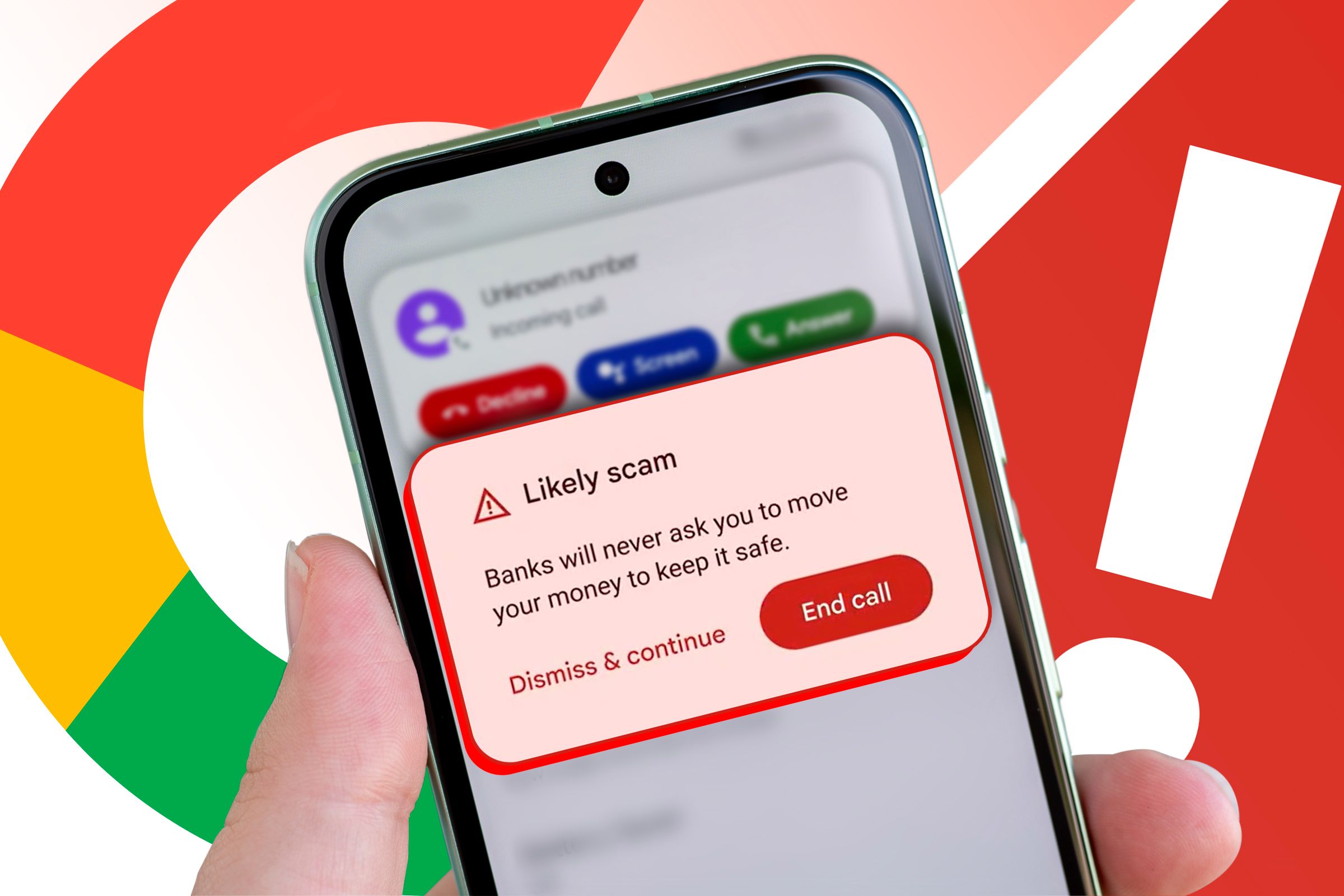
This process is largely invisible to the user, occurring in the milliseconds before the phone begins to ring. For the average person, this means a significantly reduced risk of falling victim to “vishing,” or voice phishing, where scammers use urgent, high-pressure tactics to solicit sensitive personal or financial information. By moving the verification process to the software level within Android, Google is effectively neutralizing the advantage that bad actors gain from simple number masking.
these security improvements are not limited to Google’s own Pixel hardware. As part of the broader One UI 9 ecosystem updates, these defensive capabilities are being extended to a wide range of devices, ensuring that a significant portion of the Android user base remains protected regardless of the manufacturer. This cross-platform approach is essential for the effectiveness of the system, as it creates a standardized safety net that operates across different carriers and hardware specifications.
Key Takeaways for Android Users
- Enhanced Verification: RCS is now being used to verify the authenticity of calls, helping to distinguish between legitimate business communications and sophisticated spoofing attempts.
- AI-Powered Protection: The system utilizes real-time machine learning to detect patterns associated with deepfake voice scams and high-pressure telemarketing.
- Broad Compatibility: These security features are being rolled out as part of the Android 17 framework, ensuring support for major manufacturers like Samsung and others.
- Reduced Fraud Risk: By flagging suspicious calls automatically, the system provides a critical extra layer of defense against financial and identity theft.
The Future of Secure Communication
While these advancements are a major step forward, the battle against mobile fraud is an ongoing effort. As AI models become more adept at mimicking human speech, the challenge for developers will be to continuously update the detection algorithms to stay ahead of evolving threats. The current integration of RCS into Android’s security suite is a testament to the fact that modern communication standards can be repurposed to provide essential safety features.

Looking ahead, the industry is expected to see even tighter integration between messaging protocols and voice security. The goal is to move toward a “zero-trust” model for incoming calls, where every interaction is verified before It’s allowed to reach the user. As these technologies mature, users can expect a more seamless experience where safety is handled by the operating system, allowing for peace of mind in an increasingly connected world.
The next major update to these safety protocols is expected to coincide with the next quarterly system patch, which Google typically schedules for release in the coming months. As we move closer to the end of the year, users are encouraged to keep their devices updated to the latest available firmware to ensure they have access to these critical security patches and feature enhancements. We invite our readers to share their experiences with these new caller identification features in the comments section below, as community feedback is vital for the continued refinement of these tools.
Keep reading