
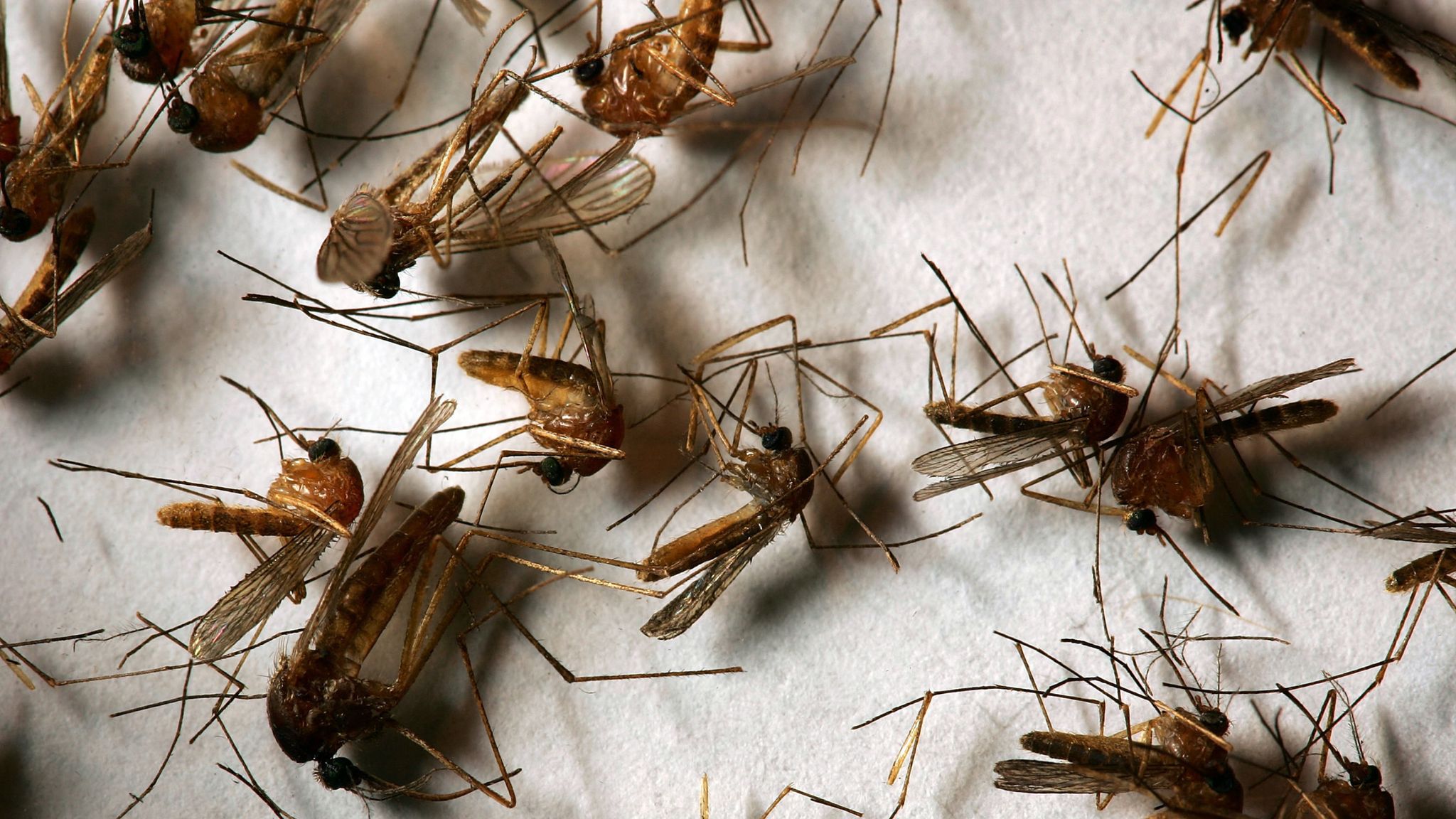
As we navigate the intersection of public health and emerging technology, few proposals have sparked as much curiosity—and concern—as the latest initiative from Alphabet, the parent company of Google. The company is currently seeking regulatory approval to release a significant population of mosquitoes in California and Florida as part of its ongoing “Debug” project. While the headline figures of tens of millions of insects may seem alarming, the underlying science is rooted in a well-established method of vector control aimed at curbing the transmission of life-threatening diseases.
In the world of medical innovation, the challenge of managing mosquito-borne illnesses like dengue fever, Zika, and West Nile virus remains a global priority. The Debug project, managed through Alphabet’s life sciences division, Verily, aims to disrupt the reproductive cycle of the Aedes aegypti mosquito, a primary vector for these pathogens. By targeting the mosquito population itself, the project seeks to reduce the prevalence of these diseases without relying solely on chemical pesticides, which can have broader environmental impacts.
Understanding the Sterile Insect Technique
The approach proposed by Alphabet is not a new invention, but rather an application of the Sterile Insect Technique (SIT), a method that has been utilized for over six decades to control various agricultural and medical pests. The mechanism is elegant in its simplicity: the program involves the mass rearing of male mosquitoes, which are then infected with Wolbachia, a naturally occurring bacteria. Because male mosquitoes do not bite humans and do not transmit disease, they serve as the perfect vehicle for this biological intervention.
When these laboratory-reared males are released into the wild, they compete with native male mosquitoes to mate with wild females. Because the Wolbachia infection renders the males effectively sterile, the resulting eggs laid by the females fail to hatch. Over successive generations, this continuous release of sterile males leads to a decline in the overall population of the target species. According to the International Atomic Energy Agency, the sterile insect technique is recognized as a sustainable and environmentally friendly form of pest management that has successfully suppressed populations of fruit flies, screwworms, and moths in various regions across the globe.
The Scope of the Debug Initiative
The proposal currently under review involves the release of up to 32 million mosquitoes across specific sites in California and Florida. This scale is necessary to ensure that the sterile males can effectively outcompete the local wild population. The Aedes aegypti mosquito, in particular, is a resilient and highly adapted species that has thrived in human-altered environments, making it a hard target for traditional eradication methods.

Public health experts emphasize that the success of such programs depends on consistent, long-term application. Unlike traditional insecticide fogging, which provides only temporary relief, the biological suppression offered by the Debug project is designed to be self-sustaining as long as the releases continue. As we look at the future of vector control, the integration of data science and biological intervention represents a significant shift in how we approach the prevention of infectious diseases.
Why This Matters for Public Health
Mosquitoes remain the deadliest animal on the planet, responsible for more human deaths annually than any other creature due to the transmission of malaria, dengue, and other viral threats. As global travel and climate patterns continue to shift, the geographic range of these vectors is expanding, bringing new risks to urban and suburban areas in the United States. Projects like Debug are part of a broader suite of tools that scientists are developing to mitigate these risks.
For residents in the affected regions, the prospect of millions of mosquitoes being released may naturally raise questions about safety and local ecology. However, the scientific consensus on the use of Wolbachia-infected, sterile males highlights that these insects are incapable of biting or spreading disease. The rigorous regulatory review process currently underway involves oversight from environmental and health authorities to ensure that the project meets all safety and ecological standards before any releases occur.
Key Takeaways on the Debug Project
- Biological Control: The project uses the Sterile Insect Technique (SIT) to reduce mosquito populations without chemical pesticides.
- Safety: Only male mosquitoes are released; they do not bite and cannot transmit diseases to humans.
- Mechanism: The Wolbachia bacteria renders the males sterile, ensuring that eggs fertilized by them do not hatch.
- Regulatory Status: Alphabet is currently working with federal authorities to obtain the necessary approvals for the proposed release in California and Florida.
Looking Ahead: The Path Toward Approval
As of mid-2026, the proposal remains in the regulatory pipeline. The path toward implementation involves close coordination with state and federal environmental agencies to monitor the potential impact on local ecosystems. While there is no specific date set for the commencement of the releases, the ongoing dialogue between the company and regulators is a standard part of the approval process for large-scale biological interventions.
We will continue to monitor the status of this request and provide updates as more information becomes available through official regulatory channels. As with any significant development in public health policy, transparency and rigorous scientific evaluation are paramount. We encourage our readers to stay informed through official updates from local health departments and environmental agencies regarding the progress of this project.
What are your thoughts on using biological technology to control disease-carrying pests? Join the conversation in the comments section below or share this article to help spread awareness about the science of vector control.
Related reading