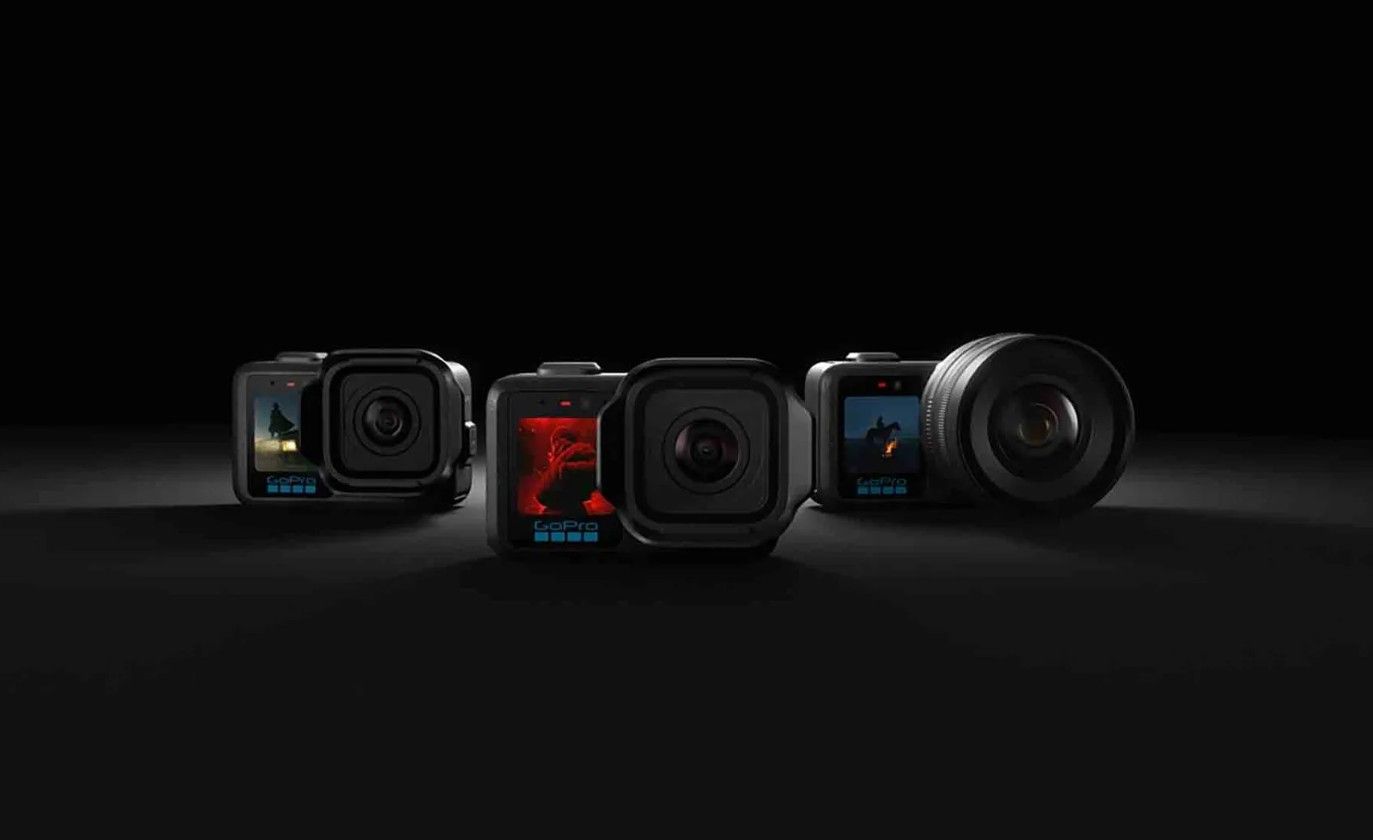
The action camera market, once defined by the rugged, go-anywhere versatility of the GoPro Hero series, is currently facing a period of intense scrutiny. Recent industry reports and financial disclosures have sparked widespread speculation regarding the future of the San Mateo-based company, specifically concerning its potential availability for acquisition. As the consumer electronics landscape shifts, GoPro finds itself navigating a complex intersection of supply chain volatility, increased competition, and changing consumer habits.
For investors and enthusiasts alike, the question of whether GoPro is effectively for sale has become a central point of discussion. While the company has not issued a formal confirmation of a sale process, market analysts are closely watching its financial health. According to its Q3 2024 earnings report, the company faces significant headwinds as it attempts to diversify its revenue streams beyond hardware sales, including its subscription services and desktop editing software.
The challenges facing the hardware sector are well-documented. Rising costs associated with semiconductor procurement—the “brikkepriser” or chip prices mentioned in broader industry analysis—have placed significant pressure on profit margins for manufacturers of compact, high-performance imaging devices. When combined with the saturation of the action camera market and the rising quality of smartphone camera sensors, GoPro’s path to maintaining its historic market dominance has become increasingly arduous.
Market Realities and the Cost of Innovation
At the heart of the current discourse is the rising cost of production. Modern action cameras require highly specialized image signal processors (ISPs) and high-density memory modules. As global supply chains continue to stabilize following the disruptions of the early 2020s, the cost of these components remains elevated due to sustained demand from the automotive and AI sectors. For a hardware-centric company like GoPro, this creates a difficult balancing act: absorb the costs and sacrifice margins, or pass them on to consumers, potentially risking a decline in unit sales.

According to data from the U.S. Securities and Exchange Commission (SEC) filings, the company has been aggressively pursuing a strategy to lower operating expenses while investing in its software ecosystem. This pivot is a clear signal that the company recognizes the limitations of relying solely on camera hardware revenue. The integration of its Quik desktop and mobile editing suite represents a deliberate effort to create recurring revenue, a model that is often more attractive to potential acquirers than hardware sales alone.
The competitive environment is equally challenging. Brands such as DJI and Insta360 have carved out significant market share by offering innovative form factors and aggressive pricing strategies. These competitors have successfully leveraged their own internal supply chains, often providing a more integrated user experience that complicates GoPro’s traditional value proposition of “rugged reliability.”
Strategic Shifts: Beyond the Action Camera
To understand the current crisis, one must look at how the company is attempting to pivot. GoPro is no longer just a camera manufacturer; it is repositioning itself as a content platform. The goal is to move the user from simply capturing footage to utilizing the GoPro ecosystem for storage, editing, and sharing. This shift is essential, as the hardware market has largely matured, with upgrade cycles for action cameras stretching longer than they did a decade ago.
However, the financial metrics indicate that this transition is proving difficult. In its recent third-quarter 2024 results, the company reported a net loss, reflecting the difficulty of maintaining profitability while simultaneously funding research and development for new product categories. This financial strain is exactly what fuels the industry rumors about a potential sale or strategic partnership.
When a company of this size faces persistent margin pressure, institutional investors often begin to evaluate the benefits of a buyout by a larger conglomerate. A potential buyer would likely be interested not just in the hardware, but in the brand equity, the loyal user base, and the intellectual property associated with its proprietary image processing algorithms. Yet, any such move would be subject to rigorous regulatory review, particularly regarding antitrust considerations in the consumer electronics space.
What Lies Ahead for the Brand
As we look toward the next fiscal year, the company’s trajectory will likely be defined by its ability to execute its current roadmap. This includes the successful launch of new hardware iterations that justify the price point through clear technological advancements—such as improved low-light performance, better thermal management, and deeper AI integration for automated video editing.
For the average user, these corporate maneuvers may seem distant, but they directly impact the longevity of support for current devices and the pace of future innovation. The company has stated that it remains committed to its core mission of helping people capture and share their experiences. Whether This represents achieved as an independent entity or under the umbrella of a larger technology firm remains the most significant open question in the industry.
Key checkpoints for stakeholders include the upcoming annual shareholder meeting and subsequent quarterly earnings calls, where the company will provide further clarity on its long-term financial strategy and potential restructuring efforts. These official channels are the only reliable sources for updates regarding the company’s corporate standing.
As a technology editor, I will continue to track these developments closely. If you have insights or perspectives on the evolving action camera market, please share your thoughts in the comments section below. For the latest updates and in-depth analysis on this and other tech industry shifts, ensure you are subscribed to our newsletter.
Worth a look