
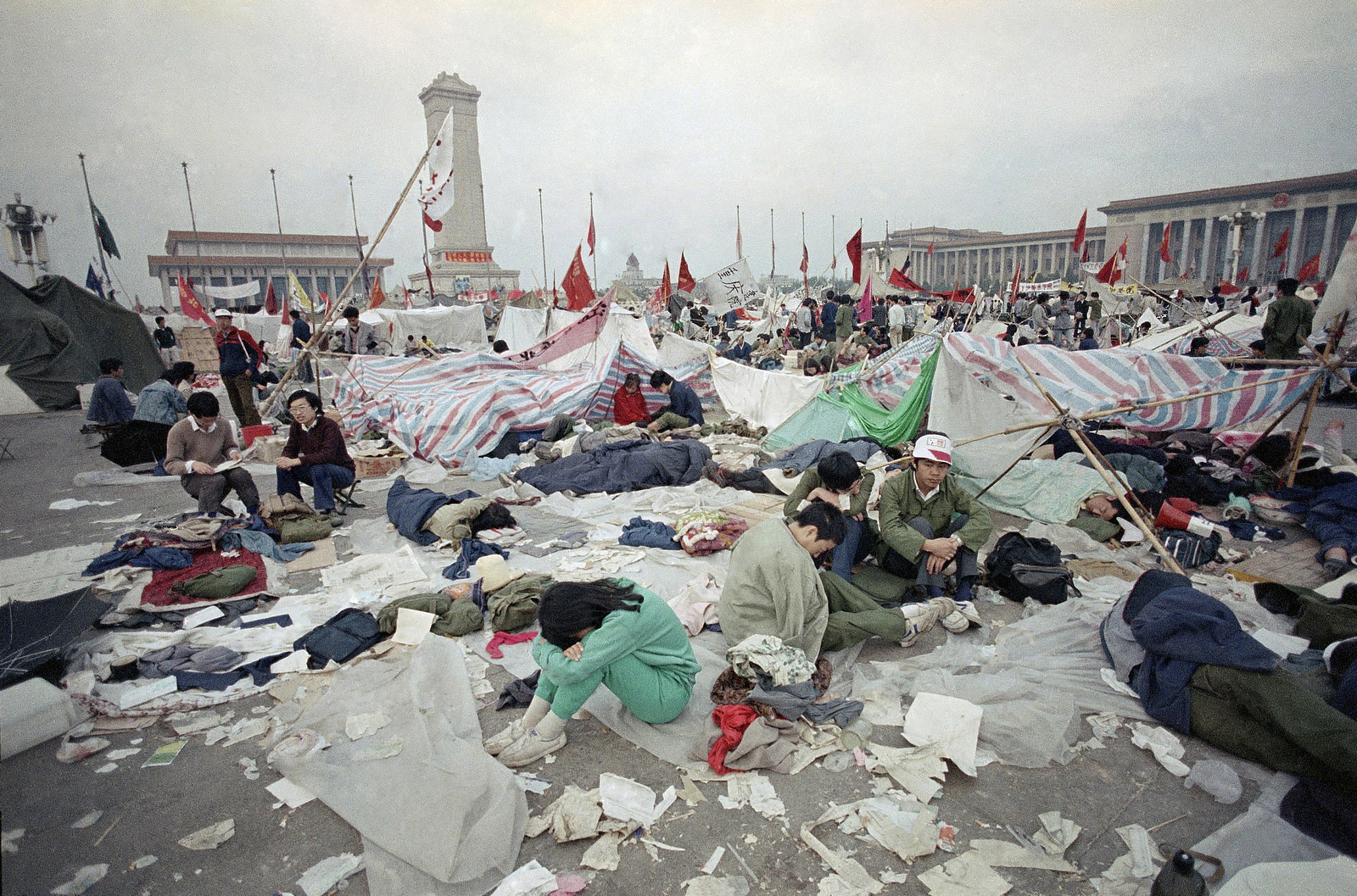
As the anniversary of the 1989 Tiananmen Square protests passes, the call for transparency regarding the military crackdown remains a persistent issue in international human rights discourse. The events of June 3–4, 1989, which saw Chinese troops enter Beijing to suppress weeks of student-led demonstrations, continue to be a subject of intense government censorship and restricted public memory within China, according to documentation from organizations like Amnesty International.
The protests, which began in mid-April 1989, were characterized by student-led calls for democratic reforms, freedom of the press, and an end to government corruption. Over the course of several weeks, these demonstrations expanded to include workers and other citizens across the country before being met with a decisive government response. The subsequent military action resulted in a significant number of casualties, with estimates varying widely among researchers and international observers. While the official Chinese government tally from the time cited 241 deaths, independent estimates range from several hundred to over 2,000, as noted in historical records compiled by Britannica.
The Ongoing Struggle for Historical Memory
Decades after the events, the Chinese state maintains a policy of strict control over the narrative surrounding the 1989 crackdown. This includes the systematic removal of references to the incident from domestic textbooks, internet searches, and public discourse. Families seeking to commemorate those who lost their lives often face surveillance and restrictions, a pattern that has reportedly intensified in recent years. International observers and non-governmental organizations continue to document these efforts to maintain what many describe as a forced collective amnesia regarding the June Fourth Incident.
For the families of the victims, the passage of time has not diminished the demand for accountability. These groups, often composed of aging parents and relatives, have long advocated for a formal investigation into the events and the release of information regarding those who were detained or killed. Their efforts, however, are frequently met with official obstruction, including the monitoring of their activities and limitations on their ability to gather or visit sites associated with the deceased.
Understanding the Context of the 1989 Protests
The demonstrations in 1989 were rooted in a complex set of socio-political factors. Following the death of reformist leader Hu Yaobang, students gathered in Tiananmen Square to express their grievances. Their demands were broad, touching on the need for greater political accountability and the protection of basic rights, such as freedom of assembly. The movement gained momentum due to widespread public dissatisfaction with economic inflation and perceived nepotism within the Communist Party, as documented in historical analysis by scholarly records.
The government’s response, which culminated in the imposition of martial law on May 20, 1989, led to the eventual clearing of the square by force. The aftermath of the crackdown saw the implementation of international sanctions and arms embargoes, as well as significant internal political shifts, including the removal of General Secretary Zhao Ziyang from power. These events remain a defining moment in the modern history of the People’s Republic of China, shaping its domestic policy and its relationship with the international community for the subsequent 37 years.
Global Perspectives and Human Rights Advocacy
While the internal situation in China remains highly restricted, the international community continues to mark the anniversary of the crackdown. Global human rights organizations frequently use the occasion to reiterate calls for the Chinese government to address the legacy of the violence and to respect the rights of those who continue to advocate for the truth. These advocacy groups highlight the importance of preserving historical records and supporting the families of victims who seek justice.
As of June 2026, the situation regarding the commemoration of the June Fourth Incident remains characterized by a lack of official transparency. The continued focus on this topic by international observers underscores the enduring tension between state-enforced narratives and the efforts of individuals to maintain a record of the events of 1989. For those interested in tracking developments, human rights organizations provide periodic updates on the status of activists and the conditions surrounding annual commemorations.
We welcome your thoughts and perspectives on the importance of historical documentation in the context of international human rights. Please feel free to share this article or join the conversation in the comments section below.