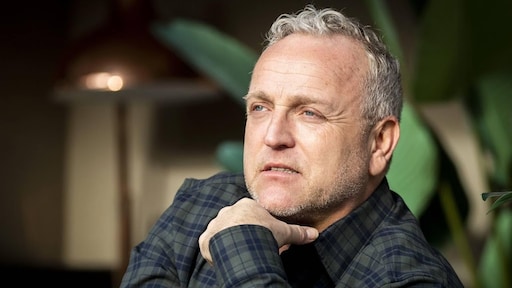
The pursuit of physical transformation often highlights the complex intersection between aesthetic goals and psychological well-being. For Dutch entertainer Gordon Heuckeroth, known professionally as Gordon, a recent high-profile fitness challenge served as a stark reminder that physical training is rarely just a matter of discipline and nutrition. In a public reflection on his preparation for a feature in Men’s Health, the television personality opened up about the significant mental health hurdles he encountered during an intensive, short-term body transformation program.
As we navigate an era where digital platforms often curate an image of effortless physical perfection, Gordon’s transparency regarding his mental health struggle during his Men’s Health preparation provides a necessary, grounded perspective. It underscores a growing awareness in the fitness industry that rapid physical changes—often driven by strict caloric deficits and rigorous training schedules—can trigger unexpected emotional responses and psychological fatigue. His experience serves as a case study for the hidden costs of high-intensity lifestyle shifts.
In the Netherlands, the entertainer has long been a fixture of television, spanning a career that includes music, presenting, and reality programming. His candid discussion about his mental state during this fitness journey resonates with a broader audience, highlighting that even those with access to top-tier coaching and resources are not immune to the psychological pressures of body-centric media goals. According to public statements made by the artist regarding his health journey, the pressure to meet a specific deadline and aesthetic standard proved to be a significant catalyst for his mental dip.
The Intersection of Physical Performance and Mental Health
The relationship between extreme dieting and mental health is well-documented in clinical literature. Research from the American Psychological Association indicates that intense, restrictive fitness regimens can lead to mood disturbances, anxiety, and increased irritability, particularly when the individual is under public scrutiny. When an individual commits to a transformation project, the focus is frequently placed on macronutrients and lifting volume, often at the expense of psychological maintenance.

Gordon’s experience with the Men’s Health project reflects these common pitfalls. While the magazine’s transformation features are designed to inspire readers, the process of reaching that level of lean, muscular definition often requires a level of consistency that can be mentally depleting. For someone in the public eye, this pressure is magnified by the expectation of maintaining a public persona while undergoing a private, physically taxing struggle.
the fitness industry has increasingly begun to acknowledge these challenges. The concept of “mental fitness” is now frequently discussed alongside physical benchmarks. Experts in sports psychology suggest that preparing for a photoshoot or a competition requires a “psychological buffer,” which includes adequate sleep, social support, and the flexibility to adjust goals when mental symptoms appear.
Why Transformation Goals Can Trigger Psychological Stress
The phenomenon Gordon described is not uncommon among individuals undertaking radical lifestyle changes. When the body is pushed into a state of high physical stress, the brain’s ability to regulate mood can be compromised. This is particularly true when an individual is working toward a “deadline-based” fitness goal, such as a magazine cover or a television special.

Key factors contributing to this mental strain include:
- Caloric Deficit Fatigue: Lowering body fat percentages to the levels required for fitness photography often involves long periods of energy restriction, which can impact serotonin production.
- Public Accountability: The knowledge that one’s progress will be judged by a mass audience adds a layer of performance anxiety.
- Identity Conflict: For many, the shift from their “normal” lifestyle to a rigid, fitness-focused routine can lead to a temporary loss of self-identity.
Gordon’s admission that he faced a “mental dip” serves as an important reminder that health is holistic. True wellness is not solely defined by the visibility of abdominal muscles, but by the stability of one’s mental state during the process of achieving those goals.
Navigating Public Expectations in the Digital Age
In his reflection, the entertainer highlighted that the disparity between his inner experience and the outward image he was expected to project created a sense of dissonance. This is a common struggle for public figures in the digital age, where social media demands a constant stream of “success” and “transformation” content. When the reality of the process involves struggle, depression, or simple exhaustion, the disconnect can be isolating.
For readers who may be considering their own fitness journeys, the lesson is clear: progress should be measured by sustainable health markers rather than temporary aesthetic achievements. The World Health Organization emphasizes that mental health is a fundamental component of overall well-being, and it should never be compromised for the sake of physical appearance.
If you or someone you know is struggling with the pressures of body image or the mental toll of intense fitness training, This proves vital to seek guidance from qualified professionals. A combination of a nutritionist, a trainer who values mental health, and, when necessary, a mental health counselor, can provide a more balanced approach to transformation.
Looking Ahead: The Conversation Continues
As the entertainment industry continues to evolve, the demand for authenticity is becoming as important as the demand for physical prowess. Gordon’s willingness to discuss the “dark side” of his fitness preparation is a positive step toward destigmatizing mental health struggles in the public eye. By sharing his journey, he encourages others to prioritize their mental state over the pressure to achieve an idealized body type for the sake of media recognition.
There are no further public updates scheduled regarding Gordon’s specific fitness projects at this time. However, his story remains a poignant contribution to the ongoing conversation about body image and the realities of the fitness industry. We welcome your thoughts on this topic; if you have experienced a similar struggle while pursuing a fitness goal, please share your perspective in the comments section below. Your experiences contribute to a more nuanced understanding of what it means to be truly healthy in today’s world.
Worth a look