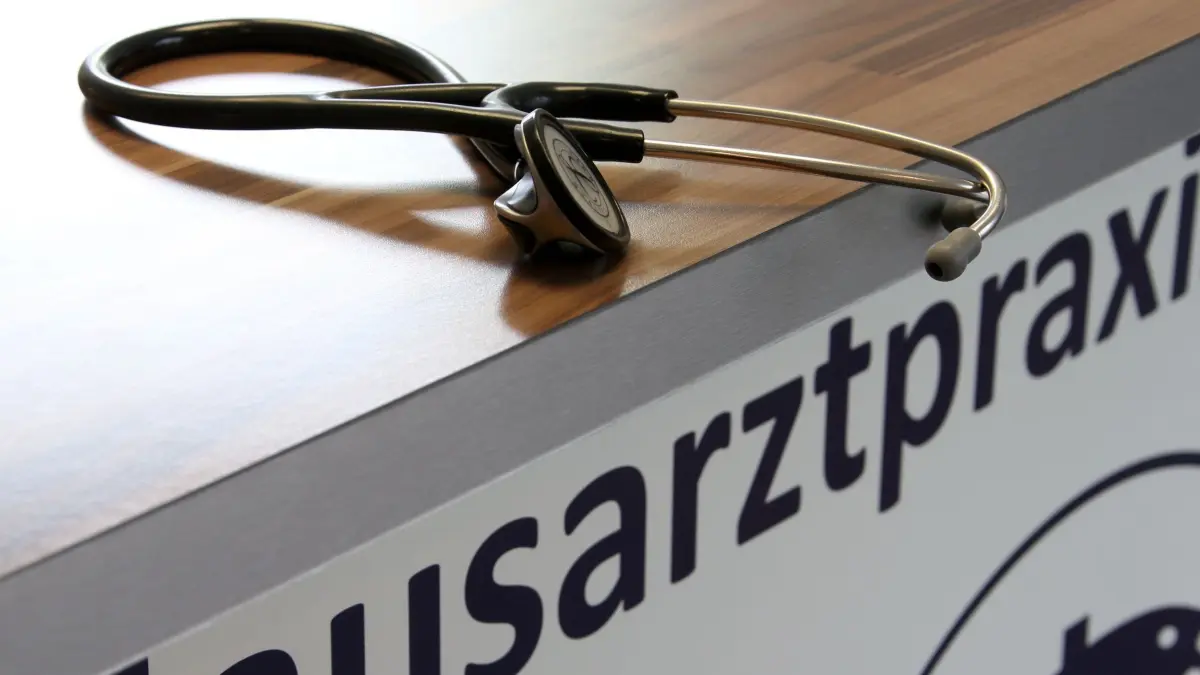
The challenge of maintaining adequate healthcare infrastructure in rural Germany has reached a critical juncture, particularly in the northeastern regions of Brandenburg. In areas like the Uckermark and Barnim districts, the shortage of general practitioners is not merely a statistical trend but a daily reality for thousands of residents who face increasing difficulty in accessing primary medical care.
For young physicians, the decision to practice in a rural setting involves a complex calculation of professional autonomy, quality of life, and the structural hurdles of the German healthcare system. While the promise of establishing a private practice can be appealing, the reality of “medical deserts” in rural Brandenburg highlights a systemic struggle to attract and retain modern medical talent in the face of an aging population and evolving professional expectations.
The town of Eberswalde, serving as the administrative seat of the Barnim district, sits at the center of this tension. As a major settlement in the region, it represents a potential hub for medical services, yet it also reflects the broader regional struggle to fill the gaps left by retiring doctors. The difficulty in finding suitable medical positions in the countryside is often compounded by the specific needs of young doctors who seek a balance between demanding clinical work and modern living standards.
Understanding the shortage of general practitioners in rural Brandenburg requires looking beyond the simple lack of applicants. It involves analyzing the intersection of regional geography, the administrative structure of the Bundestag’s electoral districts—such as the Uckermark – Barnim I constituency—and the socio-economic pressures that drive medical graduates toward urban centers like Berlin.
The Geographic and Administrative Landscape of Barnim and Uckermark
The region in question is characterized by its vast area and dispersed population. The electoral constituency of Uckermark – Barnim I, designated as constituency 57, covers a significant portion of northeastern Brandenburg, spanning 4,251.6 km² Uckermark – Barnim I – Wikipedia. This expansive geography means that for many patients, the distance to the nearest doctor is a primary barrier to care.
Eberswalde, a town with a population of 41,481 as of December 31, 2024, serves as a critical anchor for the Barnim district Eberswalde – Wikipedia. Known as the “forest city” due to its proximity to the Barnim Nature Park and the Schorfheide-Chorin Biosphere Reserve, the town offers a high quality of life that could, in theory, attract young professionals. However, the ability of a town’s natural beauty to offset the professional pressures of a rural medical practice remains a point of contention among young clinicians.
The administrative divide in the region is evident in the constituency’s makeup. While it includes the Uckermark district and most of the Barnim district, certain municipalities like Ahrensfelde and Bernau bei Berlin are excluded from this specific electoral zone. This fragmentation often mirrors the fragmentation of healthcare delivery, where some pockets of the region are better served than others, creating an uneven landscape of medical accessibility.
Challenges Facing Young Physicians in Rural Practice
Young medical professionals entering the workforce today have different priorities than the generation of doctors currently reaching retirement age. The “bottleneck” in rural recruitment often stems from a mismatch between the traditional model of the solo rural practice and the desires of modern physicians.

One of the primary hurdles is the difficulty of finding “turnkey” opportunities. Many young doctors are hesitant to take over aging practices that require significant capital investment in outdated equipment or facilities. The desire for modern infrastructure—digital health records, updated diagnostic tools, and efficient practice management software—is often at odds with the reality of many existing rural clinics.
the professional isolation of rural practice is a significant deterrent. In urban centers, doctors have immediate access to specialists and peer networks. In the Uckermark and Barnim regions, the distance between practitioners can lead to a sense of professional loneliness. Young doctors are increasingly seeking “employment models” (Angestelltenverhältnisse) rather than the risks and burdens of sole proprietorship, preferring a steady salary and defined working hours over the entrepreneurial stress of owning a practice.
The Impact on Public Health and Regional Stability
When general practitioners leave a region without being replaced, the impact ripples through the entire healthcare system. Primary care is the first line of defense; without it, patients often delay seeking care until conditions turn into acute, leading to an increased burden on hospital emergency rooms in towns like Eberswalde.

The shortage of house doctors in the Uckermark and Barnim districts affects the most vulnerable populations—particularly the elderly. In a region where the population is aging and the geography is vast, the lack of a local physician can lead to a decline in the management of chronic diseases such as diabetes and hypertension. This creates a cycle where the remaining doctors are overwhelmed by the volume of patients, further discouraging new graduates from entering the area due to the perceived burnout risk.
The socio-political implications are also significant. Access to healthcare is a fundamental requirement for regional stability. When residents of northeastern Brandenburg feel that basic medical needs are not being met, it can exacerbate the feeling of being “left behind” compared to the metropolitan hub of Berlin, which is only about 50 km southwest of Eberswalde Eberswalde – Wikipedia.
Potential Solutions and the Path Forward
Addressing the shortage of general practitioners in rural Brandenburg requires a multi-pronged approach that addresses both the financial and professional needs of young doctors. Potential strategies include:

- Financial Incentives: Direct subsidies for establishing practices in underserved areas or the forgiveness of student loans for those who commit to a certain number of years in rural service.
- Modernization Grants: Providing funding specifically for the digitalization and renovation of rural clinics to make them more attractive to tech-savvy young physicians.
- New Practice Models: Encouraging the growth of “Medical Care Centers” (MVZ) where doctors can work as employees, reducing the financial risk and administrative burden of running a business.
- Telemedicine Integration: Using technology to bridge the gap between rural patients and urban specialists, reducing the professional isolation of the rural GP.
The success of these measures depends on the cooperation between state authorities in Brandenburg and the medical associations. The goal is to transform the perception of rural practice from a “sacrifice” into a viable, modern career choice that offers a high quality of life without compromising professional standards.
Key Takeaways for Rural Healthcare Access
- Critical Shortage: The Uckermark and Barnim districts face a significant lack of general practitioners, impacting patient care and increasing pressure on emergency services.
- Professional Mismatch: Young doctors prefer employment models and modern infrastructure over the risks of traditional sole proprietorship.
- Geographic Barriers: The vast area of the region (over 4,200 km² in the Uckermark – Barnim I constituency) complicates patient access and physician recruitment.
- Urban Pull: The proximity to Berlin provides an attractive alternative for medical graduates, necessitating stronger regional incentives to maintain talent in Brandenburg.
As the region continues to navigate these challenges, the focus remains on creating a sustainable medical ecosystem. The next critical step will be the implementation of updated regional health plans by the state of Brandenburg to address the specific vacancies in the Barnim and Uckermark districts. Residents and medical professionals are encouraged to monitor official state health announcements for updates on new practice incentives and clinic openings.
Do you live in the Brandenburg region or are you a medical professional considering a rural practice? Share your experiences in the comments below or share this article to bring attention to the rural healthcare crisis.