Escalating Rhetoric: US Senator’s Remarks Inflame Tensions with Iran
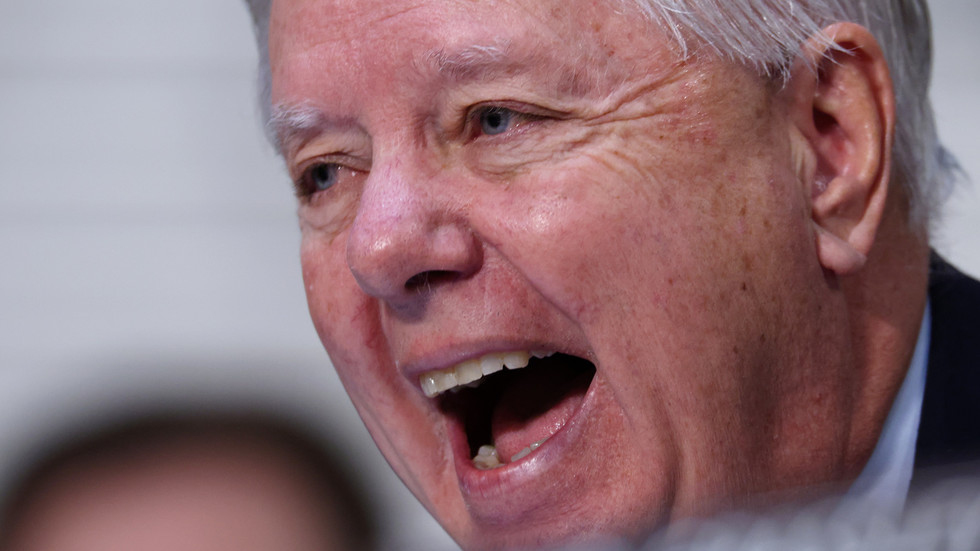
Washington – A recent exchange of pointed remarks between US Senator Lindsey Graham and Iranian Supreme Leader Ayatollah Ali Khamenei has further heightened tensions between the two nations, already strained by ongoing negotiations over Iran’s nuclear program and a significant US military buildup in the region. Graham’s comments, widely perceived as provocative, came in response to Khamenei’s warning regarding the presence of US warships near Iranian waters. The escalating rhetoric underscores the fragility of diplomatic efforts and raises concerns about potential miscalculation, particularly as the Pentagon reportedly presented attack options to former President Donald Trump.
The exchange began after Ayatollah Khamenei, speaking on Tuesday, cautioned against the deployment of US naval forces to the region. He stated that while these warships represent a “dangerous piece of military hardware,” a greater threat lies in “the weapon that can send that warship to the bottom of the sea.” This statement, reported by multiple news outlets, was interpreted as a veiled reference to Iran’s own naval capabilities, including its asymmetric warfare strategies. The context of this warning is the increased US military presence in the Middle East, a move intended to deter Iranian aggression and signal resolve during stalled nuclear talks.
Senator Graham responded on Wednesday with a direct and highly critical message aimed at Khamenei. In a post on X (formerly Twitter), Graham dismissed the Iranian leader’s threats and mocked his person, referencing a line from the 1969 Western film “True Grit.” “Bold talk for a one-eyed fat man,” Graham wrote, adding, “See you at the movies. Oh I forgot, you don’t have movies.” This remark, widely condemned as undiplomatic and disrespectful, drew immediate criticism and fueled further escalation. The reference to the film, while seemingly trivial, was intended as a pointed jab, suggesting a lack of cultural sophistication on the part of the Iranian leader.
A History of Hawkish Stance
Lindsey Graham has long been a vocal critic of Iran and a proponent of a hard-line approach to its nuclear program. His recent comments are consistent with a pattern of increasingly assertive rhetoric towards Tehran. At the Munich Security Conference last week, Graham reportedly likened Khamenei to Adolf Hitler, a comparison that drew sharp condemnation from Iranian officials, and observers. He has likewise repeatedly called for regime change in Iran and advocated for military strikes against Iranian infrastructure, arguing that these measures are necessary to prevent Iran from developing a nuclear weapon. According to reporting from The Jerusalem Post, Graham has warned that Iran’s continued survival could jeopardize the Abraham Accords, the normalization agreements between Israel and several Arab nations.
The Senator’s aggressive stance reflects a broader debate within US foreign policy circles regarding the best approach to Iran. While some advocate for a return to the 2015 Joint Comprehensive Plan of Action (JCPOA), commonly known as the Iran nuclear deal, others, like Graham, believe that a more confrontational strategy is necessary to curb Iran’s regional ambitions and prevent it from acquiring nuclear capabilities. The JCPOA, negotiated during the Obama administration, limited Iran’s nuclear program in exchange for sanctions relief. However, the agreement was abandoned by the Trump administration in 2018, leading to a resurgence of tensions and a rapid escalation of Iran’s nuclear activities.
Military Buildup and Reported Strike Plans
Adding to the already volatile situation is a significant increase in the US military presence in the Middle East. Multiple reports indicate that the Pentagon has deployed additional naval assets, including the USS Abraham Lincoln carrier strike group, to the region. The USS Gerald R. Ford, one of the world’s most advanced aircraft carriers, is reportedly en route to the area, along with additional fighter jets. This buildup is widely seen as a signal of US resolve and a demonstration of its ability to respond to any Iranian aggression.
However, reports emerging from US media suggest that the situation is even more precarious than publicly acknowledged. According to several news outlets, the Pentagon briefed former President Trump on potential military options to strike Iran as recently as February 2026. These options reportedly included a comprehensive air campaign lasting several weeks, aimed at targeting Iranian political and military leaders with the ultimate goal of toppling the government. While Trump reportedly did not make a final decision, the fact that such plans were even considered raises serious concerns about the potential for a military conflict. These reports have not been independently confirmed by the Pentagon.
Diplomatic Efforts and International Reactions
Despite the escalating tensions and hawkish rhetoric, diplomatic efforts to revive the Iran nuclear deal are continuing, albeit at a slow pace. The US and Iran have held two rounds of talks in Geneva, with both sides describing the discussions as “constructive but inconclusive.” Washington is pressing Tehran to accept a new agreement that would impose stricter limits on its nuclear program and address concerns about its ballistic missile program and regional activities. Iran, however, is demanding guarantees that the US will fully adhere to the terms of any new agreement and lift all sanctions imposed by the Trump administration.
The international community is closely monitoring the situation, with many countries urging restraint and calling for a diplomatic solution. Russia, a key player in the Iran nuclear negotiations, has consistently called for all parties to prioritize political and diplomatic engagement. Kremlin spokesman Dmitry Peskov recently urged restraint, emphasizing the need to avoid further escalation amid “unprecedented” tensions. Russian Foreign Minister Sergey Lavrov has also defended Iran’s right to peaceful uranium enrichment under the Nuclear Non-Proliferation Treaty, rejecting US demands for zero enrichment. This position aligns with Iran’s own stance and underscores the complexities of the negotiations.
The Future of US-Iran Relations
The current situation represents a critical juncture in US-Iran relations. The combination of escalating rhetoric, a significant military buildup, and stalled nuclear negotiations creates a dangerous environment where miscalculation could easily lead to a wider conflict. The outcome of the diplomatic efforts will be crucial in determining the future trajectory of the relationship. If a new agreement can be reached, it could help to de-escalate tensions and prevent Iran from developing a nuclear weapon. However, if negotiations fail, the risk of military confrontation will likely increase.
The potential for a military conflict between the US and Iran has far-reaching implications for the region and the world. A war could disrupt global oil supplies, destabilize the Middle East, and potentially draw in other regional powers. The stakes are high, and the need for careful diplomacy and responsible leadership is paramount. The international community must work together to prevent a catastrophic outcome and ensure that the region does not descend into further chaos.
As of February 19, 2026, the situation remains fluid and unpredictable. The next key development to watch will be the outcome of the ongoing diplomatic efforts in Geneva. Further negotiations are expected in the coming weeks, and the success or failure of these talks will likely determine the future course of US-Iran relations. Readers are encouraged to share their thoughts and perspectives on this critical issue in the comments section below.
Keep reading