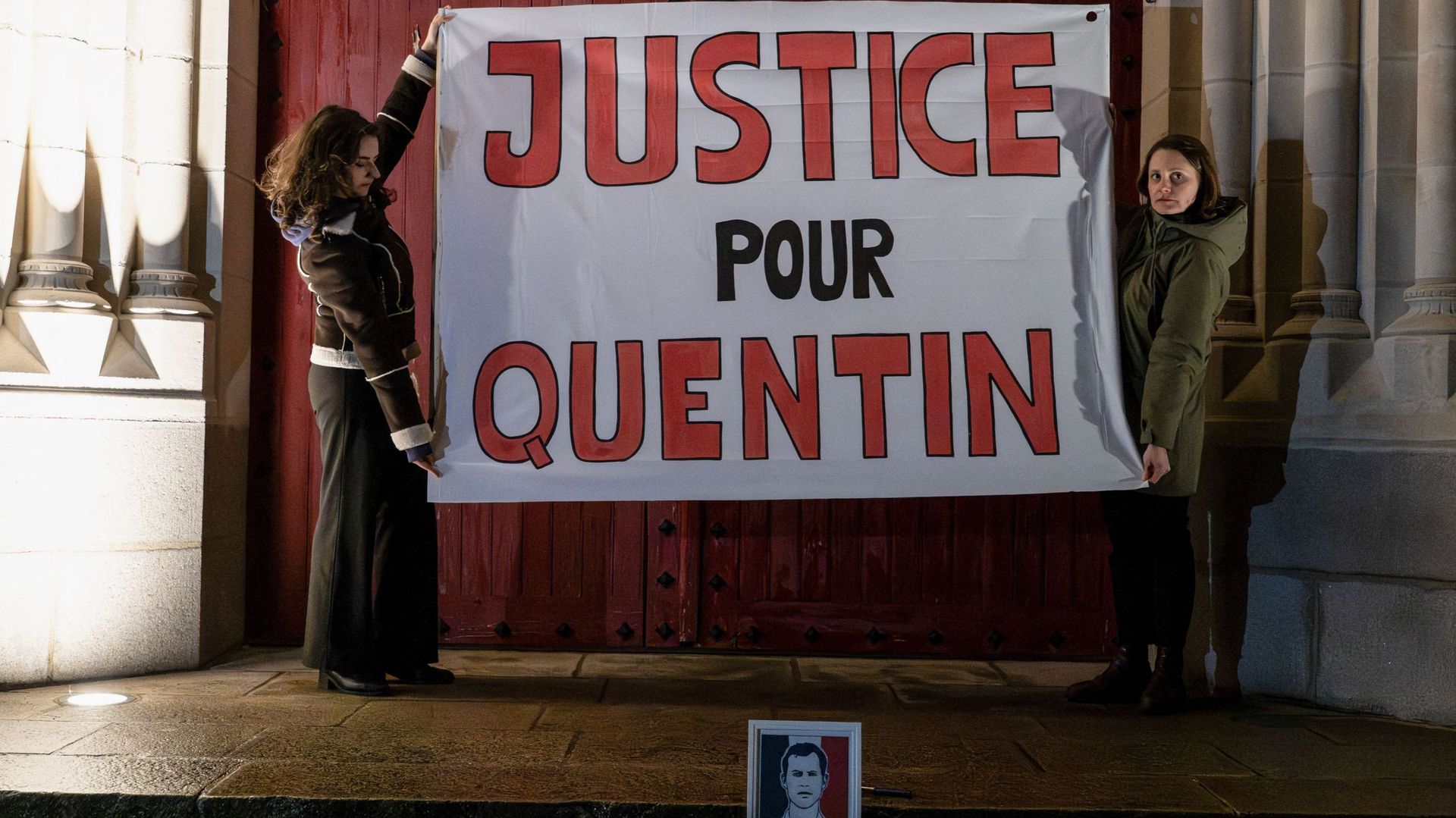
Lyon Mayor Seeks Ban on Far-Right March Following Activist’s Death
Lyon, France – The mayor of Lyon, Grégory Doucet, has requested a ban on a planned march commemorating Quentin Deranque, a 23-year-classic far-right activist who died earlier this month following an assault. The request, made on Thursday, stems from concerns about potential violence and the anticipated presence of extremist groups, according to a statement released by the city hall. The proposed march, scheduled for Saturday, has raised tensions in the city and prompted a security evaluation by local authorities. This comes amid a broader national debate regarding political violence and the rise of extremism in France.
Deranque’s death has ignited a political firestorm, drawing condemnation from across the spectrum while also becoming a rallying point for far-right groups. He succumbed to a severe head trauma sustained during a confrontation on February 12th, which occurred outside a lecture hall at Sciences Po Lyon, during a conference featuring Rima Hassan, a Member of the European Parliament representing La France Insoumise (LFI). Deranque was reportedly providing security for members of the Némésis collective, an identitarian group, who were protesting Hassan’s appearance. The incident has prompted a wide-ranging investigation, resulting in the arrest of eleven suspects, some of whom are linked to figures within the LFI party, further escalating political tensions.
The Incident and the Investigation
The circumstances surrounding Quentin Deranque’s death remain under investigation. According to reports, he was attacked by multiple individuals wearing hoods. RTBF News reported that the attack took place as Deranque and others were attempting to disrupt Hassan’s speech. The investigation has quickly focused on identifying those responsible for the assault and determining the motives behind it.
Eleven individuals have been taken into custody in connection with the incident, including three individuals with ties to Raphaël Arnault, a deputy in the French National Assembly representing LFI. These individuals include Jacques-Elie Favrot, a former intern, and Robin C., known as Robin Michel within the Palais-Bourbon (the French Parliament), who served as an assistant to Arnault. RTBF News also reported that some of those arrested are listed on “fiche S” files – records maintained by French intelligence services identifying individuals potentially dangerous to national security. The presence of individuals on these lists has raised further concerns about the potential for escalating political violence.
Mayor’s Concerns and Potential Ban
Mayor Doucet’s request to ban the march is based on a perceived threat of widespread disorder and the potential for clashes between far-right groups and counter-protesters. In a statement, the city hall cited fears of “militants from the extreme right coming from all over France and neighboring countries” and referenced “threats against elected officials and damage to parliamentary offices.” The mayor believes that prohibiting the demonstration is “the only responsible decision” to maintain public order and safety. The prefecture of Rhône and the police are currently assessing the risks associated with the march, considering both the safety of participants and the broader public, before making a final decision on whether to authorize or prohibit it.
The decision to potentially ban the march highlights the delicate balance between freedom of expression and the necessitate to maintain public order. While the right to protest is enshrined in French law, authorities have the power to restrict demonstrations if they pose a credible threat to public safety. The situation in Lyon reflects a broader trend in France, where political polarization is increasing and the potential for violence is growing. The government has been under pressure to address the rise of extremism and to protect elected officials from intimidation and violence.
Political Fallout and National Debate
Quentin Deranque’s death has sparked a national debate about political violence and the role of extremist groups in French society. The incident has drawn criticism from both the left and the right, with many calling for a thorough investigation and for those responsible to be brought to justice. Italian Prime Minister Giorgia Meloni has also weighed in on the situation, criticizing French President Emmanuel Macron’s response to the incident. According to The European Conservative, Meloni accused Macron of failing to adequately address the issue of political violence and of downplaying the threat posed by extremist groups.
The controversy surrounding Deranque’s death also comes amid heightened scrutiny of the LFI party and its leader, Jean-Luc Mélenchon. The involvement of individuals linked to the party in the investigation has raised questions about their potential connections to extremist groups and their commitment to democratic values. The LFI has denied any involvement in the attack and has condemned all forms of violence. However, the incident has fueled criticism from opponents, who accuse the party of fostering a climate of intolerance and extremism. The French government, led by President Macron, is facing increasing pressure to take a firm stance against extremism and to protect democratic institutions from threats.
Security Measures and Future Protests
As the date of the potential march approaches, security measures in Lyon are being stepped up. Police are preparing for the possibility of clashes between far-right groups and counter-protesters, and are coordinating with local authorities to ensure public safety. The prefecture of Rhône has indicated that This proves taking the threat seriously and is prepared to deploy additional resources if necessary. The outcome of the security evaluation will determine whether the march will be allowed to proceed, and if so, under what conditions.
Regardless of the decision regarding the march, the events in Lyon are likely to have a lasting impact on the political landscape in France. The incident has exposed deep divisions within French society and has raised concerns about the potential for escalating political violence. The government is facing increasing pressure to address the root causes of extremism and to promote a more inclusive and tolerant society. The coming weeks and months will be crucial in determining whether France can overcome these challenges and maintain its commitment to democratic values.
The next development in this case will be the decision by the prefecture of Rhône regarding the authorization of the planned march. This decision is expected within the next 24-48 hours. Further updates on the investigation into Quentin Deranque’s death will also be released as they grow available. Readers are encouraged to follow local news sources for the latest information.
What are your thoughts on the situation in Lyon? Share your comments below and let us grasp what you think.
Worth a look