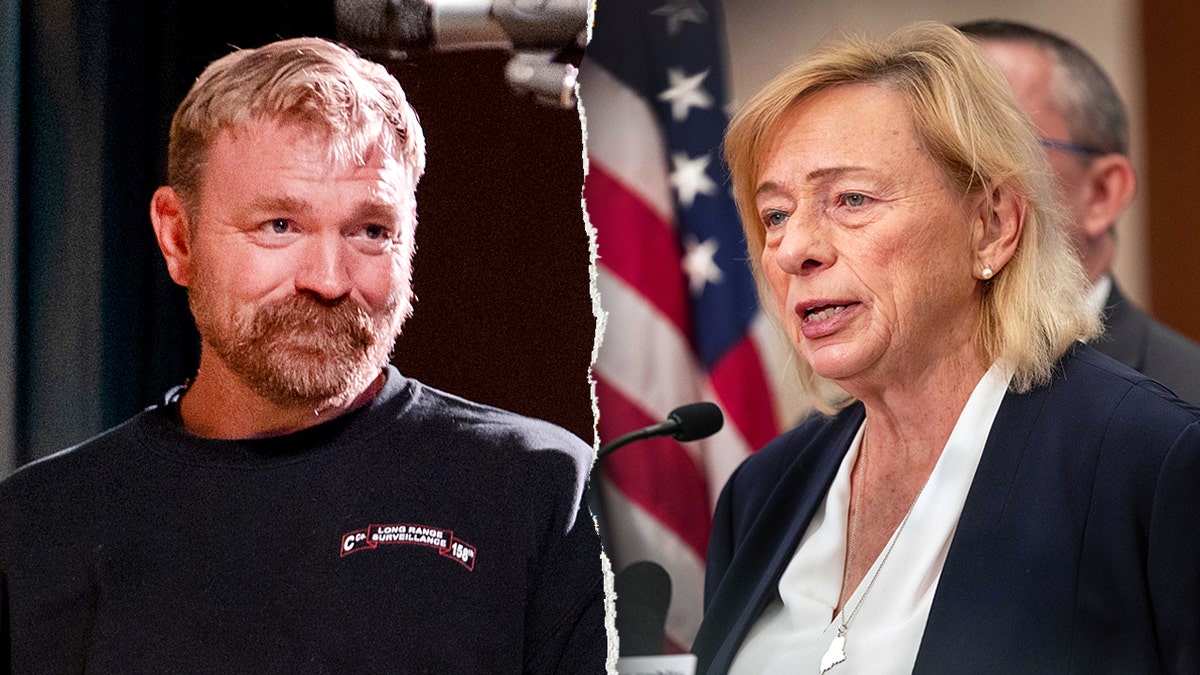
Maine political candidate Graham Platner has confirmed plans to shift his campaign strategy toward an overtly negative focus against incumbent Senator Susan Collins. The shift follows a series of public appearances in which the challenger adopted a populist, anti-billionaire rhetoric, signaling a departure from traditional state-level campaign discourse in the lead-up to the Maine primary.
Platner, who is vying for the Democratic nomination, has increasingly aligned his platform with progressive figures, specifically echoing calls for significant wealth redistribution and structural changes to campaign finance laws. According to public records and local reports, the campaign’s pivot toward a more aggressive stance against Senator Collins—a moderate Republican—marks a tactical escalation intended to energize the party’s base ahead of the upcoming electoral cycle.
Shifting Strategy: The Pivot to Negative Campaigning
The move to target Senator Collins directly with a negative campaign reflects a broader trend in high-stakes Senate races, where candidates often struggle to gain media traction without aggressive confrontation. Platner’s recent rhetoric, which has included calls for the imprisonment of billionaires to address perceived corruption in campaign finance, has drawn sharp criticism from opponents and scrutiny from political analysts.
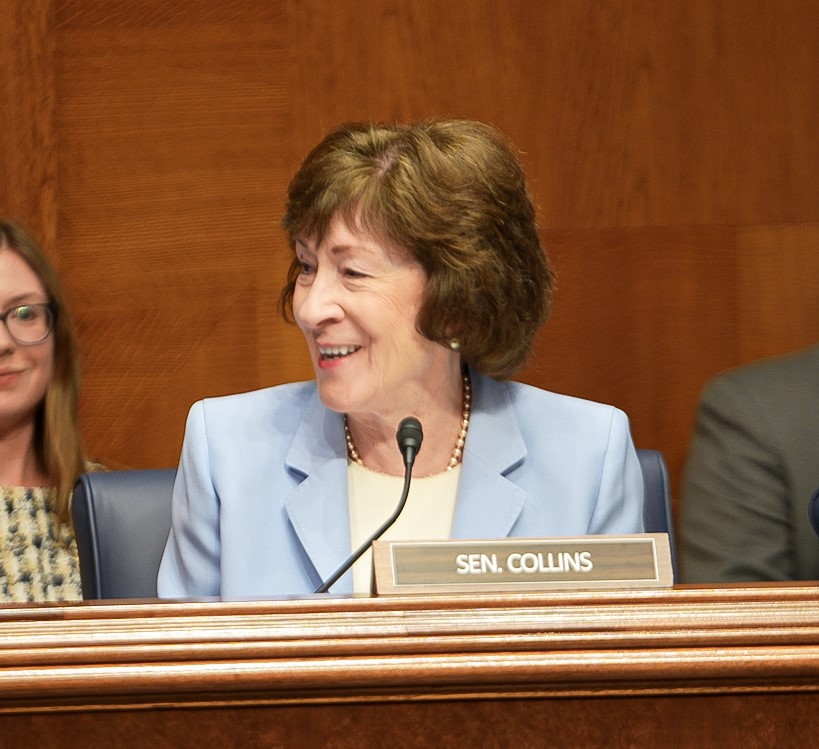
While the strategy is designed to create a distinct contrast between the two candidates, it carries inherent risks. Historical data on Maine elections, provided by the Maine Secretary of State’s office, suggests that the state’s electorate often favors candidates who emphasize local issues over nationalized, combative rhetoric. By focusing on the wealth gap and national political figures rather than specific state-based policy concerns, Platner is attempting to redefine the parameters of the race entirely.
Populist Rhetoric and the Progressive Platform
At the core of Platner’s campaign is an explicitly anti-billionaire message. During recent rallies, he has frequently stated that extreme wealth accumulation is inherently tied to unethical conduct, a sentiment he has framed as a central pillar of his legislative agenda. This messaging mirrors the policy positions held by progressive lawmakers like Representative Alexandria Ocasio-Cortez, who has long advocated for higher corporate tax rates and stricter regulations on capital gains.
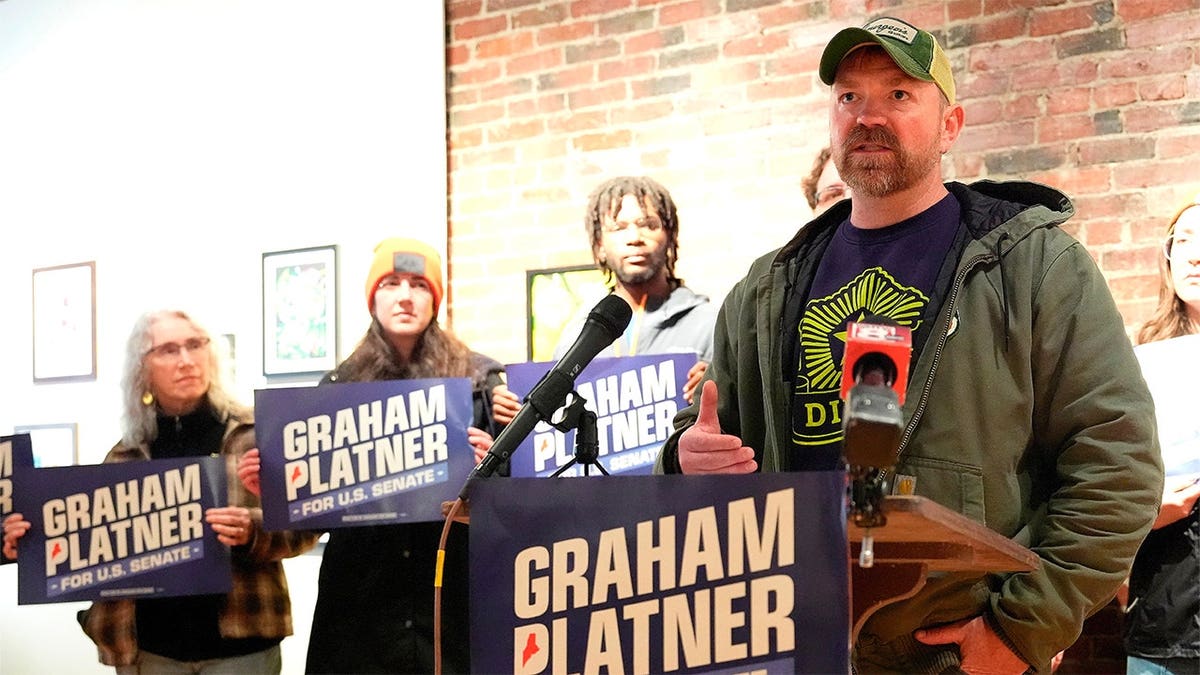
However, the feasibility of these proposals remains a point of contention. Legal scholars and economists note that the mechanisms required to implement such changes are complex and would face significant hurdles in the U.S. Senate. According to an analysis by the Tax Policy Center, any major overhaul of wealth taxation would require sweeping bipartisan support—a rarity in the current legislative environment—and would likely face immediate challenges in federal courts regarding constitutional limitations on direct taxation.
The Impact of Campaign Finance Rhetoric
Platner’s rhetoric regarding campaign finance has also extended to direct jabs at former President Donald Trump and other national political figures. By framing the current electoral system as fundamentally “rigged,” the campaign aims to mobilize younger, disenfranchised voters who feel disillusioned by traditional political processes.
Despite the intensity of this messaging, the impact on voter turnout remains to be seen. In previous election cycles, negative campaigning has been shown to both mobilize and alienate potential voters. According to the Pew Research Center, voters are increasingly polarized, with high levels of distrust toward both political institutions and individual candidates. Whether Platner’s strategy succeeds in converting this cynicism into a primary win remains the primary question for political observers in Maine.
Looking Ahead: Primary Milestones
As the Maine primary approaches, the campaign will likely face increased pressure to provide concrete details on how its proposed policies would be funded and implemented. The next major checkpoint for the race will be the upcoming candidate filing deadlines and the subsequent release of campaign finance reports, which will offer a clearer picture of the financial support backing Platner’s aggressive strategy.

Voters seeking official information regarding the candidates, election dates, and polling locations can visit the Maine Department of the Secretary of State’s voter information portal. The portal provides the most accurate, non-partisan resources for participating in the democratic process. We encourage readers to share their thoughts and engage in the discussion below as the election season continues.
Related reading