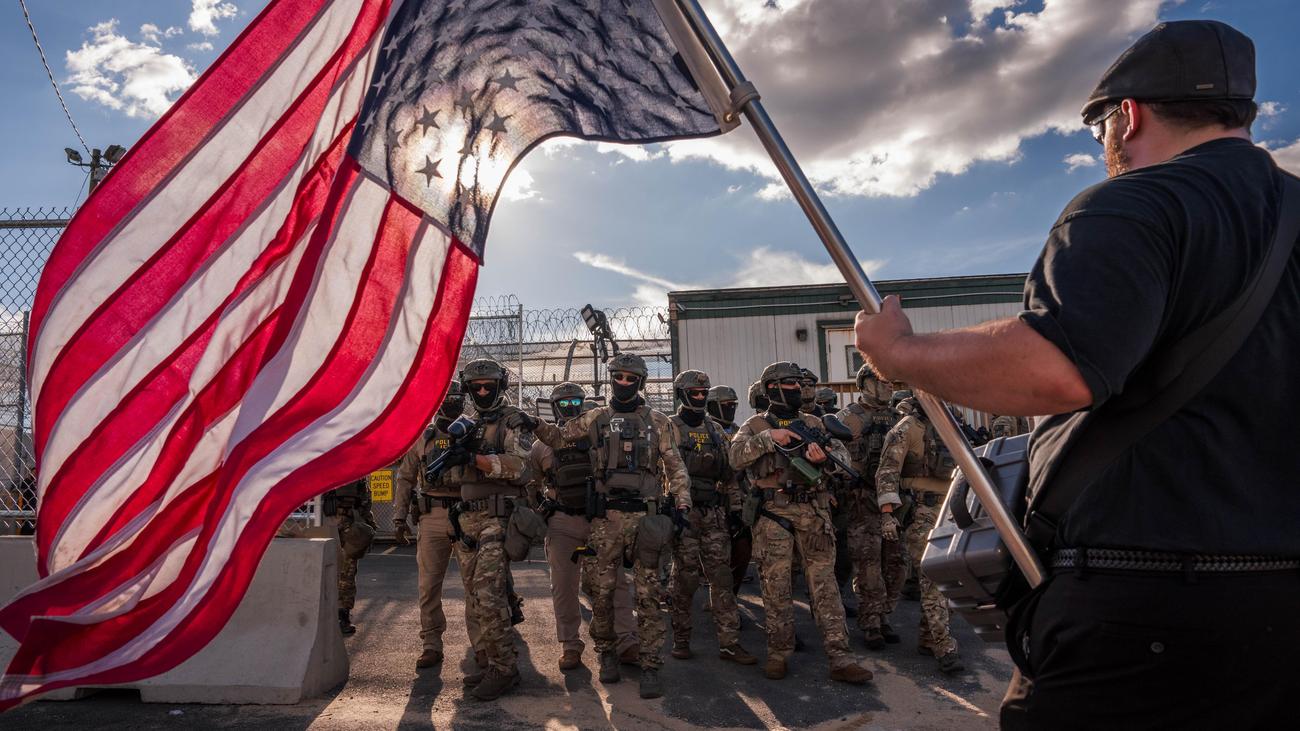
The United States Congress has moved to finalize a funding package that includes approximately $70 billion allocated toward border security and immigration enforcement measures, a significant legislative development under the current administration. This fiscal appropriation, which faced intense scrutiny and opposition from Democratic lawmakers, is intended to bolster the infrastructure and operational capacity of U.S. Customs and Border Protection (CBP) and Immigration and Customs Enforcement (ICE). According to official legislative records, the funding is earmarked for a combination of physical barriers, surveillance technology, and the administrative expansion required to carry out intensified deportation protocols.
The allocation represents a central pillar of the administration’s broader strategy to manage migration flows and enforce federal immigration law. While supporters argue the funding is essential for maintaining national security and border integrity, critics point to the humanitarian and logistical challenges associated with large-scale removal operations. The legislative debate reflects a deepening divide in Washington regarding the balance between strict enforcement policies and the existing federal immigration framework, as detailed in recent Congressional budget reports.
Legislative Context and Funding Allocation
The $70 billion figure is part of a broader omnibus spending bill designed to address various federal agency requirements, with a specific, high-priority designation for the Department of Homeland Security (DHS). According to documentation from the Department of Homeland Security’s fiscal year budget overview, these funds are directed toward several distinct areas: the construction of new wall segments, the deployment of advanced sensor arrays, and the hiring of additional personnel for detention and processing facilities. The bill’s passage follows a series of high-level negotiations between congressional leadership and executive branch officials tasked with executing the administration’s policy agenda.
Democratic members of Congress had initially sought to restrict the use of these funds, specifically attempting to place conditions on the implementation of mass deportation programs. However, legislative maneuvering in both the House and the Senate resulted in the removal of several restrictive riders, allowing the administration greater flexibility in how the $70 billion is deployed. This outcome underscores the current power dynamics on Capitol Hill, where the administration has leveraged its influence to prioritize border security spending over competing legislative priorities.
Operational Impact on Immigration Enforcement
The influx of capital is expected to significantly increase the operational tempo of federal immigration authorities. For practitioners in the field, this means a shift in how detention centers are managed and how removal proceedings are prioritized. As reported by the Pew Research Center, the scale of current enforcement activities requires substantial logistical support, including transportation, legal processing, and secure housing. The new funding provides the necessary budgetary cushion to scale these operations in alignment with the administration’s stated goals of increasing the number of individuals processed and removed from the country.

Furthermore, the funding package includes provisions for the acquisition of new surveillance technology, including autonomous drones and AI-driven monitoring systems. The Government Accountability Office (GAO) has previously noted that the effectiveness of such technology depends heavily on the integration of field data with administrative decision-making systems. The administration asserts that this investment will act as a force multiplier, allowing a smaller number of agents to monitor larger sections of the border more effectively.
Stakeholder Perspectives and Public Debate
The debate surrounding this funding has mobilized various advocacy groups and professional organizations. On one side, groups advocating for stricter border control, such as the Federation for American Immigration Reform (FAIR), maintain that the funding is a necessary step toward restoring the rule of law. Conversely, organizations like the American Civil Liberties Union (ACLU) have criticized the expenditure, arguing that it diverts resources from addressing the root causes of migration and may lead to systemic due process violations, as outlined in their recent position papers on border policy.
The economic implications of this spending are also under analysis. Economists are monitoring whether the $70 billion appropriation will influence regional labor markets near the border or impact federal deficit projections for the upcoming fiscal year. Because the funding is categorized as discretionary spending, it is subject to ongoing oversight by the House and Senate Appropriations Committees. These committees are expected to hold hearings in the coming months to review the initial disbursement of funds and evaluate the administration’s progress in meeting its stated border security milestones.
Future Developments and Oversight
Looking ahead, the next significant checkpoint for this funding will be the quarterly expenditure report due to be submitted to Congress by the Department of Homeland Security. This report will provide the first concrete data on how the funds are being partitioned between physical infrastructure and personnel-heavy enforcement programs. Legislative observers expect that the upcoming mid-session budget review will serve as the primary venue for further debate on whether the administration’s strategy is achieving its intended results.
For those tracking the impact of these policies, official updates, court filings, and agency advisories remain the most reliable sources of information. As the administration moves into the implementation phase, the focus will likely shift from the legislative process to the practical realities of border management and the legal challenges that may arise in federal court. Readers are encouraged to monitor the official Congress.gov website for updates on subsequent appropriations and to share their thoughts on the economic and social implications of these developments in the comments section below.