
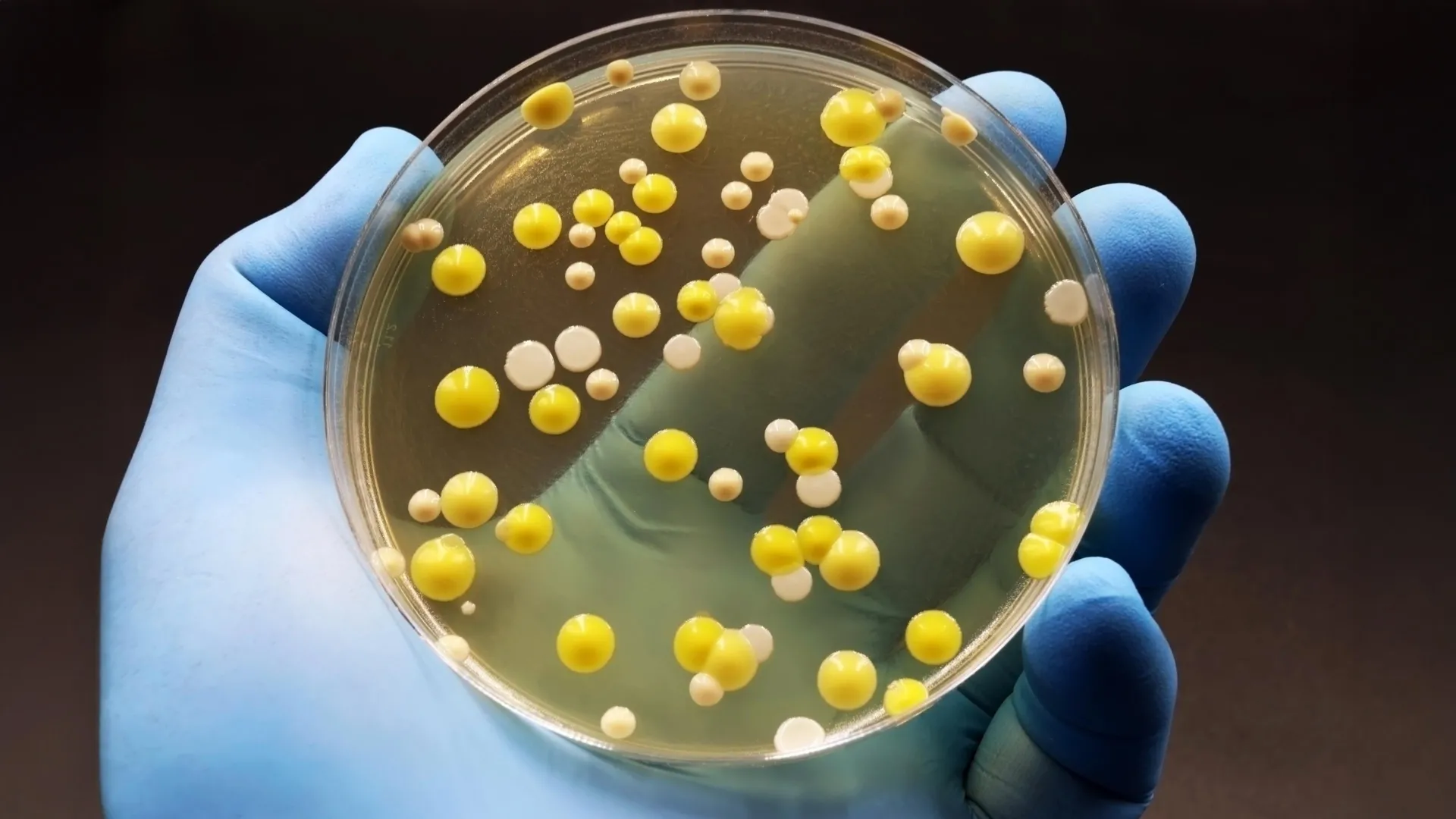
Graphene oxide has emerged as a promising tool in the fight against antibiotic-resistant bacteria, demonstrating the ability to destroy harmful microbes while leaving human cells unharmed. This selective action stems from its interaction with specific components found only in bacterial membranes, offering a potential alternative to conventional antibiotics that are increasingly ineffective against drug-resistant strains.
Research indicates that graphene oxide’s antibacterial properties are not only potent but also durable, maintaining effectiveness even after repeated washing—a feature that could make it valuable for medical textiles, wound dressings, and implant coatings. These findings reach at a time when antimicrobial resistance poses a growing threat to global health, with the World Health Organization warning that common infections could once again become untreatable without new interventions.
The material’s mechanism involves physical disruption of bacterial cell membranes rather than biochemical pathways, which reduces the likelihood of resistance development. Studies have shown that graphene oxide can compromise the integrity of membranes in pathogens such as Staphylococcus aureus and Escherichia coli, leading to leakage of cellular contents and eventual cell death, while mammalian cells remain unaffected due to differences in membrane composition.
How Graphene Oxide Targets Bacteria Selectively
The selectivity of graphene oxide lies in its affinity for negatively charged molecules prevalent in bacterial membranes, such as phosphatidylglycerol and cardiolipin, which are less abundant in human cells. This electrostatic attraction allows the material to accumulate on bacterial surfaces, where its sharp edges can physically pierce the membrane—a process likened to a “nanoscale knife.”
Unlike antibiotics that rely on entering the cell to interfere with internal processes, graphene oxide acts externally, minimizing opportunities for bacteria to evolve resistance. This mode of action has been validated in laboratory settings against multidrug-resistant strains, including methicillin-resistant Staphylococcus aureus (MRSA), suggesting potential utility in healthcare settings where such infections are prevalent.
Importantly, cytotoxicity assays confirm that human cells—including fibroblasts and keratinocytes involved in wound healing—show minimal adverse effects even at concentrations that are lethal to bacteria. This biocompatibility supports exploration of graphene oxide for topical applications, where direct tissue contact is inevitable.
Applications in Wound Healing and Medical Devices
Beyond its antimicrobial effects, graphene oxide has been observed to promote faster wound healing in preclinical models. Researchers attribute this dual benefit to its ability to reduce bacterial load while simultaneously modulating inflammatory responses and supporting tissue regeneration. In animal studies, dressings infused with graphene oxide demonstrated accelerated closure of infected wounds compared to standard gauze.

The material’s stability under washing conditions also raises prospects for reusable medical fabrics. Surgical gowns, masks, and bed linens treated with graphene oxide coatings could retain antibacterial properties through multiple laundering cycles, reducing the risk of healthcare-associated infections without contributing to environmental waste from single-use items.
However, long-term safety and degradation profiles remain under investigation. While short-term studies show low toxicity, researchers emphasize the need for further evaluation of chronic exposure, particularly regarding potential accumulation in organs or interference with cellular functions over extended periods.
Challenges and Future Directions
Despite promising laboratory results, translating graphene oxide from bench to bedside involves overcoming several hurdles. Scalability of production, uniformity of material quality, and regulatory pathways for nanomaterial-based medical products are active areas of focus. Currently, no graphene oxide-based antimicrobial product has received approval from major regulatory bodies such as the U.S. Food and Drug Administration or the European Medicines Agency.
Ongoing research aims to optimize the material’s form—whether as flakes, powders, or integrated into polymer matrices—to maximize efficacy while ensuring safety. Collaborative efforts between materials scientists, microbiologists, and clinicians are underway to assess real-world performance in clinical environments.
Experts caution that while graphene oxide represents an innovative approach, it is unlikely to replace antibiotics entirely but could serve as a complementary strategy, particularly for prophylaxis or topical treatment. As with any emerging technology, rigorous clinical trials will be necessary to establish both effectiveness and safety in human populations.
For now, the scientific community continues to study graphene oxide’s interactions with biological systems, guided by the principle that any antimicrobial advancement must balance potency with biocompatibility. Updates on ongoing trials and safety assessments are expected from peer-reviewed journals and institutional repositories in the coming months.
Readers interested in following developments in antimicrobial innovation can refer to updates from the World Health Organization’s antimicrobial resistance program or the National Institutes of Health’s Nanotechnology Characterization Laboratory for verified, science-based information.