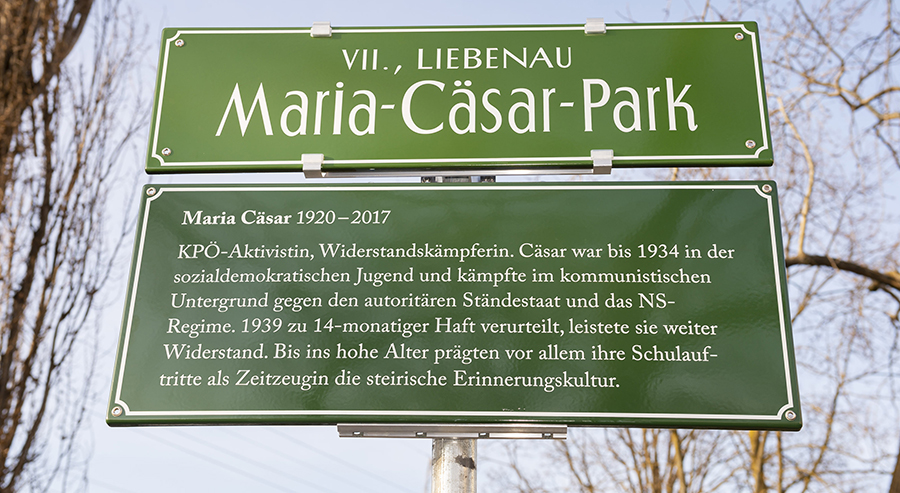
GRAZ, Austria — The street signs that guide daily life in one of Europe’s most historic cities are about to tell a much more complex story. In a move that signals a significant shift in how urban spaces reflect historical memory, the City of Graz has officially released the full, long-form version of the final report from its expert commission for street names.
For decades, the nomenclature of Graz—like many European cities—has served as a silent map of the dominant historical narratives of the past. However, the newly published findings from the Expert:innenkommission für Straßennamen (Expert Commission for Street Names) suggest that the city’s urban landscape is due for a period of profound reflection. The report aims to make history “visible” in the urban space, not merely by preserving the old, but by critically examining who has been honored and who has been omitted from the city’s public identity.
This release marks a milestone in the city’s effort to align its physical geography with contemporary values of inclusivity, historical accuracy and social diversity. As the full text becomes available to the public, it sets the stage for a potentially transformative period of renaming, contextualizing, and new designations across the Graz metropolitan area.
Re-evaluating the Urban Map: The Mandate of the Commission
The initiative to review the street names of Graz was born from a growing recognition that public spaces are never neutral. Every street name acts as a form of commemoration, a way for a society to signal which figures and events it deems worthy of permanent respect. The expert commission was tasked with a rigorous mandate: to evaluate the existing naming conventions and provide a roadmap for a more representative urban history.
The commission, composed of historians, urban planners, and legal experts, did not merely look for “problematic” figures. Instead, their work focused on the broader concept of historical visibility. This involves identifying gaps where significant historical contributions—particularly those from marginalized groups, women, or diverse cultural backgrounds—have been overlooked in the naming of the city’s thoroughfares. The goal is to move away from a monolithic view of history toward a multi-layered understanding of the city’s evolution.
By releasing the full version of the report, the City of Graz is inviting a transparent dialogue between the administration and its citizens. This transparency is essential, as the recommendations within the document will likely touch upon sensitive historical topics and personal identities tied to specific neighborhoods and landmarks.
Making History Visible: Beyond the Surface of Street Signs
The core philosophy driving the report is the idea that a city’s streets should function as a living archive. When a city “makes history visible,” it is engaging in a process of active remembrance. This process often involves two distinct but related actions: the correction of historical inaccuracies and the expansion of the historical record.
In many instances, street names were established during eras when certain political or nationalistic ideologies were dominant. These names can inadvertently uphold outdated or controversial perspectives. The commission’s work explores how to address these names—whether through renaming, adding explanatory plaques to provide context, or integrating new names that balance the historical scale. This approach avoids the pitfalls of “erasure” by focusing instead on “addition” and “contextualization.”
This methodology mirrors a global trend in urban management. From major metropolitan areas in North America to historical centers in Western Europe, cities are increasingly grappling with how to reconcile their physical heritage with modern democratic values. The Graz report positions the city as a proactive participant in this global conversation about urban semiotics and public memory.
Key Findings and the Path to Implementation
While the full report contains extensive technical and historical analysis, its implications for the citizens of Graz are clear. The commission has identified several key areas for action, ranging from the immediate need for new street names in developing districts to the long-term reconsideration of names associated with controversial historical epochs.
The report emphasizes that the process of changing or adding names is not merely an administrative task but a civic one. It requires a delicate balance between respecting the heritage of existing residents and acknowledging the necessity of historical progress. The findings suggest that a successful implementation will require:
- Nuanced Contextualization: Using signage and digital resources to explain the history behind names, especially those that are subject to debate.
- Diversified Honoring: Actively seeking out and proposing names of individuals who have made significant contributions to science, culture, and social justice but have been historically underrepresented.
- Community Engagement: Ensuring that the naming process involves local stakeholders to minimize social friction and maximize local relevance.
The City of Graz administration will now take these recommendations into the political sphere. The next phase of this process involves the municipal government reviewing the commission’s findings to determine which recommendations can be integrated into official city policy and urban planning.
Key Takeaways of the Graz Report
| Focus Area | Primary Objective |
|---|---|
| Historical Accuracy | Ensuring names align with verified historical facts and modern understandings. |
| Representation | Increasing the visibility of women, minorities, and diverse cultural contributors. |
| Urban Context | Integrating names that reflect the specific character and history of new districts. |
| Public Dialogue | Creating a transparent framework for citizen participation in naming processes. |
The Global Context of Urban Memory
The work being done in Graz is far from an isolated local event. It is part of a broader, international movement where cities are re-examining their “monumental landscapes.” As societies become more interconnected and aware of diverse historical perspectives, the names etched into stone and metal in public squares are being scrutinized with new eyes.

In recent years, we have seen similar debates in cities like London, Washington D.C., and Paris. These discussions often center on the tension between preserving tradition and correcting historical injustices. The Graz approach, characterized by the use of an expert commission and a focus on “visibility” rather than just “removal,” offers a model for how mid-sized European cities can navigate these complexities with academic rigor and civic sensitivity.
By treating street names as essential components of a city’s identity, Graz is acknowledging that the way we navigate our physical world is inextricably linked to how we understand our collective past. This process of making history visible is, an act of strengthening the democratic fabric of the city by ensuring that all citizens can see their history reflected in the streets they walk every day.
Next Steps: The findings of the commission will now be submitted to the Graz City Council for political deliberation. The council is expected to discuss the feasibility of the report’s recommendations in upcoming legislative sessions, which will determine the timeline for any potential street name changes or new designations.
What do you think about the renaming of streets to reflect a more diverse history? Is it a necessary step for modern cities, or does it risk erasing important traditions? Share your thoughts in the comments below and share this article with your network.
Worth a look