## Greek Farmers’ protests: A Deep Dive into Road Blockades and Agricultural Discontent (December 2025)
The agricultural landscape of Greece is currently experiencing meaningful upheaval,as farmers nationwide intensify protests against economic pressures and delayed financial support. As of December 3rd, 2025, at 01:02:22, widespread road blockades are disrupting transportation networks, highlighting a growing crisis within the nation’s farming community. This isn’t simply a localized issue; it reflects a broader trend of agricultural unrest seen across Europe, fueled by rising input costs, climate change impacts, and bureaucratic delays in subsidy distribution.The core of the discontent revolves around the timely receipt of crucial financial aid, impacting the livelihoods of those who feed the nation.
### Understanding the Roots of the Protests
The current wave of demonstrations isn’t spontaneous. it’s the culmination of months of mounting frustration among Greek farmers. Specifically, they are demanding the immediate disbursement of funds from two key agricultural agencies: ELGA (Hellenic Agricultural Insurance Organization) and OPEKEPE (Payment and Control Agency for Single Payments).These organizations are responsible for providing essential subsidies and compensation for losses incurred due to adverse whether events and market fluctuations.
Did You Know? According to a recent report by the Hellenic Statistical Authority (ELSTAT) released November 28th, 2025, the average income of Greek farmers has decreased by 15% in the last year, largely due to increased fertilizer and energy costs.
The protests aren’t limited to financial demands. Farmers are also seeking full compensation for crop and livestock losses, a particularly sensitive issue given the increasing frequency of extreme weather events in the region. Greece, like much of the Mediterranean, is facing more intense heatwaves, droughts, and floods – all of which decimate harvests and threaten animal welfare. The situation is exacerbated by the rising cost of essential agricultural inputs, such as fertilizers, pesticides, and animal feed, driven by global supply chain disruptions and geopolitical instability. This creates a perfect storm of economic hardship for those working the land.
### Disrupted Routes and Demonstrative actions
The impact of the protests is being felt across Greece.Major transportation arteries, including the E65 motorway and the vital Athens-Thessaloniki highway, are currently obstructed by stationary tractors and protesting farmers. These blockades are strategically positioned at key junctions, causing significant delays for commuters and disrupting the flow of goods.
Pro Tip: If you are traveling in Greece, especially through agricultural regions, check for road closures and alternative routes before you depart. The Greek Ministry of Infrastructure and Transport provides real-time traffic updates on its website and through its mobile app.
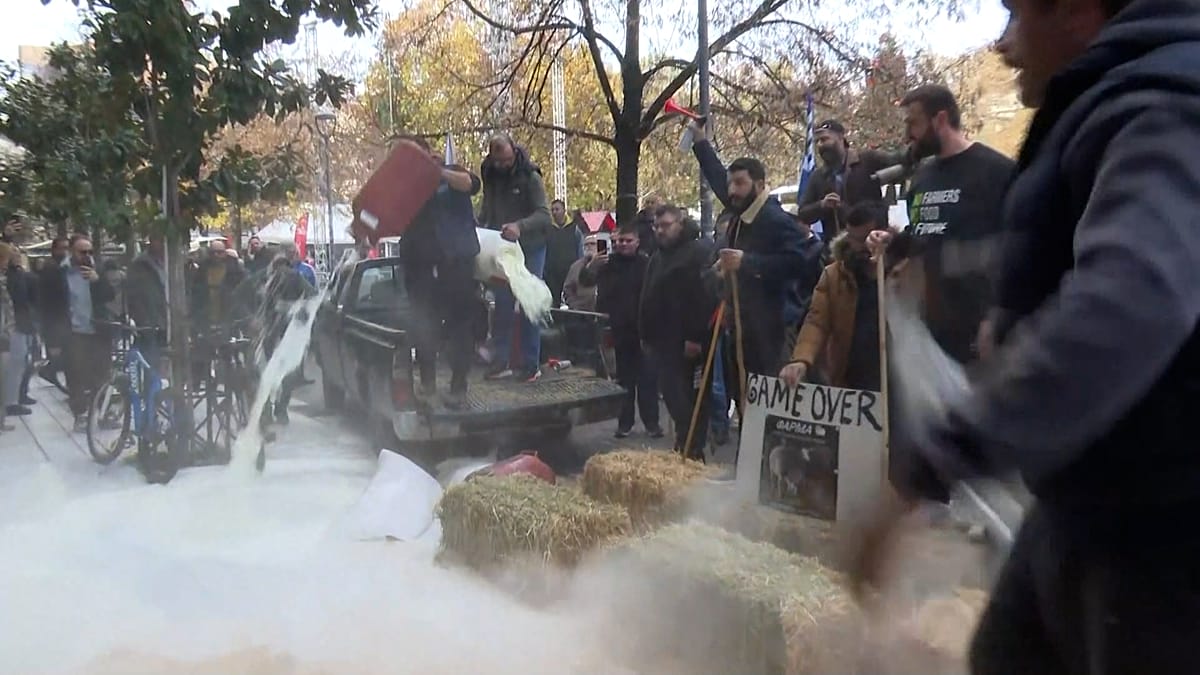
Beyond road blockades, the protests have taken more demonstrative forms. In Larissa, a significant agricultural hub in Thessaly, livestock farmers drove their animals into the city center, a powerful visual statement of their desperation. They proceeded to discard milk and wheat – symbolic representations of their livelihoods – as a direct rebuke of government policies. This act,while disruptive,underscores the depth of their frustration and the perceived lack of responsiveness from authorities. Similar actions, though less widespread, have been reported in other regions, including Crete and the Peloponnese.
### ELGA and OPEKEPE: The Agencies Under Scrutiny
The demands directed towards ELGA and OPEKEPE are multifaceted. Farmers allege significant delays in receiving payments for damages caused by hailstorms, floods, and other natural disasters. The bureaucratic processes involved in claiming compensation are frequently enough perceived as cumbersome and inefficient, adding to the financial strain on already struggling farms.
OPEKEPE, responsible for distributing Common Agricultural Policy (CAP) subsidies, is facing criticism for similar delays. The CAP, a cornerstone of EU agricultural policy, aims to support farmers and ensure food security. However, the timely and effective implementation of CAP programs in Greece has been a long-standing challenge. Recent audits by the European Court of Auditors have highlighted deficiencies in Greece’s management of CAP funds,further fueling farmer discontent.
Strategic Question: Do you think the current CAP framework adequately addresses the needs of small and medium-sized farms in Greece, or are significant reforms needed?
### Escalation and Future Outlook
The protests are showing no signs of abating. Actually, organizers