Vienna is a city defined by its harmony—from the precision of its orchestras to the quiet ritual of its coffeehouses. But this week, as the 70th Eurovision Song Contest takes center stage, that harmony is being interrupted by the discordant sounds of political unrest. The Eurovision 2026 protests Vienna has seen since the arrival of delegations have transformed the Austrian capital into a flashpoint for global tensions, proving once again that the world’s most glitzy musical competition is rarely just about the music.
From May 12 to 16, the city is hosting thousands of fans and officials for an event that serves as both a cultural celebration and a geopolitical mirror. The contest arrives in Vienna following the victory of Austrian sopranist Johannes “JJ” Pietsch in Basel, Switzerland, last year. While the city has prepared a lavish welcome for the expected 80,000 guests, the atmosphere on the ground is fraught. The celebration of song is currently competing with a wave of demonstrations and counter-protests, primarily centered on the participation of Israel.
The tension is not confined to the streets or the arena. It has seeped into the remarkably fabric of the city’s hospitality. In an effort to blend the contest with local tradition, the ORF—Austria’s public broadcaster and the organizer of this year’s event—partnered with the association of Viennese coffeehouse owners to create “Eurofan Cafés.” The concept was simple: local establishments would “adopt” participating countries, tailoring their menus and cultural programs to welcome specific delegations and their supporters. However, this gesture of inclusivity quickly became a lightning rod for controversy.
The Battle of the Coffeehouses
Vienna’s coffeehouse culture is more than just a business model; it was enshrined as an intangible cultural heritage by UNESCO in 2011. By integrating the Eurovision Song Contest into these spaces, the ORF sought to showcase Austrian heritage to a global audience. Yet, the process of assigning countries to cafés revealed a deep-seated anxiety regarding the current political climate. Initially, no cafés volunteered to adopt Israel, leaving it as the only competing country without a designated home in the city.
This omission did not go unnoticed. The situation highlighted the divide between the contest’s official stance of political neutrality and the visceral reactions of the local population and visiting activists. Eventually, Kantine—a café and bar located in the Museumsquartier—stepped forward to fill the void. Run by 59-year-old Lisa Wegenstein, Kantine has been a local staple for 23 years. Since May 4, the establishment has displayed a purple-and-blue Eurovision sticker flanked by Israeli flags, signaling its role as a sanctuary for Israeli fans.
Wegenstein’s decision to host the Israeli delegation has not been without risk. In a city currently swirling with protests, the act of displaying a flag has become a political statement. While the café has added traditional dishes like shakshuka to its menu to celebrate the culture, the owner has expressed concerns about the potential for backlash. This micro-conflict within the Museumsquartier mirrors the larger struggle occurring across Vienna, where the act of participation in the contest is being weighed against the geopolitical actions of the participating states.
Protests and the Paradox of Neutrality
The demonstrations in Vienna are not isolated incidents but part of a broader movement criticizing Israel’s involvement in the contest. Protesters have gathered to argue that allowing Israel to compete provides a platform for the nation to project an image of a “democratic and peaceful” state, which they claim is contradicted by its government’s actions and alleged crimes. These demonstrations often clash with counter-protests, creating a volatile environment for security forces and tourists alike.
The core of the conflict lies in the Eurovision Song Contest’s long-standing “non-political” rule. The European Broadcasting Union (EBU) maintains that the event is a non-political music competition. However, the very nature of the contest—where nations are represented by flags and anthems—makes absolute neutrality an impossibility. When a country is embroiled in a high-profile international conflict, its presence on the Eurovision stage is viewed by many not as a musical contribution, but as a political endorsement.
For the representative of Israel, Noam Bettan, this means performing under a microscope. Bettan’s appearance at the Turquoise Carpet during the Opening Ceremony on May 10 was met with a mixture of support and intense scrutiny. The pressure on artists in these situations is immense, as they are often cast as ambassadors for their governments, regardless of their personal political views or the lyrical content of their songs.
The Global Impact of a Local Event
What is happening in Vienna is a reflection of a growing trend in international sports and arts. From the Olympics to the World Cup, the “neutrality” of the arena is being challenged by a global public that increasingly demands moral accountability from participating nations. The Eurovision 2026 protests Vienna has witnessed are an extension of this shift. The contest is no longer just a competition of vocals and choreography; it is a venue for diplomatic signaling and public dissent.

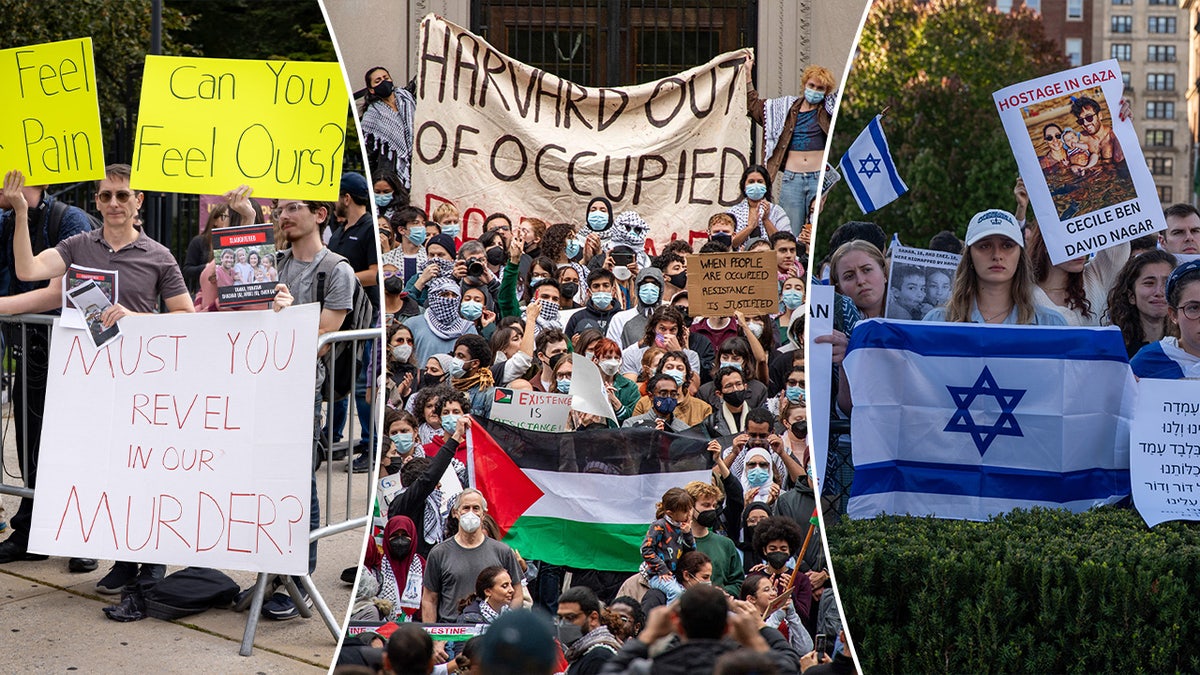
The impact of these protests extends beyond the immediate noise of the crowds. They affect the mental health of the performers, the operational security of the host city, and the brand image of the EBU. When the ORF and the city of Vienna planned for 80,000 guests, they planned for a party. They are now managing a political summit. The deployment of security to protect “Eurofan Cafés” and the monitoring of protest routes have added a layer of tension to what is meant to be a celebration of European unity.
the controversy forces a conversation about the limits of cultural exchange. Is the “adoption” of a country by a café a genuine gesture of friendship, or is it a political shield? For the patrons of Kantine and other Eurofan Cafés, the experience is a reminder that even the most mundane settings—a cup of coffee and a slice of cake—can become contested territory in a polarized world.
Key Takeaways on the Vienna ESC Conflict
- The “Adopted” Café Gap: Israel was initially the only competing nation that no Viennese café volunteered to host, highlighting significant local tension.
- UNESCO Heritage vs. Modern Politics: The use of Vienna’s historic coffeehouses as “Eurofan Cafés” brought political protests directly into spaces of cultural heritage.
- The Neutrality Struggle: Despite the EBU’s non-political mandate, the presence of Noam Bettan and the Israeli delegation has sparked widespread demonstrations.
- Security Concerns: The city is managing a delicate balance between welcoming 80,000 visitors and controlling clashes between pro- and anti-Israel protesters.
Looking Ahead: The Path to the Finale
As the contest progresses through its semi-finals, the focus will remain split between the stage and the streets. The EBU and the ORF are expected to maintain a strict security perimeter around the main venue to ensure the safety of the performers and the audience. However, the symbolic battle in the cafés and the public squares is likely to intensify as the competition reaches its climax.
The grand finale, scheduled for May 16, will be the ultimate test of Vienna’s ability to host a “united” event. Whether the music can truly drown out the political noise remains to be seen. For now, the city stands as a testament to the complexity of the modern era: a place where a pop song can be a bridge to connection for some, and a symbol of injustice for others.
The next major checkpoint for the event is the second semi-final, where security measures will be further tightened before the final results are announced on May 16. We will continue to monitor the situation in Vienna and provide updates on the security climate and the contest’s progression.
Do you believe international arts competitions should remain strictly non-political, or should they reflect the current global political reality? Share your thoughts in the comments below.
Keep reading