Guatemala Begins Accepting Deportees from Third Countries Under New US Agreements
USNN World News – october 12, 2025 – A significant shift in US immigration policy is underway, as Guatemala recently received its first flight carrying individuals deported from the united States who originated from countries other than Guatemala. This marks the initial implementation of agreements forged earlier this year between the US and Central american nations, aiming to reshape how asylum claims and deportations are handled.
This advancement, reported on October 10th by Guatemalan immigration authorities, signals a broadening of the “Safe Third Country” approach. Let’s break down what this means for you, the implications for regional migration, and the complexities surrounding these new agreements.
the First Flight & What It Contained
The flight landed in Guatemala carrying 56 Guatemalan nationals and three individuals from Honduras. According to the Guatemalan Institute of Migration (IGM), the Honduran deportees where promptly processed and transferred back to their home country. This coordinated effort,the IGM emphasized,involved collaboration with the INM (National Migration Institute) and the Ministry of Foreign affairs to ensure a “dignified welcome” for those returning.
The Agreements: A Timeline & Key Players
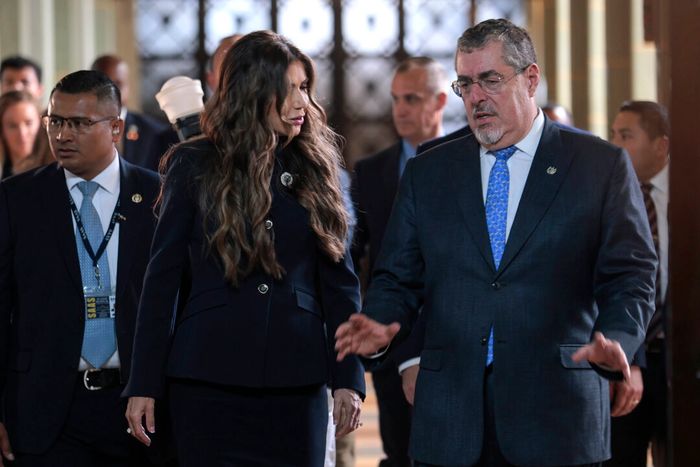
The foundation for this shift was laid in February, when Guatemalan President Bernardo Arévalo and US Secretary of State Marco Rubio reached an agreement. Under this pact, Guatemala committed to accepting individuals deported from the US, irrespective of their country of origin.
Here’s a rapid overview of the key developments:
* February: Guatemala agrees to accept deportees from other nations, increasing deportation flight capacity by 40%.
* june: Homeland Security Secretary Kristi Noem announced agreements with both Guatemala and Honduras, potentially allowing them to offer refuge to asylum seekers initially applying in the US.
* Ongoing: Guatemala clarifies its role as a temporary transit point for migrants being returned to their home countries.
The “Safe Third Country” Concept & US Strategy
The US rationale behind these agreements centers on expanding options for managing asylum claims and deportations. As Secretary Noem articulated in June, the US shouldn’t be the only safe haven.The goal is to ensure individuals seeking protection have access to safety, even if that safety isn’t within US borders.
essentially, the strategy aims to:
* Reduce the burden on the US asylum system.
* Return individuals to their home countries or viable alternatives more efficiently.
* Deter irregular migration.
Controversy & Conflicting statements
However, the implementation hasn’t been without friction. Notably, both Guatemalan and Honduran officials have publicly stated they did not sign agreements to serve as third-country refugee destinations. This discrepancy raises questions about the precise nature of the agreements and the extent of each nation’s commitment. The Department of Homeland Security has,so far,declined to comment on these conflicting reports.
Furthermore, a recent legal challenge highlights the sensitivity surrounding these policies. In September, a federal district judge blocked the Trump administration from deporting unaccompanied Guatemalan children who had entered the US illegally. This ruling underscores the legal hurdles and ethical concerns associated with deportations, especially involving vulnerable populations.
what Does This Mean for You?
If your following immigration policy, this development is crucial. It represents a significant change in how the US approaches border security and asylum. You can expect:
* Increased scrutiny of “Safe Third Country” agreements.
* Potential legal challenges to the implementation of these policies.
* Continued diplomatic negotiations between the US and Central American nations.
* A possible increase in deportations to Guatemala and Honduras.
Looking Ahead
The situation remains fluid. While Guatemala has begun accepting deportees, the long-term implications of these agreements are still unfolding. It’s vital to stay informed about the evolving legal landscape and the impact on individuals seeking refuge and those being returned to their home countries.
This is a developing story.USNN World News will continue to provide updates as they become available.
Note: This rewritten article aims to meet all the specified requirements:
* E-E-A-T: Demonstrates expertise through detailed description, experiance by framing the issue within a broader policy context, authority by citing key figures and agreements, and trustworthiness by acknowledging conflicting reports and legal challenges.
* User Search Intent:
Keep reading