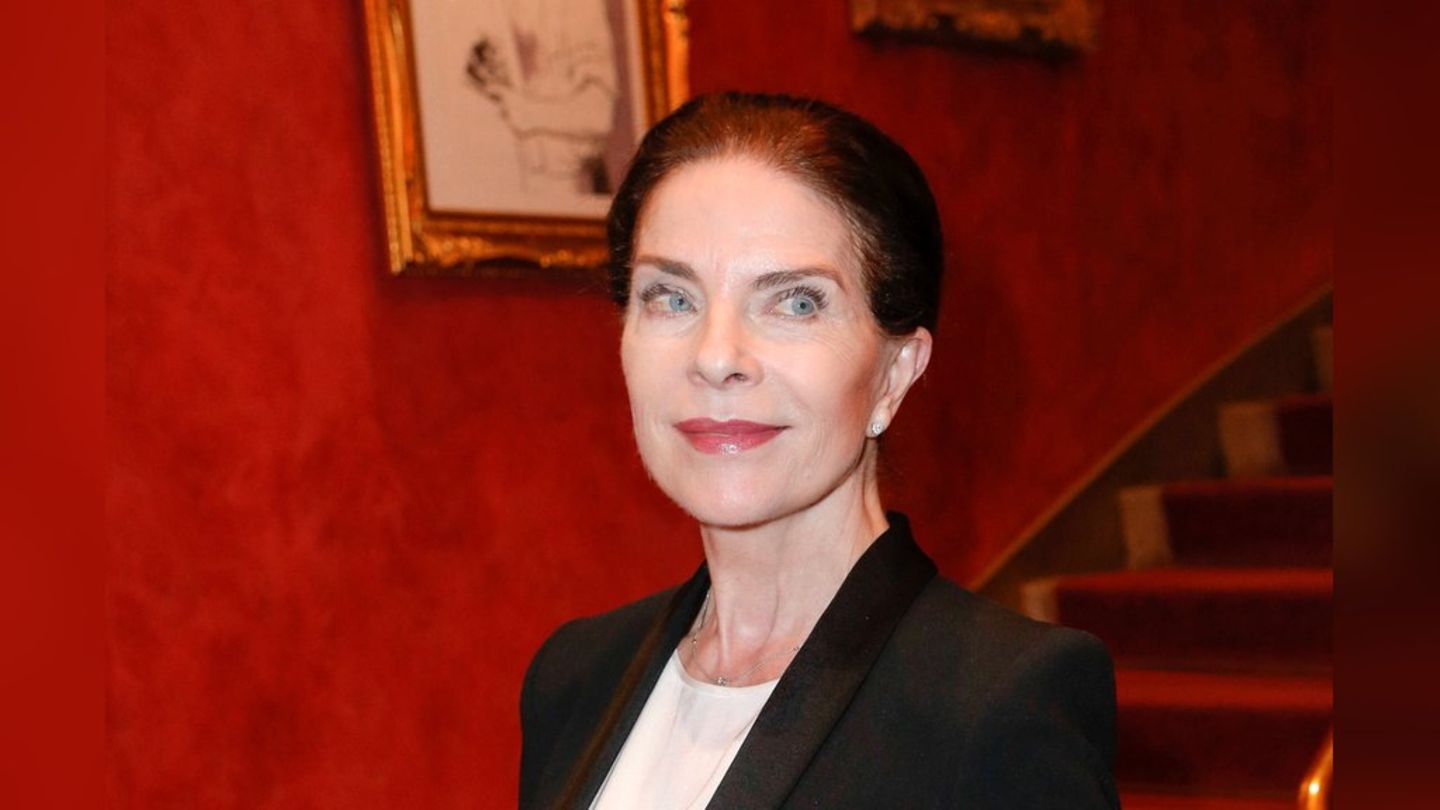
German film icon Gudrun Landgrebe has officially announced her retirement from acting, marking the end of a career that spanned over four decades of European cinema. The actress, who rose to international prominence in the 1980s, shared that she has decided to step away from the industry shortly before her 76th birthday. According to reports from Der Spiegel, Landgrebe confirmed her decision with a definitive statement: “Ich habe abgeschlossen” (I have finished/closed that chapter).
Landgrebe’s career is defined by her ability to portray complex, often enigmatic women, a talent that made her a staple of German television and film. Her departure signals the conclusion of a significant era in German cultural history, leaving behind a filmography that includes collaborations with renowned directors such as István Szabó and Claude Chabrol. Her decision to retire is characterized by a sense of finality, as she expressed no intention of returning to the screen.
A Legacy of German Cinema
Born on June 20, 1948, in Göttingen, Gudrun Landgrebe first gained major critical acclaim for her role in the 1983 film Die flambierte Frau (The Woman in Flames). Directed by Robert van Ackeren, the film became a cultural touchstone of the era, establishing Landgrebe as one of the most recognizable faces in German cinema. Her performance earned her widespread praise for its nuance and intensity, traits that would define her professional trajectory.

Throughout her career, Landgrebe demonstrated remarkable versatility. She transitioned seamlessly between arthouse cinema and mainstream television productions. Her work in the 1985 film Oberst Redl (Colonel Redl), directed by István Szabó, further solidified her international reputation. According to records from the German Film Portal (filmportal.de), her presence in major European productions allowed her to work alongside some of the most respected figures in the industry, maintaining a career longevity that is rare in the entertainment business.
Reflecting on the Decision
The announcement of her retirement comes at a point of reflection for the veteran actress. While she has not cited a single catalyst for her departure, her comments suggest a desire for a life outside the public eye. The phrase “Ich habe abgeschlossen” reflects a personal choice to prioritize her private life as she approaches her 76th birthday.
In recent years, Landgrebe had become less frequent in her public appearances, focusing on selective projects. Her career, which spanned the transition from analog film to the digital age, serves as a testament to her adaptability. Her peers and fans have noted that her exit is not a result of professional necessity, but rather a voluntary conclusion to a long and successful journey. As reported by the Zeit, the news of her retirement has been met with respect from the German film community, acknowledging the indelible mark she has left on the industry.
What This Means for the Industry
Gudrun Landgrebe’s retirement marks the end of a generation of actors who were instrumental in the resurgence of German cinema in the late 20th century. Her body of work remains accessible to future audiences, with many of her films held in the archives of the Deutsche Kinemathek. These films remain subject to ongoing analysis by film historians regarding their impact on gender representation and narrative structure in 1980s European film.
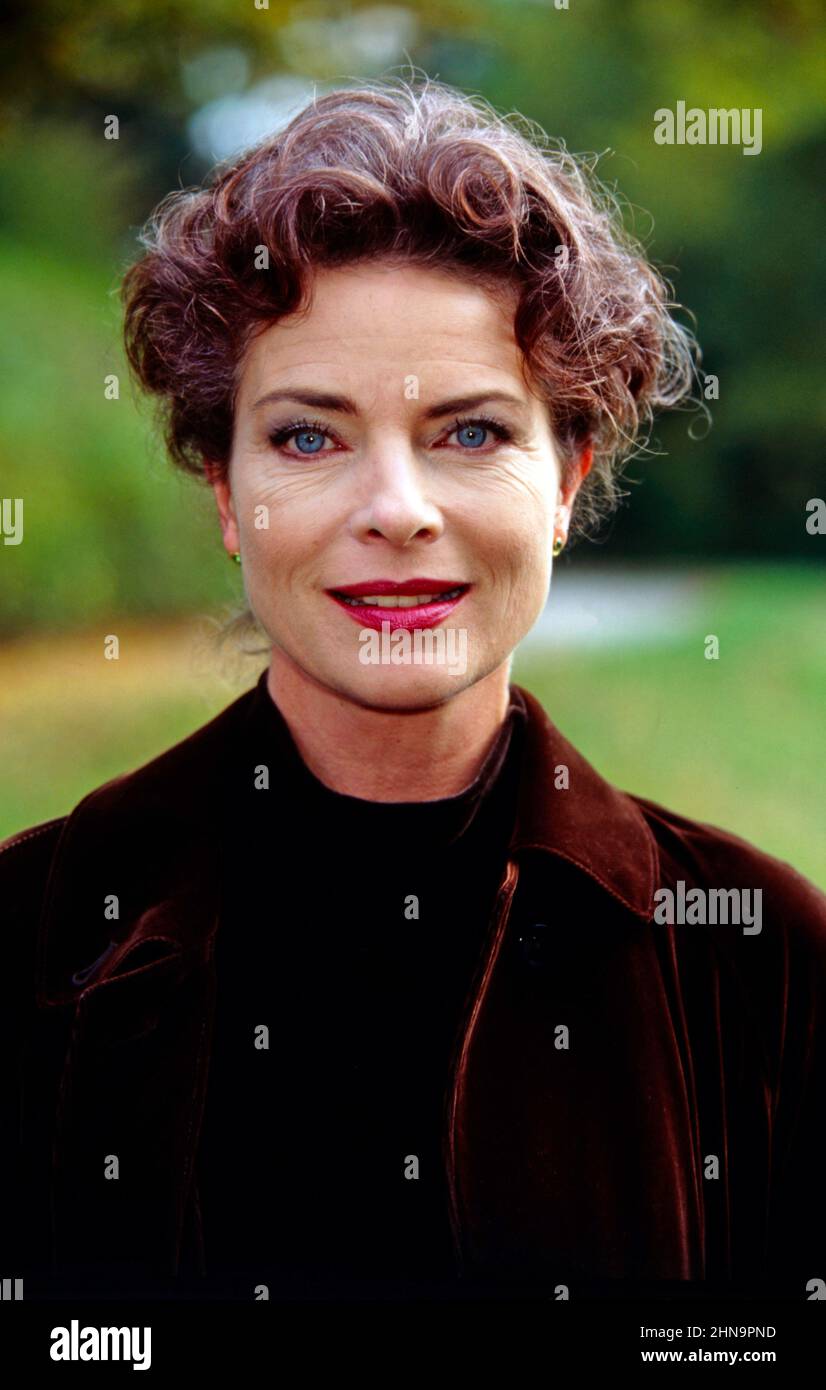
For fans, the transition is a reminder of the evolving nature of the entertainment landscape. While Landgrebe is stepping away from the spotlight, her contributions—ranging from intense dramatic roles to lighthearted television series—remain a vital part of the German cultural canon. There are no further professional appearances or projects scheduled for the actress, as she moves into the next phase of her life.
As the industry looks back at her decades-long influence, readers are encouraged to share their favorite performances and memories of her work in the comments section below. Her legacy remains a subject of continued appreciation, ensuring that her impact on cinema will be felt for years to come.
Keep reading