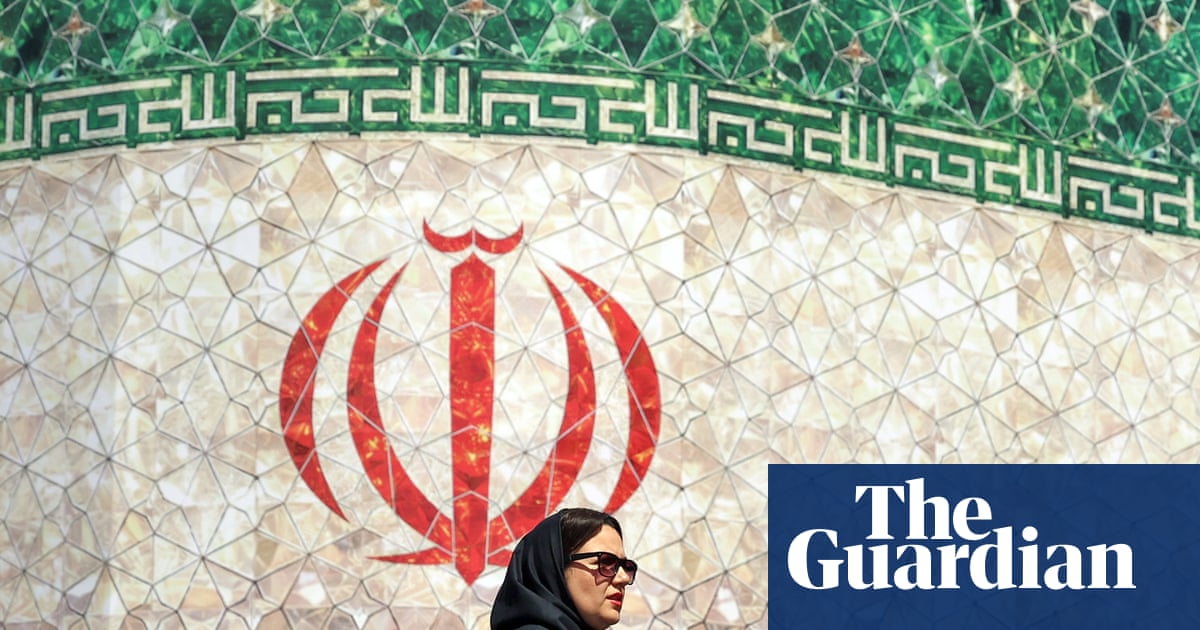
Iranian hardliners are mounting a vocal campaign to reject a proposed peace deal with the United States, according to reports from international news agencies. While mediators continue efforts to finalize the terms of the agreement, significant internal dissent within Tehran has emerged, creating uncertainty regarding the likelihood of the deal reaching implementation.
The pushback comes as diplomatic intermediaries work to bridge the gap between Washington and Tehran. While some elements within the Iranian political establishment view the potential agreement as a strategic shift, conservative factions have characterized the negotiations as a capitulation, leading to public protests against high-ranking Iranian officials involved in the process.
What is driving the opposition to the US-Iran deal?
The opposition is centered on a core group of hardline politicians and religious conservatives who view any diplomatic rapprochement with the United States as a threat to the Islamic Republic’s ideological foundations. These factions have directed their criticism toward key negotiators, including Iranian officials tasked with managing the diplomatic outreach.

Reports indicate that hardliners have used aggressive rhetoric to pressure the government. In one instance, protesters and conservative figures targeted officials with demands to “be ashamed,” suggesting that engaging in peace talks constitutes a betrayal of national interests. This internal pressure reflects a long-standing tension within the Iranian government between those who favor pragmatic diplomacy to alleviate economic sanctions and those who view the United States as an existential adversary.
The primary motivations for this rejection include:
- Ideological Preservation: Hardliners argue that any deal involving the United States undermines the revolutionary principles of the Islamic Republic.
- Security Concerns: Conservative elements within the Islamic Revolutionary Guard Corps (IRGC) express skepticism that a deal would lead to genuine US compliance or the permanent removal of sanctions.
- Domestic Political Leverage: Opposing the deal allows hardline factions to consolidate power by framing the administration as weak on foreign policy.
How does the Iranian political divide impact negotiations?
The potential deal has exposed a widening rift between the reformist-leaning factions and the hardline establishment. This divide determines not only the rhetoric used in Tehran but also the actual viability of the diplomatic process.
Reformist figures within Iran have offered a different interpretation of the current diplomatic climate. Some reformists suggest that the emergence of a possible deal marks a fundamental shift from a previous “too late” approach, where diplomacy was seen as futile. They argue that the current momentum represents a pragmatic attempt to address the country’s mounting economic pressures through structured engagement.
The following table compares the primary perspectives currently circulating within the Iranian political landscape:
| Feature | Hardliner Perspective | Reformist Perspective |
|---|---|---|
| View of the US | An existential threat and ideological enemy. | A necessary diplomatic partner for economic stability. |
| Goal of Negotiations | Avoidance of “capitulation” and preservation of sovereignty. | Sanctions relief and reintegration into the global economy. |
| Stance on Officials | Accusations of betrayal and “shameful” conduct. | Support for pragmatic engagement and diplomatic expertise. |
| Perceived Outcome | A hollow agreement that fails to provide security. | A strategic shift toward stabilizing the domestic economy. |
Who holds the final decision-making power in Tehran?
Despite the volume of dissent from hardliners and the advocacy of reformists, the ultimate authority over any international treaty or peace agreement rests with the Supreme Leader of Iran. While the presidency and the Ministry of Foreign Affairs manage the technical aspects of negotiations, the Supreme Leader maintains final oversight of all major foreign policy decisions.
Political analysts note that the regime is likely to have the final say on whether to accept or reject the proposed terms. This means that even if the diplomatic corps reaches a consensus with US mediators, the deal must receive the implicit or explicit approval of the Supreme Leader and the senior leadership of the IRGC. The decision-making process is often opaque, making it difficult to predict how the leadership will balance the need for economic relief against the pressure from hardline domestic factions.
The role of mediators remains critical during this period. These third-party actors are tasked with refining the language of the deal to satisfy the minimum requirements of both Washington and Tehran, while attempting to navigate the volatile internal politics of the Iranian government. The success of these efforts depends on whether the proposed terms can provide enough “face-saving” concessions for the Iranian leadership to satisfy both the pragmatic and conservative wings of the government.
What are the geopolitical implications of a deal rejection?
If the Iranian hardliners succeed in blocking the proposed deal, the consequences would likely extend beyond Tehran’s borders. A failure to reach an agreement could lead to a renewed cycle of sanctions, increased regional tensions, and a potential escalation in maritime and proxy conflicts in the Middle East.
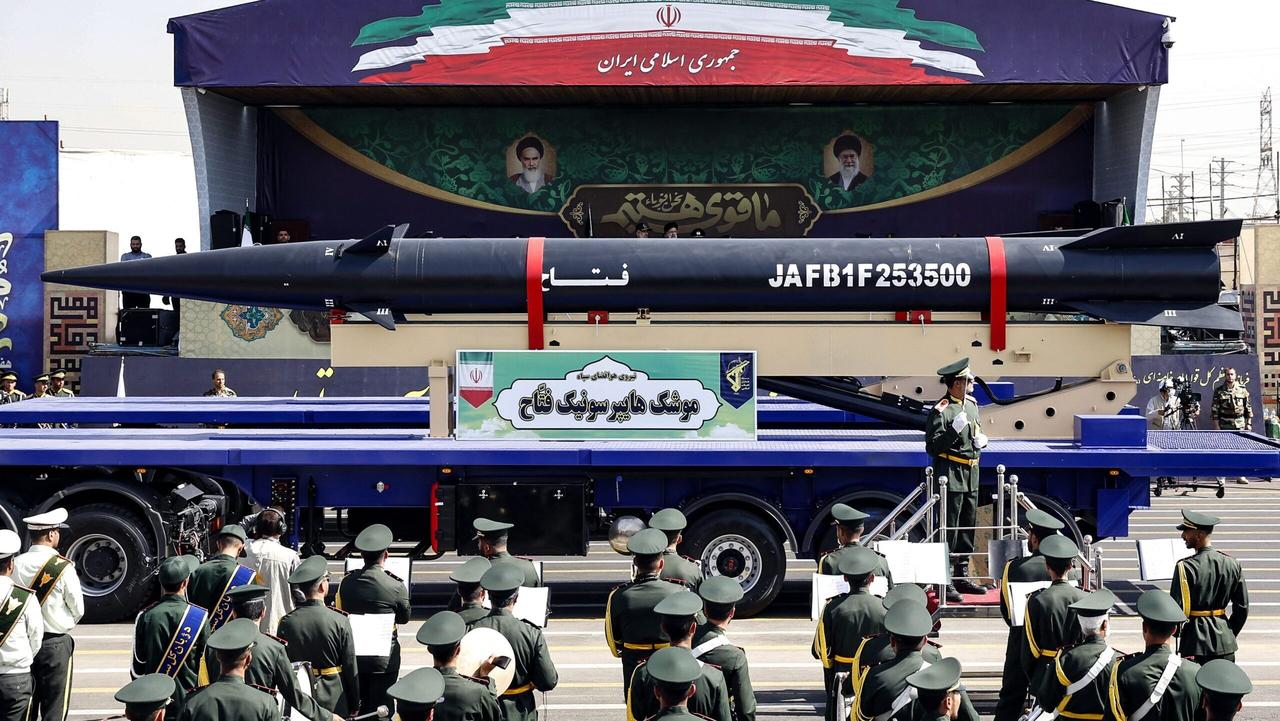
Conversely, the successful implementation of a deal would require a significant shift in how the Iranian state manages its relationship with the West. Such a shift would involve not only the lifting of specific economic sanctions but also a de-escalation of regional activities that the United States and its allies have identified as destabilizing. The stability of the global energy market is also closely tied to these developments, as any resolution regarding Iran’s nuclear program and economic status directly affects oil and gas supply chains.
The current atmosphere remains one of high anticipation and significant pushback. As mediators continue their work, the international community is watching to see whether the Iranian leadership will prioritize economic pragmatism or ideological rigidity.
The next major checkpoint in this process will be the official response from the Iranian government regarding the specific terms drafted by mediators. Further updates are expected as diplomatic channels continue to communicate between Tehran and Washington.
What are your thoughts on the potential for a US-Iran peace deal? Share your perspective in the comments below and share this article with your network.
Keep reading