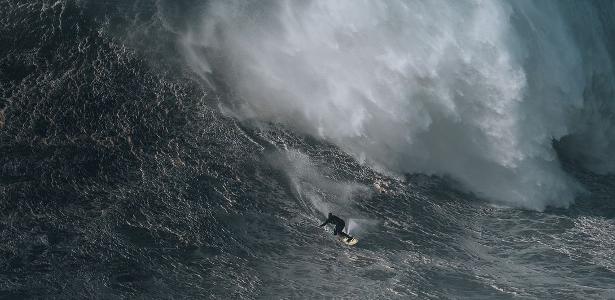
Brazilian big wave surfer Guilherme Dorini operates in a high-stakes realm where a single miscalculation can mean severe injury or worse. Navigating monstrous ocean swells requires meticulous physical conditioning, absolute mental discipline, and a deep understanding of marine mechanics. Known for tackling colossal waves that reach terrifying heights, Dorini’s journey in extreme sports highlights the profound physical and psychological demands placed on athletes who chase the ocean’s largest energy formations.
Extreme sports journalism and athletic profiles frequently examine the thin line between triumph and disaster in big wave surfing. For competitors like Dorini, preparation extends far beyond physical strength in the gym. It involves breath-hold training, safety equipment protocols, and strategic visual mapping of treacherous surf breaks around the globe. Understanding these elements offers insight into why athletes commit their lives to conquering giants like a 100-foot wave.
The daily training regimen of an elite big wave surfer demands relentless dedication. Athletes focus heavily on dynamic apnea—holding their breath under extreme physical exertion and high heart rates—to prepare for potential wipeouts that can pin a surfer underwater for multiple terrifying cycles. According to sports training analyses, this conditioning helps regulate panic, reducing oxygen consumption when every second counts beneath tons of churning whitewater.
Safety infrastructure has evolved significantly alongside the progression of extreme surfing. Modern big wave teams rely heavily on specialized personal flotation devices, high-powered rescue watercraft operated by skilled partners, and real-time swell forecasting technology. These safety measures do not eliminate the inherent dangers of the sport, but they provide a crucial margin for survival when surfers face catastrophic impacts from massive walls of water.
The Psychological Reality of Extreme Surf Training
Confronting fear remains one of the primary hurdles for athletes operating at surfing’s extreme edge. Mental resilience is forged through years of controlled exposure to heavy water environments. Sports psychologists note that elite big wave riders utilize visualization techniques to mentally rehearse both successful rides and emergency bailout scenarios, ensuring muscle memory takes over during high-stress moments in the impact zone.
The physical toll of monumental surf is equally demanding. Surfers routinely experience joint trauma, torn ligaments, and severe concussions from colliding with the ocean floor or their own equipment. Recovery periods require intensive physical therapy and disciplined rehabilitation protocols. Despite these obstacles, athletes frequently return to the water, driven by a relentless pursuit of personal mastery and the unique challenge presented by the ocean’s most formidable swells.
Global Venues and the Quest for Colossal Swells
Chasing extreme waves requires global mobility. Surfers monitor meteorological charts constantly, ready to board flights on short notice when low-pressure systems generate monumental swells in locations such as Nazaré in Portugal, Jaws in Hawaii, and Mavericks in California. Each break presents distinct navigational challenges influenced by underwater bathymetry, wind patterns, and tide schedules.
Documenting these feats has also transformed how audiences consume extreme sports. High-definition drone footage and water-angle cinematography capture the true scale of these aquatic mountains, offering viewers a glimpse into the raw power of nature. Yet, athletes and media professionals alike emphasize that the aesthetic appeal of a massive wave masks the unforgiving physical reality of the environment.
Frequently Asked Questions
What physical conditioning is required for big wave surfing?
Athletes focus on cardiovascular endurance, high-intensity interval training, and dynamic apnea training to improve breath-hold capacity under stress. Core strength and flexibility are also vital for absorbing heavy impacts.
How do big wave surfers manage safety in the water?
Surfers utilize inflatable impact vests, specialized helmets, and work in synchronized pairs with professional rescue watercraft operators trained to extract athletes from dangerous impact zones.
Where do extreme surfers typically find 100-foot waves?
Colossal swells are generated by deep Atlantic and Pacific storms, breaking at specialized coastal locations with unique underwater canyons and shelf formations that amplify wave height, such as Nazaré, Portugal.
As ocean forecasting technology continues to improve and training methodologies become more sophisticated, the boundaries of extreme surfing will likely keep expanding. Observers and fans interested in the sport can follow official athletic organizations and meteorological updates for ongoing coverage of major international swells and safety developments.