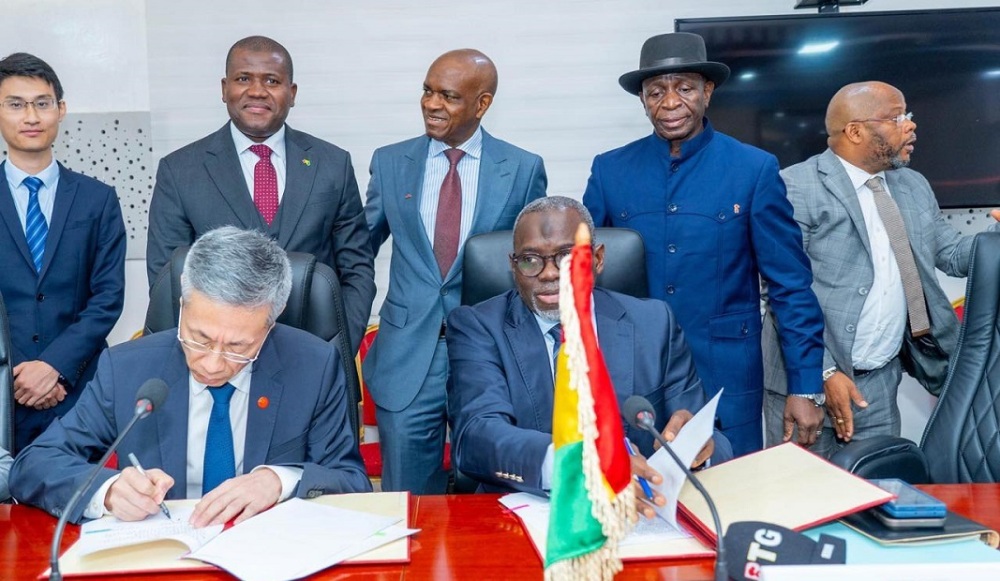
Guinea is poised to significantly expand its surveillance capabilities with a $48.9 million “Safe City” project financed by China, a development that reflects a growing trend of Chinese investment in African security technology. Approved by the country’s National Transition Council on March 13th, the project will see the installation of an extensive network of smart surveillance cameras, digital command centers, and traffic management systems in eight cities across the nation. This initiative, formalized through a concessional loan agreement with the Export-Import Bank of China signed on June 30, 2025, is being touted by Conakry as a key outcome of the strengthened strategic partnership forged during the 2024 Forum on China-Africa Cooperation (FOCAC) summit.
The “Guinea Safe City” project, spearheaded by technology firm Huawei, will focus on securing critical infrastructure, including ports, borders, congested traffic areas, and other strategically important locations. The move comes as several African nations are increasingly turning to Chinese technology to bolster their security infrastructure, raising both opportunities for modernization and concerns about data privacy and governance. This expansion of surveillance technology is occurring against a backdrop of increasing global uncertainty and economic challenges, as highlighted by concerns over unilateral tariffs imposed by the United States, which are impacting economic development in African nations.
According to Guinean Minister of Planning, Ismaël Nabé, the project is essential for sustainable development, economic dynamism, and technological innovation. “There is no sustainable development without security, no economic dynamism without fluid mobility, and no innovation without strategic technological investments,” Nabé stated, underscoring the project’s multifaceted benefits. The planned infrastructure includes 324 surveillance sites, eight command centers, 900 portable terminals for security forces, 100 vehicle-mounted systems, and six LTE stations to ensure secure communications. The Guinean government envisions the project as a catalyst for modernization, aiming to bring Conakry and other major cities up to international standards.
Expanding Chinese Technological Influence in Africa
Guinea’s initiative is part of a broader continental shift towards “Safe City” solutions, largely driven by Chinese financing and technology. This trend is evident in several other African countries, each adapting the technology to their specific needs and contexts. The increasing reliance on Chinese technology for security infrastructure raises questions about data security, potential surveillance overreach, and the geopolitical implications of these partnerships.
In Senegal, the “Smart Senegal” program, launched in 2019, utilizes a network of intelligent video surveillance covering major cities like Dakar, Thiès, Touba, and Saint-Louis. By 2020, approximately 473 of the planned 500 cameras had been installed, many powered by solar energy. The system operates through a national command center and interconnected regional centers, enabling real-time coordination of security interventions. This demonstrates a comprehensive approach to urban security, leveraging technology to enhance public safety and response times.
Cape Verde is also implementing a Chinese-financed project, utilizing Huawei technology to install around 750 cameras on the main islands of Santiago and São Vicente. Already operational in some areas, the system provides continuous public space surveillance, particularly in urban and tourist zones, aiming to improve police responsiveness. This project highlights the appeal of Chinese technology for smaller nations seeking to enhance their security capabilities.
Algeria represents a more advanced level of integration, having progressively built a sophisticated urban surveillance architecture combining smart cameras, data centers, and advanced analytics tools. Huawei plays a significant role in Algeria, particularly in developing data infrastructure and integrating facial and voice recognition solutions. Thousands of cameras have been deployed in major cities like Algiers, Oran, and Constantine, demonstrating a large-scale commitment to surveillance technology.
Security Modernization and Governance Challenges
Guinean authorities believe “Guinea Safe City” will strengthen public safety, optimize traffic management, and improve coordination of emergency responses in rapidly growing urban centers. Beyond security, the project aligns with a broader digital transformation and modernization of public services. The initiative aims to address pressing urban challenges and enhance the quality of life for citizens.
Although, the increasing deployment of these systems raises critical questions about governance and data management. Controlling the collected data, its location – whether hosted locally or with technology partners – and the legal frameworks governing its use, particularly regarding privacy protection, are central concerns. These issues are becoming increasingly prominent as these technologies proliferate across the continent. The lack of clear regulations and oversight mechanisms could potentially lead to misuse of data and erosion of civil liberties.
The debate surrounding these “Safe City” initiatives extends beyond technical capabilities to encompass fundamental questions about the balance between security and privacy. Concerns have been raised about the potential for mass surveillance, the lack of transparency in data collection practices, and the risk of discriminatory targeting. Addressing these concerns requires robust legal frameworks, independent oversight mechanisms, and a commitment to protecting fundamental rights.
The Role of Huawei and Chinese Financing
Huawei’s involvement in these projects is significant, providing not only the technology but also the expertise for implementation and maintenance. The company’s extensive experience in telecommunications infrastructure and its competitive pricing have made it a preferred partner for many African nations. However, Huawei has faced scrutiny in some countries over concerns about its ties to the Chinese government and potential security risks. These concerns have led to restrictions on Huawei’s involvement in certain projects in other parts of the world, but its presence in Africa remains strong.
The Chinese government’s financial support through initiatives like FOCAC is crucial to the implementation of these projects. China has pledged substantial financial assistance to Africa, including $50 billion in financial support over the next three years, as announced during the 2024 FOCAC summit. This funding provides African nations with the resources to invest in critical infrastructure, including security technology. However, it also raises concerns about debt sustainability and potential dependence on Chinese financing.
Looking Ahead: Data Protection and Transparency
As “Safe City” projects continue to expand across Africa, the need for clear data protection regulations and transparent governance mechanisms becomes increasingly urgent. African governments must prioritize the development of legal frameworks that safeguard citizens’ privacy rights and prevent the misuse of surveillance data. Independent oversight bodies are essential to ensure accountability and prevent abuses of power.
public awareness and engagement are crucial. Citizens need to be informed about how their data is being collected, used, and protected. Open dialogue and consultation with civil society organizations can facilitate to build trust and ensure that these technologies are deployed in a responsible and ethical manner. The future of urban security in Africa depends on striking a balance between leveraging technology for public safety and upholding fundamental rights and freedoms.
The next key development to watch will be the implementation timeline for the “Guinea Safe City” project and the specific details of the data protection protocols that will be position in place. Continued monitoring of similar initiatives across the continent will be essential to assess their impact on security, privacy, and governance. Readers are encouraged to share their thoughts and perspectives on this evolving landscape in the comments below.
Keep reading