
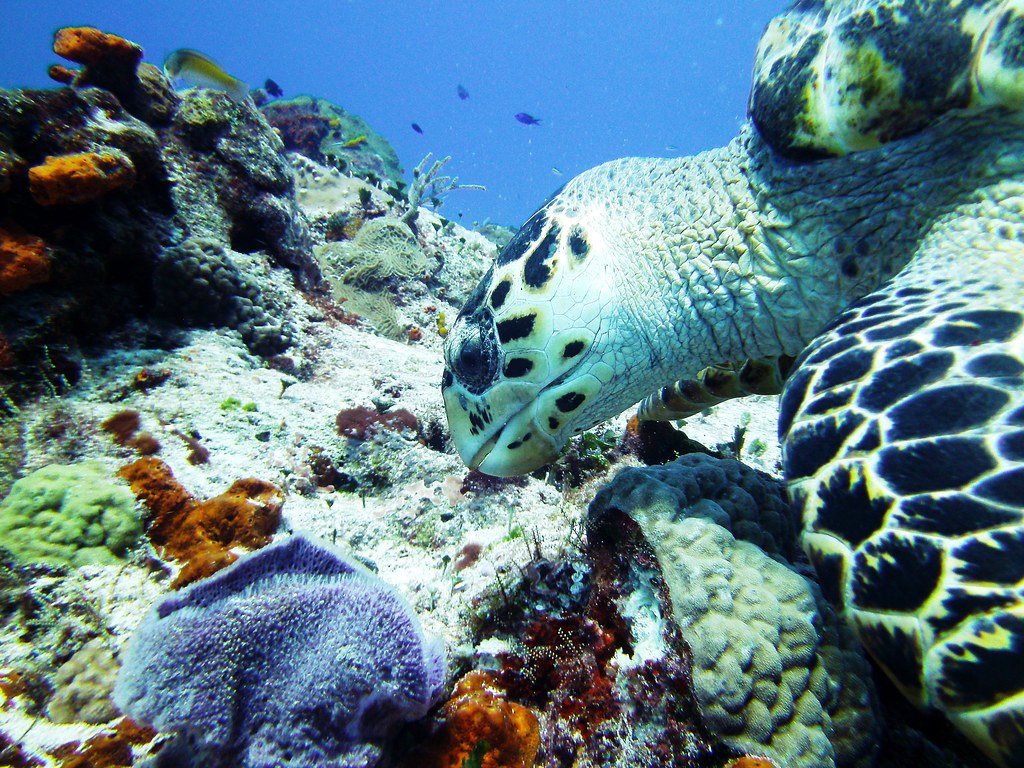
The Gulf of California, a marine region renowned for its extraordinary biological wealth, remains at the center of ongoing discussions regarding environmental stewardship and regulatory oversight. As one of the most biodiverse marine ecosystems on the planet, the area serves as a critical corridor for numerous species, including various cetaceans, sea turtles, and migratory seabirds. Advocates for the region’s protection frequently emphasize that these waters are far from an empty zone, functioning instead as a complex, living habitat that requires consistent management to maintain its ecological integrity.
The Secretaría de Medio Ambiente y Recursos Naturales (SEMARNAT), the Mexican federal government agency tasked with the protection, restoration, and conservation of ecosystems, holds the primary mandate for these environmental responsibilities. As part of its operational framework, the agency is tasked with four priority pillars: the conservation and sustainable use of ecosystems, the prevention of pollution, the management of water resources, and climate change mitigation.
The Regulatory Framework for Marine Protection
The designation of specific marine areas as critical habitats is a legal and administrative process governed by federal environmental law. In Mexico, such protections are often managed in coordination with various specialized bodies, including the Comisión Nacional de Áreas Naturales Protegidas (CONANP). The legal mechanism for declaring an area a “critical habitat” is designed to provide a higher level of protection for species at risk, limiting industrial activities that might compromise the environmental health of the zone.
Conservation groups, such as Pronatura México A.C., have long played a significant role in advocating for the preservation of priority ecosystems. These organizations often work alongside government entities to provide scientific data and monitor biodiversity, ensuring that the management of natural resources aligns with sustainable development goals. For stakeholders, the challenge lies in balancing the economic interests tied to the Gulf—such as shipping, fishing, and energy logistics—with the non-negotiable needs of the marine life residing within these waters.
Addressing Environmental Pressures
The Gulf of California is subject to various stressors, ranging from climate-driven temperature shifts to the externalities of regional industrial activity. Concerns regarding the introduction of substances or pollutants into the marine environment are frequently raised by environmental monitors. While the flow of energy products and industrial materials between the United States and Mexico is a matter of established trade, the environmental impact of these logistics remains a focal point for regulatory bodies like the Agencia de Seguridad, Energía y Ambiente (ASEA).
ASEA is specifically responsible for regulating the safety and environmental performance of the hydrocarbons sector in Mexico. Ensuring that maritime transit and energy infrastructure do not interfere with the migratory paths of protected species or the health of coral reefs is a continuous operational requirement for both the public and private sectors involved in Gulf activities.
Pathways to Sustainable Conservation
For those interested in the future of the Gulf of California, the conversation is currently focused on how best to integrate scientific research into policymaking. The following points summarize the current landscape of conservation efforts:
- Regulatory Oversight: SEMARNAT continues to lead the national strategy on environmental protection, with specialized support from CONANP for protected areas.
- Scientific Collaboration: Academic and non-profit research is essential to identifying which specific zones require the most urgent “critical habitat” designations.
- Industrial Compliance: Agencies like ASEA ensure that energy-related logistics comply with strict environmental safeguards to prevent contamination in sensitive marine zones.
- Public Engagement: Transparency in government reporting, such as the annual updates provided by environmental organizations, allows the public to track progress on conservation targets.
As of May 2026, the dialogue between civil society, environmental organizations, and government regulators remains active. While no specific new decree regarding a comprehensive “critical habitat” status for the entire Gulf has been finalized, the framework for such protections is well-established within existing Mexican environmental law. Interested parties can monitor official updates through the SEMARNAT portal, which provides the most accurate information regarding current environmental policy and upcoming regulatory consultations.
The protection of the Gulf of California is a multi-generational project that requires sustained commitment from all sectors of society. By adhering to science-based management and rigorous regulatory enforcement, the goal of maintaining this ecosystem for future generations remains within reach. We invite our readers to share their perspectives on the balance between regional development and marine preservation in the comments section below.
Keep reading