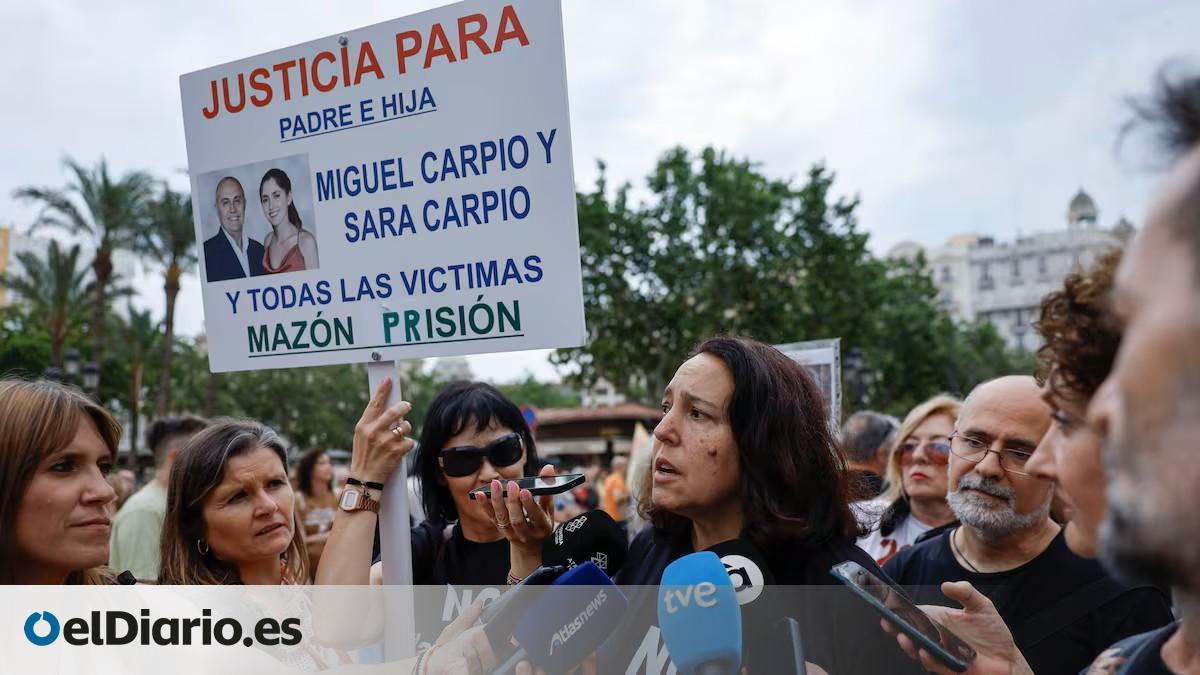
In the streets of València, the echoes of the catastrophic DANA flooding that struck the region on October 29, 2024, remain a potent catalyst for civic mobilization. This weekend, thousands of demonstrators—led by associations representing the victims—marched through the city center to voice their continued frustration with the political handling of the emergency. Central to their demands is the resignation of former regional president Carlos Mazón, with protesters explicitly calling for him to surrender his seat as a member of the Valencian regional parliament.
The demonstration, which saw a convergence of affected families and public sector workers, underscored a deepening divide between the public and the political establishment. As the region navigates the long-term consequences of the climate disaster, the call for accountability has moved beyond the halls of government and into the public square. The protesters are not merely seeking political resignation; they are demanding a legal reckoning, arguing that the failure to issue timely alerts during the peak of the storm constitutes a profound betrayal of public trust.
For many, the current political landscape is viewed as stagnant. The marchers, who mirrored the routes of previous protests, emphasized that despite the passage of time—now nineteen months since the tragedy—the desire for “truth, justice, and reparation” remains the primary driver of their movement. This sentiment is compounded by the legal status of the former leader, who, as a regional deputy, currently enjoys parliamentary immunity, a protection that the protesters are fiercely challenging.
The Legal and Political Deadlock
The tension on the streets follows a significant legal development involving the Tribunal Superior de Justicia de la Comunitat Valenciana (TSJCV). In a unanimous decision, the court opted not to open a formal investigation into Carlos Mazón, citing a lack of evidence of criminal behavior. The court’s reasoning hinged on a strict interpretation of legal obligations, noting that the former president did not have a specific statutory duty to personally guarantee public safety during the emergency. You can review the official status of the regional judiciary’s rulings via the General Council of the Judiciary (CGPJ) portal.
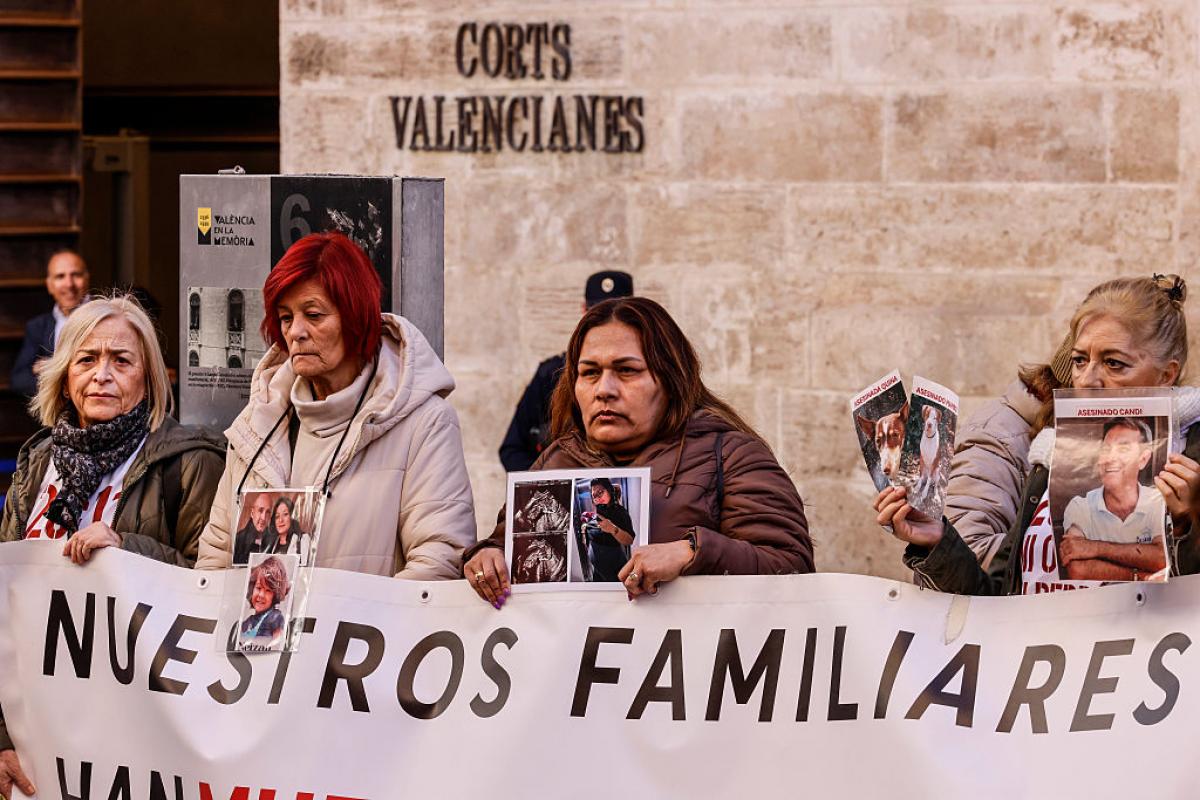
However, the court’s ruling has ignited further controversy. While the judges acknowledged that Mazón’s management of the crisis could be viewed as socially and politically “reproachable,” they stopped short of finding criminal liability. This distinction has been sharply criticized by victim advocacy groups, who argue that the availability of meteorological data and emergency communication tools at the time should have been sufficient to trigger an earlier, life-saving alert. The discrepancy between the court’s findings and the public’s perception of responsibility remains a flashpoint in the region.
the political commission of inquiry held at the Corts Valencianes has been dismissed by many victims as a “paripé,” or a mere performance. In the eyes of the protesters, the true path to accountability lies within the judiciary, specifically pointing to the ongoing proceedings at the Juzgado de Instrucción número 3 de Catarroja, which continues to examine the circumstances surrounding the disaster.
Urgent Infrastructure Demands
Beyond the calls for political resignation, the march highlighted a growing technical concern: the speed and nature of the recovery efforts. Representatives from the Asociación de Damnificados DANA-Horta Sud have voiced strong opposition to the current reliance on long-term reconstruction plans. According to these community leaders, traditional reconstruction projects could take between 20 and 30 years to fully materialize—a timeline they argue is completely incompatible with the immediate safety needs of the flooded municipalities.
The core of this demand is a shift from “reconstruction” to “emergency works.” The affected communities are calling for immediate, prioritized protection infrastructure that can safeguard their homes and businesses against future meteorological events. The urgency is palpable; for families who lost everything, the prospect of waiting decades for the region to reach its pre-disaster state is viewed as an unacceptable failure of governance. For more information on official disaster recovery guidelines, citizens are directed to the Spanish Ministry of the Interior.
A Convergence of Grievances
The weekend protest was bolstered by the participation of public school teachers, who are currently in the midst of an indefinite strike. This alignment of social movements—victims of the DANA and educators—illustrates a broader climate of unrest in the Valencian Community. The teachers, who have been striking for several weeks, joined the march to demonstrate solidarity, linking their own struggle for educational stability with the wider demand for institutional accountability.

The presence of these diverse groups suggests that the impact of the DANA has permeated nearly every aspect of public life in the region. Whether it is the demand for a more responsive political class or the need for immediate, tangible infrastructure improvements, the common thread is a sense of neglect by the authorities. As the legal proceedings in Catarroja continue to unfold, the public’s pressure on the regional government is unlikely to wane.
Key Takeaways for Stakeholders
- Legal Status: The TSJCV has ruled out a criminal investigation into Carlos Mazón, though the case remains under review in local instructional courts.
- Primary Demands: Protesters are calling for the resignation of the former president and an end to the use of parliamentary immunity (aforamiento) to avoid scrutiny.
- Infrastructure: Community groups are prioritizing immediate emergency flood-protection works over long-term, multi-decade reconstruction plans.
- Civic Unrest: The movement has successfully formed coalitions with other social actors, including the teaching profession, broadening the scope of the protests.
As the regional government faces these mounting pressures, all eyes remain on the next procedural steps in the judicial process at the court in Catarroja. There is currently no fixed date for a final ruling or a new hearing, but the persistence of these demonstrations ensures that the memory of the October 2024 disaster remains at the forefront of the regional political agenda. We invite our readers to share their perspectives on the recovery process and the intersection of climate resilience and political accountability in the comments section below.
Related reading