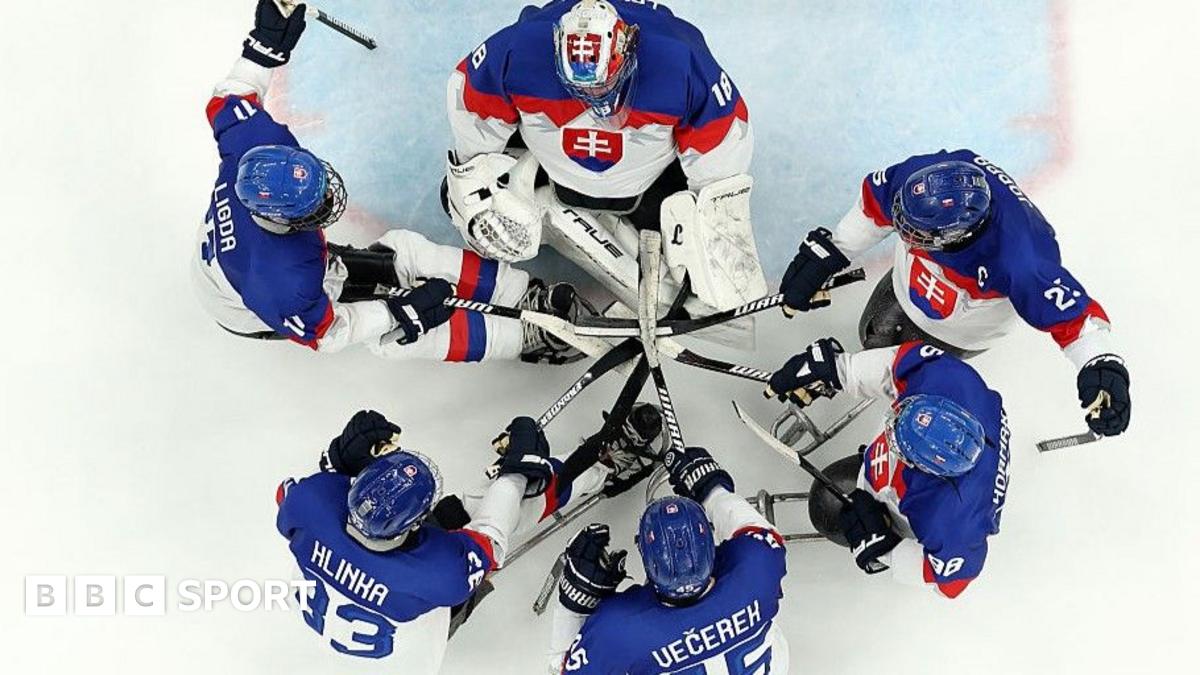
As the international sporting community turns its focus toward the upcoming Milano Cortina 2026 Winter Paralympics, a significant conversation has emerged regarding the composition of Para ice hockey teams. While the sport is designated as a mixed-gender event, allowing for the inclusion of both male and female athletes, the reality of current competitive rosters highlights a stark gender disparity. Ahead of the Games, it has been confirmed that only one female athlete is set to compete in the tournament, underscoring the ongoing challenges in achieving gender parity within this high-intensity, contact-heavy discipline.
For those of us who have covered the Paralympic movement for over a decade, the “mixed” status of Para ice hockey has long been a point of academic and practical interest. It is a classification designed to be inclusive, yet the physical demands and the historical development of the sport have resulted in a landscape dominated by men. The presence of a solitary woman on the ice in Milan will serve as a poignant reminder of the work that remains to ensure that the Paralympic spirit of inclusion translates into balanced representation on the field of play.
The Evolution of Mixed-Gender Competition
Para ice hockey, formerly known as sledge hockey, has been a staple of the Winter Paralympic Games since its debut in 1994. The sport is governed by World Para Ice Hockey, a sub-committee of the International Paralympic Committee (IPC). According to the official governance framework of the IPC, teams are permitted to include both male and female players on their rosters, provided they meet the established classification criteria for physical impairment. The classification system is rigorous, ensuring that all athletes, regardless of gender, compete on a level playing field based on their functional ability.
However, the transition from local leagues to the international Paralympic stage remains a formidable barrier for many female athletes. The lack of dedicated women’s programs globally means that female players often have to compete alongside men at the club level to hone their skills. For an athlete to reach the elite standard required for the Winter Paralympics, they must navigate a pathway that is currently optimized for a male-dominated talent pipeline. The inclusion of a lone female competitor in the 2026 Games is a historic milestone, yet it highlights that such occurrences remain the exception rather than the rule.
Barriers to Participation and the Path Forward
The scarcity of female athletes in Para ice hockey is not a reflection of a lack of interest, but rather a reflection of systemic barriers. In many regions, the infrastructure for disability sports is fractured. Without consistent funding for female-specific development programs, many aspiring athletes struggle to access the specialized equipment and coaching necessary to compete at the international level. The sport’s classification system, while designed for fairness, requires a specific set of physical attributes that are often scouted within existing male-centric club structures.
The Milano Cortina 2026 Organizing Committee and the IPC have been focused on delivering a Games that emphasizes accessibility and athlete welfare. While the focus of the upcoming Games is on the performance of the world’s best athletes, the conversation surrounding the “mixed” team event is gaining momentum. Advocacy groups are increasingly calling for clearer pathways for women to enter the sport, suggesting that if the event is to remain truly “mixed,” there must be proactive measures to encourage female participation from the grassroots level upward.
Key Factors Influencing Gender Representation
- Infrastructure Disparity: The lack of widespread, accessible ice time and equipment for female Para ice hockey players.
- Pipeline Development: The absence of a formalized international competitive circuit exclusively for women, which currently limits experience-building opportunities.
- Classification Standards: The technical requirement of the sport, which necessitates a high level of physical conditioning and specific impairment-related functional capacity.
- Institutional Support: The role of national Paralympic committees in funding and promoting the sport to a diverse range of potential athletes.
Looking Toward Milano Cortina 2026
As we approach the opening ceremonies, the sports world will be watching to see how the inclusion of a female athlete impacts the dynamics of the tournament. It is a moment of progress, albeit a small one, in the broader history of the Paralympic movement. The goal for the future, as articulated by many in the sports science community, is to move toward a model where gender parity is the norm rather than a notable news story. For now, the focus remains on the competition itself and the remarkable dedication required by every athlete who earns their place on the ice.

For those interested in the official progress of the tournament and updates on athlete eligibility, the International Paralympic Committee website provides comprehensive resources, including the latest qualification updates and technical manuals. As the Games draw closer, we can expect further discourse on how the Paralympic movement can adapt to ensure that “mixed” events are truly representative of the global athletic population.
We will continue to monitor the developments leading up to the start of the competition. If you have insights on the development of Para sports in your region or thoughts on how international governing bodies can better support female athletes, please share your perspective in the comments section below. Your engagement is vital to the ongoing conversation about fairness and inclusion in elite sports.