
In the quiet, shifting landscapes of Iceland, the past is not merely a memory—We see a physical presence etched into the ice. Time and Water, the latest documentary from acclaimed filmmaker Sara Dosa, made its debut at the 2026 Sundance Film Festival, offering a deeply personal meditation on climate change that transcends the typical environmental documentary. By braiding the intimate, generational archives of Icelandic author Andri Snær Magnason with the stark reality of a warming planet, Dosa has crafted a film that feels both like a family memoir and a cosmic warning.
The film’s emotional core lies in the intersection of human memory and the rapid disappearance of Iceland’s glaciers. The project was sparked by an article written by Magnason, titled “How do you say goodbye to a glacier?”—a question that resonates with anyone witnessing the profound ecological shifts of the modern era. Centering on the loss of Okjökull, a 700-year-old glacier that was officially declared dead in 2014 due to the impacts of a warming climate, the film invites viewers to confront the surreal reality of a world where massive, ancient features of our geography are vanishing within a single human lifetime.
A Convergence of Personal and Planetary History
Time and Water is not a traditional adaptation of Magnason’s 2021 narrative nonfiction book of the same name. Instead, it acts as a visual and auditory companion to his work. Dosa and her team, including editors Erin Casper and Jocelyne Chaput, sifted through vast amounts of archival footage documenting the lives of Magnason’s parents and grandparents. This approach allows the film to ground its larger scientific message in the lived experiences of a single family, effectively linking the passage of human time with the much slower, more ancient timeline of the glaciers.
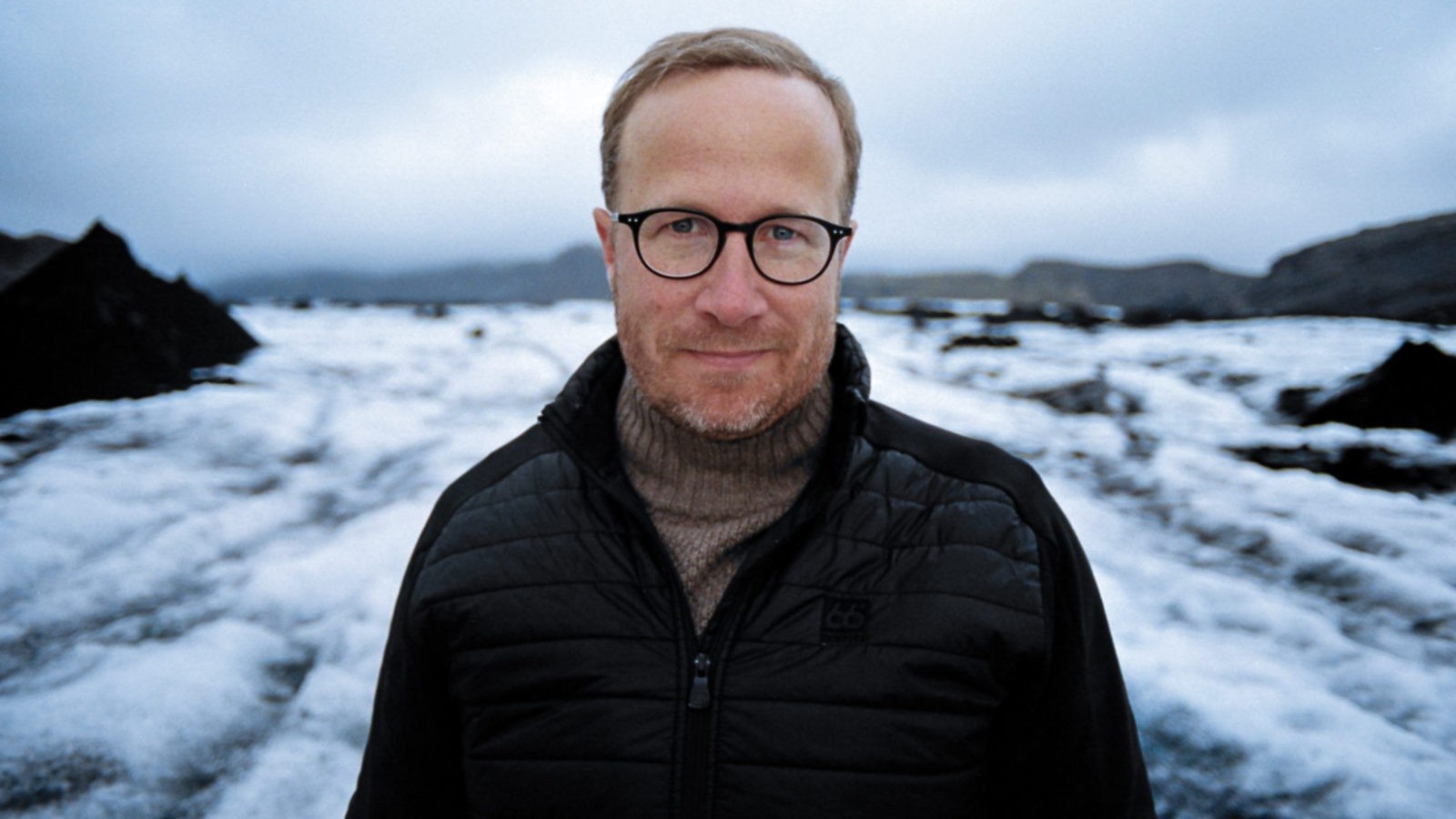
“It was a gift to work with these generational archives as well as cultural archives spanning back 1,000 years,” Dosa remarked during the film’s premiere at the Library Center Theatre in Park City, Utah, on January 27, 2026. By juxtaposing this intimate footage with new captures of the Icelandic landscape, the film suggests that we cannot fully grasp the scale of planetary loss without first understanding our own connection to the places we call home. The result is a narrative that feels less like a lecture on climate science and more like a poem about the fragility of existence.
Building on a Legacy of Environmental Storytelling
For those familiar with Sara Dosa’s previous work, the thematic depth of Time and Water will come as no surprise. Dosa gained widespread critical acclaim for her 2022 documentary Fire of Love, which chronicled the lives and tragic deaths of volcanologists Katia and Maurice Krafft. That film, which earned an Academy Award nomination, showcased Dosa’s unique ability to blend scientific inquiry with profound human emotion. Many of the key creative partners from Fire of Love, including producers Shane Boris and Elijah Stevens, reunited for this new project, bringing a shared sensibility to the task of translating complex environmental themes into visceral cinema.
.gif/200px-Adventure_Time_-_SE04-EP13b_(Giantess).gif "Time and Water Icelandic")
The film’s soundscape, composed by Dan Deacon, plays a pivotal role in establishing this atmosphere. Dosa noted that Deacon’s ability to imbue the score with an expansive, magical quality was essential for a story that bridges the gap between human love and the slow, weeping retreat of glacial ice. Cinematographer Pablo Alvarez-Mesa added that the production team approached the Icelandic landscape with a sense of humility, aiming to “communicate with respect with the landscape and with other people who communicate with it,” rather than simply documenting the terrain.
Why the Loss of Glaciers Matters
The death of Okjökull serves as a symbolic, yet scientifically grounded, anchor for the film. When the glacier was declared dead in 2014, it was more than just a local loss. it was a watershed moment for climate science, highlighting the rapid rate at which Arctic and sub-Arctic regions are being transformed by rising global temperatures. Glaciers are often described as the “water towers” of the world, and their loss affects everything from local ecosystems to global sea levels.
By framing the glacier’s decline as a “funeral,” the film forces an uncomfortable question: How do we mourn a landscape that we have collectively allowed to disappear? Time and Water suggests that the answer lies in our ability to maintain a sense of kinship with the natural world, even as it changes irrevocably. The film’s refusal to fit into a neat “environmental documentary” box is its greatest strength, as it allows the viewer to sit with the ambiguity and the sadness of the present moment.
Key Insights from the Filmmakers
- The Spark: The film was inspired by Andri Snær Magnason’s inquiry into how one properly says goodbye to a glacier, a question that highlights the emotional toll of climate change.
- Archival Integration: The film utilizes a mix of personal family archives spanning generations and new footage to create a “time capsule” of the Icelandic landscape.
- Collaborative Spirit: Reconnecting with the core team behind Fire of Love allowed Dosa to maintain a consistent, poetic tone in exploring extreme geography.
- A Human Perspective: By focusing on the “messy beauty of life,” the documentary avoids being a standard chronicle, opting instead for a more philosophical exploration of human and planetary memory.
Looking Toward the Future
As Time and Water begins its festival run and looks toward a broader release, it stands as a poignant reminder of the work that remains to be done. The conversation surrounding climate change often focuses on data points and policy targets, but Dosa’s film asks us to consider the cultural and personal inheritance we are leaving behind. It is a work that values memory as much as it values the scientific record, suggesting that our best chance for meaningful climate action is to foster a deeper, more personal connection to the earth.

For those interested in following the film’s progress or learning more about the climate issues facing Iceland, official updates regarding screenings and educational resources are expected to be released via the production’s official channels in the coming months. We encourage our readers to share their thoughts on the intersection of family history and environmental stewardship in the comments section below.