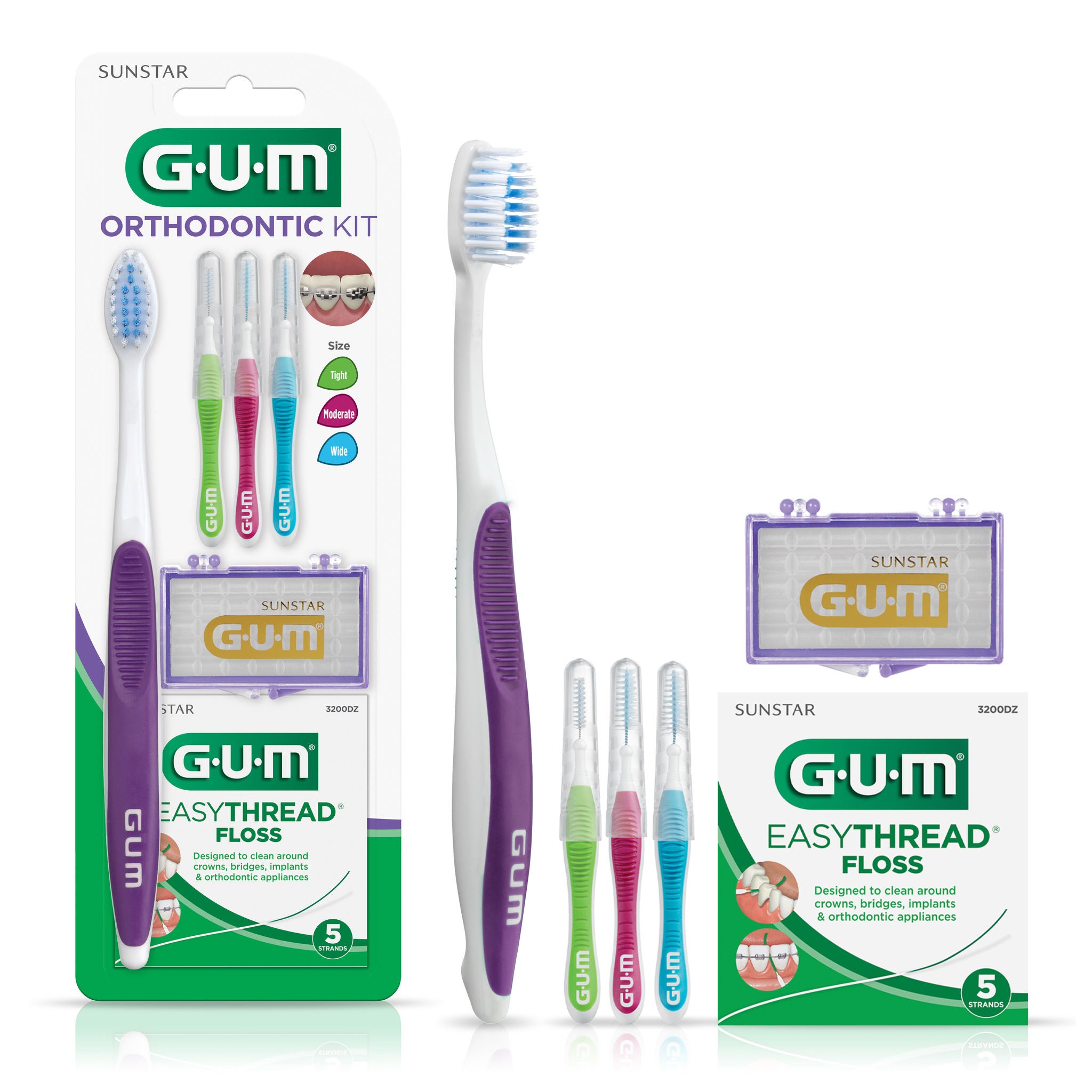
Wearing braces brings unique challenges to daily oral hygiene, transforming what was once a straightforward routine into a more complex task. Food particles easily become trapped around brackets and wires, creating ideal conditions for bacteria to thrive. This increases the risk of plaque buildup, tooth decay, gum inflammation, and bad breath if not addressed properly. For teens and adults alike, maintaining oral health during orthodontic treatment requires extra diligence and the right tools.
Recognizing these challenges, oral care brands have developed specialized solutions designed specifically for orthodontic patients. Among them, the GUM ORTHO line offers a structured, three-step approach aimed at simplifying care while addressing the specific needs of those with braces or aligners. This method focuses on thorough cleaning, protection, and freshness to support patients throughout their treatment journey.
The first step involves using an orthodontic toothbrush designed to navigate around brackets and wires effectively. According to verified dental guidance, electric toothbrushes often outperform manual ones for brace wearers because they can clean around orthodontic appliances more efficiently. However, a soft-bristled manual toothbrush with a small head is also recommended as a suitable alternative for reaching tight spaces.
The second step centers on interdental cleaning, which is crucial for removing debris from areas that regular brushing misses. Tools such as orthodontic floss threaders, interdental brushes, or water flossers are commonly advised to clean between teeth and under wires. This step helps prevent the formation of white spot lesions and reduces the risk of gingivitis during treatment.
The final step incorporates an antimicrobial or fluoride mouthwash to rinse away loosened debris and provide additional protection. Mouthwash helps reach areas that brushing and flossing may miss, reduces bacterial load, and supports enamel strength—particularly important when braces craft thorough cleaning more difficult.
This three-step routine—brush, clean between teeth, rinse—aligns with expert recommendations for orthodontic oral care. Dental professionals emphasize consistency and proper technique over complexity, noting that even a simplified routine, when performed daily, can significantly improve oral health outcomes during treatment.
Beyond the mechanics of cleaning, patient education plays a vital role in success. Orthodontists and hygienists often spend time demonstrating proper brushing angles, flossing techniques with braces, and how to use specialized tools effectively. Visual aids, such as mirrors or disclosing tablets, can help patients see where plaque accumulates and adjust their habits accordingly.
Dietary choices also impact oral hygiene with braces. Sticky, sugary, or hard foods should be minimized, as they can damage appliances or increase plaque retention. Instead, opting for softer, nutrient-rich foods supports both oral health and overall well-being during orthodontic care.
Regular dental check-ups remain essential throughout treatment. Professional cleanings remove tartar buildup that home care might miss, and visits allow orthodontists to monitor gum health, tooth movement, and any early signs of decay. These appointments reinforce the importance of maintaining hygiene between visits.
Psychological factors should not be overlooked. Adolescents, in particular, may feel self-conscious about their appearance with braces, which can affect motivation to maintain rigorous oral care. Framing hygiene as a positive, empowering ritual—rather than a chore—can improve compliance. Some brands and clinics promote this mindset by turning care into a step-by-step journey with visible progress.
Innovations in orthodontic-friendly products continue to evolve. Toothbrushes with V-shaped bristles, floss designed to shred less around wires, and mouthwashes formulated for sensitive mouths are examples of how the industry responds to patient needs. These advancements aim to make effective cleaning more accessible and less frustrating.
successful orthodontic treatment depends not only on the mechanical alignment of teeth but also on the health of the teeth and gums supporting that movement. Poor oral hygiene can lead to complications such as decalcification, cavities, or periodontal issues, potentially prolonging treatment or affecting the final result.
By adopting a consistent, verified routine and using tools designed for the task, patients can protect their investment in their smile. The goal is not just straight teeth, but a healthy, confident smile that lasts well beyond the removal of braces.
For those seeking reliable guidance, consulting with an orthodontist or dental hygienist remains the best first step. They can provide personalized recommendations based on individual needs, appliance type, and oral health status.
Stay informed, stay consistent, and remember that every small effort contributes to a healthier outcome. Share your experiences or tips for oral care with braces in the comments below, and help others navigate this important aspect of orthodontic treatment.
Keep reading