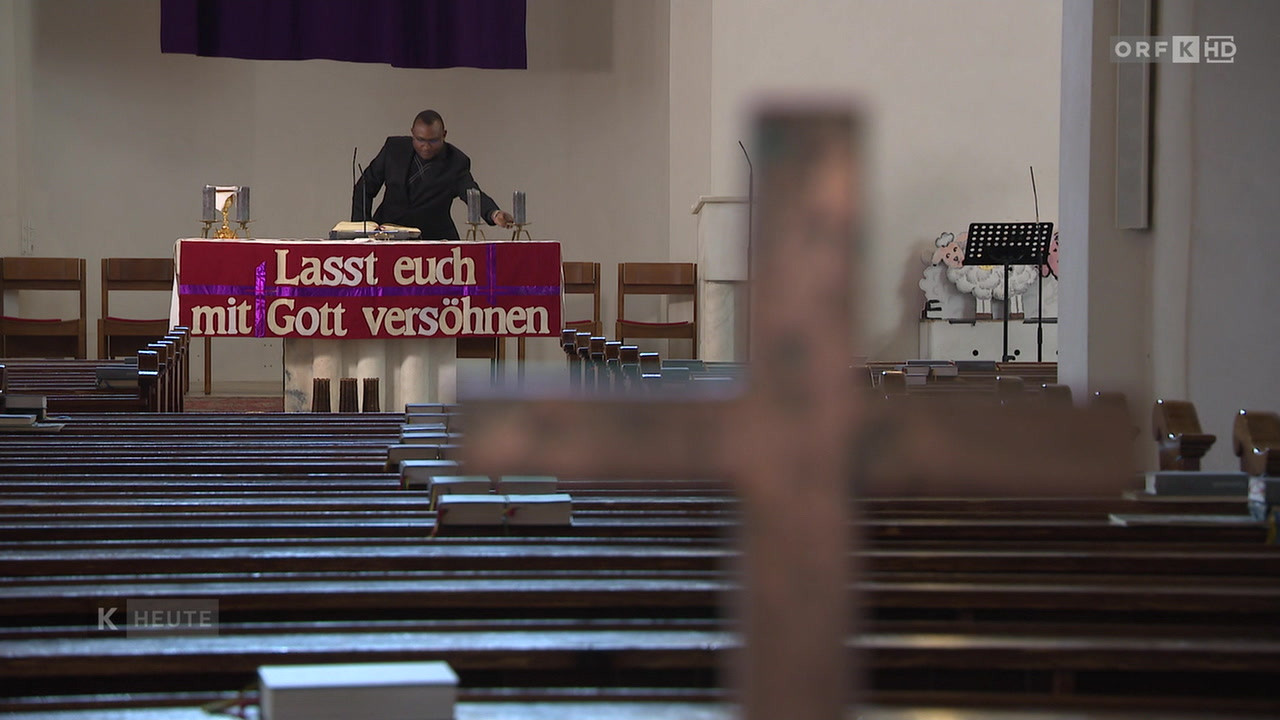
Gurk, Kärnten, Austria – The Diocese of Gurk in Kärnten, Austria, is grappling with a significant shortage of priests, prompting a shift towards greater reliance on lay participation in church duties. This comes as the diocese attempts to maintain its 336 parishes with a dwindling number of clergy, a situation highlighted in recent reports from ORF, the Austrian Broadcasting Corporation. The challenges facing the Diocese of Gurk reflect a broader trend of declining religious vocations across Europe, forcing the Catholic Church to adapt its structures and roles.
The situation is particularly acute in Kärnten, where currently 220 priests serve the region, with nearly half originating from abroad. However, the Diocese of Gurk has announced it will no longer actively recruit priests from overseas, signaling a definitive move towards bolstering the role of laypeople within the church. This decision underscores the growing need for innovative solutions to ensure the continued functioning of parishes and the provision of religious services.
Bishop Egidius Zojc’s diocese is actively introducing “new offices and services” to address the priest shortage, according to Barbara Velik-Frank, the episcopal vicar. These include the roles of acolyte, traditionally associated with assisting at the altar, and lector, responsible for the liturgical readings and overall smooth functioning of parish activities. The established structures of parish councils and their leaders are also being reinforced as vital components of parish life. ORF Kärnten reported on these developments on March 9, 2026.
The Strain on Existing Clergy
The priest shortage is placing a considerable burden on those currently serving. Some priests are now responsible for overseeing up to six parishes simultaneously, a logistical and pastoral challenge. Dieudonne Mavudila-Bunda, a priest originally from the Democratic Republic of Congo who has been serving in Kärnten for eight years, exemplifies this reality. He currently manages four parishes encompassing a total of 8,000 parishioners, including several smaller branch churches and care homes. Despite the workload, Mavudila-Bunda reports that the arrangement is “functioning well,” demonstrating a commitment to serving the community despite the demanding circumstances.
The Diocese of Gurk is committed to maintaining all 336 parishes within Kärnten, despite the difficulties. This commitment reflects a desire to preserve the local character and accessibility of religious services for the region’s population. The increased reliance on laypeople is seen as crucial to achieving this goal, allowing the diocese to distribute responsibilities more effectively and ensure that all communities continue to receive pastoral care.
Grafenstein and Local Developments
Beyond the broader diocesan challenges, local developments in Grafenstein are also making headlines. A building permit for a new Sportbad (sports pool) in Grafenstein has been successfully negotiated, as reported by local news sources. CitiesApps highlights this as a key local event alongside the discussion of the priest shortage. This successful negotiation represents a positive step for the community, promising improved recreational facilities for residents.
The Kärnten heute broadcast on March 9, 2026, also touched upon a “culture of dispute” – “Streitkultur” – relating to the challenges faced by mountain rescue teams during the winter season. This suggests a broader conversation within Kärnten about resource allocation and the pressures faced by emergency services. The broadcast also highlighted the success of local skiers in Italy and the ongoing competition between the VSV and KAC ice hockey teams, demonstrating the diverse range of news covered in the region.
The Role of Laypeople: A Closer Appear
The increasing involvement of laypeople in church duties is not a new phenomenon, but the Diocese of Gurk’s proactive approach signals a significant acceleration of this trend. The roles of acolyte and lector, while traditionally held by those aspiring to the priesthood, are now being opened up to committed lay members of the community. This allows individuals to contribute their skills and dedication to the church without necessarily pursuing ordination. Parish councils, composed of lay representatives, are also being empowered to play a more active role in the decision-making processes within their respective parishes.
This shift towards greater lay involvement is driven by several factors. The declining number of priests makes it increasingly difficult to staff all parishes adequately. The Church recognizes the valuable contributions that laypeople can make, bringing their unique perspectives and experiences to the table. By empowering laypeople, the Church aims to foster a stronger sense of community ownership and participation in parish life.
Challenges and Future Outlook
While the Diocese of Gurk’s strategy represents a pragmatic response to the priest shortage, it also presents challenges. Ensuring that laypeople receive adequate training and support is crucial to their success in these new roles. Maintaining the theological integrity of the Church’s teachings and practices while empowering lay leadership requires careful consideration and ongoing dialogue. The long-term impact of these changes on the structure and identity of the Catholic Church in Kärnten remains to be seen.
The situation in Kärnten is emblematic of a wider crisis facing the Catholic Church across Europe. Declining religious vocations, coupled with changing societal attitudes towards religion, are forcing the Church to adapt its traditional models of operation. The Diocese of Gurk’s emphasis on lay participation may serve as a model for other dioceses facing similar challenges, demonstrating a willingness to embrace innovation and empower the laity in the service of the Church.
The successful negotiation of the building permit for the Sportbad in Grafenstein, alongside the ongoing discussions about the priest shortage and winter rescue challenges, paints a picture of a dynamic and evolving region. Kärnten is navigating a complex set of issues, from religious challenges to infrastructure development and emergency service preparedness, all while striving to maintain its unique cultural identity.
The next key development to watch will be the implementation of the new roles for laypeople within the Diocese of Gurk and the assessment of their impact on parish life. Further updates from the Diocese and ORF Kärnten are expected in the coming months, providing a clearer picture of how this innovative approach is unfolding. Readers are encouraged to share their thoughts and perspectives on these developments in the comments section below.
Keep reading