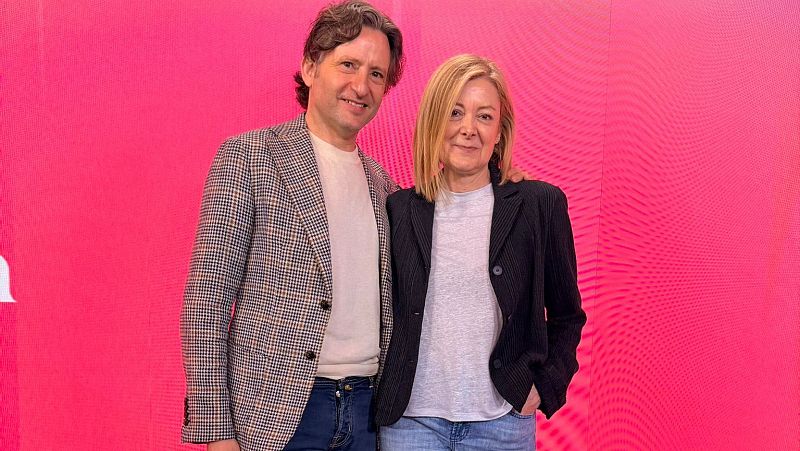
Gustavo Gimeno has established himself as a leading figure in classical music, particularly known for his innovative approach to opera and symphonic conducting. As the musical director of Madrid’s Teatro Real since 2019, he has brought fresh perspectives to traditional repertoire while championing contemporary works. His recent appearance on the Spanish television program “No es un día cualquiera” highlighted his insights into the role of comedy in opera, a topic that continues to resonate within the global classical music community.
The interview, broadcast on RTVE, focused on Gimeno’s belief that great comedies often contain deeper layers of meaning beneath their humorous surface. This perspective aligns with his broader artistic philosophy, which emphasizes the emotional complexity inherent in all forms of musical storytelling, regardless of genre. His comments reach at a time when opera houses worldwide are reevaluating how to make classical works accessible to modern audiences without sacrificing artistic integrity.
During the segment, Gimeno discussed specific examples from the operatic repertoire where humor serves as a vehicle for social commentary or emotional truth. He cited works by composers such as Mozart and Rossini, noting how their comedic operas frequently address themes of love, power, and human folly with remarkable sophistication. The conversation also touched on his efforts at the Teatro Real to balance entertainment value with substantive artistic expression in programming decisions.
Beyond his administrative role, Gimeno maintains an active international conducting schedule, regularly guest-conducting with major orchestras across Europe and North America. His dual role as both administrator and practicing conductor allows him to bridge the gap between artistic vision and practical implementation within the opera house environment.
Gimeno’s Artistic Vision at Teatro Real
Since assuming leadership at the Teatro Real in 2019, Gustavo Gimeno has implemented a programming strategy that seeks to honor the theater’s historical legacy while embracing innovation. His tenure has been marked by a commitment to presenting both canonical works and lesser-known compositions, with particular attention to Spanish and Latin American repertoire. This approach reflects his belief that opera houses should serve as cultural bridges between different musical traditions.
One of Gimeno’s notable initiatives has been the development of educational programs designed to introduce younger audiences to opera. These initiatives include school partnerships, discounted ticket programs, and behind-the-scenes workshops that demystify the operatic experience for newcomers. The Teatro Real has reported increased attendance among younger demographics since the implementation of these programs, though specific figures vary by season.
Gimeno has also prioritized sustainability in theater operations, implementing measures to reduce the environmental impact of productions. This includes energy-efficient lighting systems, waste reduction initiatives, and partnerships with local organizations for sustainable set materials. Such efforts align with broader trends in the performing arts sector toward greater environmental responsibility.
The conductor’s background in both symphonic and operatic conducting informs his approach to leadership at the Teatro Real. Having previously served as chief conductor of the Orchestre Philharmonique du Luxembourg, Gimeno brings a symphonic sensibility to operatic performance, emphasizing the importance of orchestral playing in conveying the full emotional spectrum of a work.
On Comedy and Depth in Opera
During his appearance on “No es un día cualquiera,” Gimeno elaborated on his view that comedic operas often contain profound insights into the human condition. He explained that humor in opera functions not merely as entertainment but as a sophisticated tool for exploring complex emotions and social dynamics. This perspective challenges the common perception of comedy as merely lighthearted or superficial.
Gimeno pointed to Mozart’s “Le nozze di Figaro” as a prime example, noting how the opera’s comedic elements serve to highlight themes of class struggle, gender dynamics, and the pursuit of personal freedom. Similarly, he discussed Rossini’s “Il barbiere di Siviglia,” where the rapid-fire comedy masks a nuanced examination of courtship rituals and societal expectations. These observations reflect a scholarly approach to operatic interpretation that considers both musical and dramatic elements.
The conductor emphasized that recognizing the depth within comedic works requires active listening and engagement from both performers and audiences. He suggested that performers must understand the subtext behind comedic lines and situations, while audiences benefit from looking beyond surface-level humor to appreciate the full artistic intention. This approach, he argued, leads to more meaningful and resonant performances.
Gimeno’s comments come amid ongoing discussions in the opera world about how to present classic works to contemporary audiences. Some critics argue that traditional comedic operas may require contextualization to fully resonate with modern viewers, while others maintain that the works’ inherent humor and humanity transcend historical specifics. Gimeno’s perspective offers a middle ground, suggesting that the works themselves contain the depth needed for contemporary relevance when properly interpreted.
International Career and Influence
Gustavo Gimeno’s influence extends well beyond his role at the Teatro Real. As a guest conductor, he has worked with some of the world’s most prestigious orchestras, including the Berlin Philharmonic, Vienna Philharmonic, and London Symphony Orchestra. These engagements have allowed him to share his interpretive approach with diverse musical communities and bring back insights that inform his work in Madrid.
His conducting style is often described as clear, precise, and emotionally resonant, with particular attention to balance and texture within the orchestral sound. Critics have noted his ability to convey both the structural integrity and emotional depth of complex scores, making his performances accessible to both seasoned listeners and newcomers to classical music.
Gimeno has also been involved in various recording projects, contributing to the documented legacy of contemporary classical performance. His discography includes recordings with the Orchestre Philharmonique du Luxembourg and various guest conducting engagements, showcasing his versatility across different repertoire and ensemble types.
In addition to his performance activities, Gimeno participates in musical education initiatives, conducting masterclasses and workshops for young musicians. These efforts reflect his commitment to nurturing the next generation of classical music talent and ensuring the continued vitality of the art form.
Recent Developments and Future Outlook
As of early 2024, Gustavo Gimeno continues to serve as the musical director of the Teatro Real, with his contract extending through the 2025-2026 season. Recent reports indicate that he is in discussions regarding a potential extension of his tenure, though no official announcements have been made regarding his future beyond the current contract term.
The Teatro Real’s 2023-2024 season featured several productions under Gimeno’s artistic direction, including new productions of classic works and contemporary commissions. Notable among these was a staging of a lesser-known Spanish opera that received critical acclaim for its musical and dramatic execution.
Looking ahead, Gimeno has expressed interest in expanding the Teatro Real’s digital offerings, including increased streaming of performances and enhanced online educational resources. These initiatives aim to reach audiences beyond the physical confines of the theater and adapt to changing patterns of cultural consumption in the digital age.
For those interested in following Gimeno’s work, the Teatro Real’s official website provides regular updates on his conducting schedule, upcoming productions, and educational initiatives. The theater also maintains active social media channels where behind-the-scenes content and performance highlights are shared with the public.
As opera houses around the world navigate the challenges of maintaining relevance in the 21st century, leaders like Gustavo Gimeno play a crucial role in shaping how classical music is presented and experienced. His ongoing work at the Teatro Real exemplifies an approach that seeks to balance tradition with innovation, ensuring that opera remains a vibrant and meaningful art form for diverse audiences.
Related reading