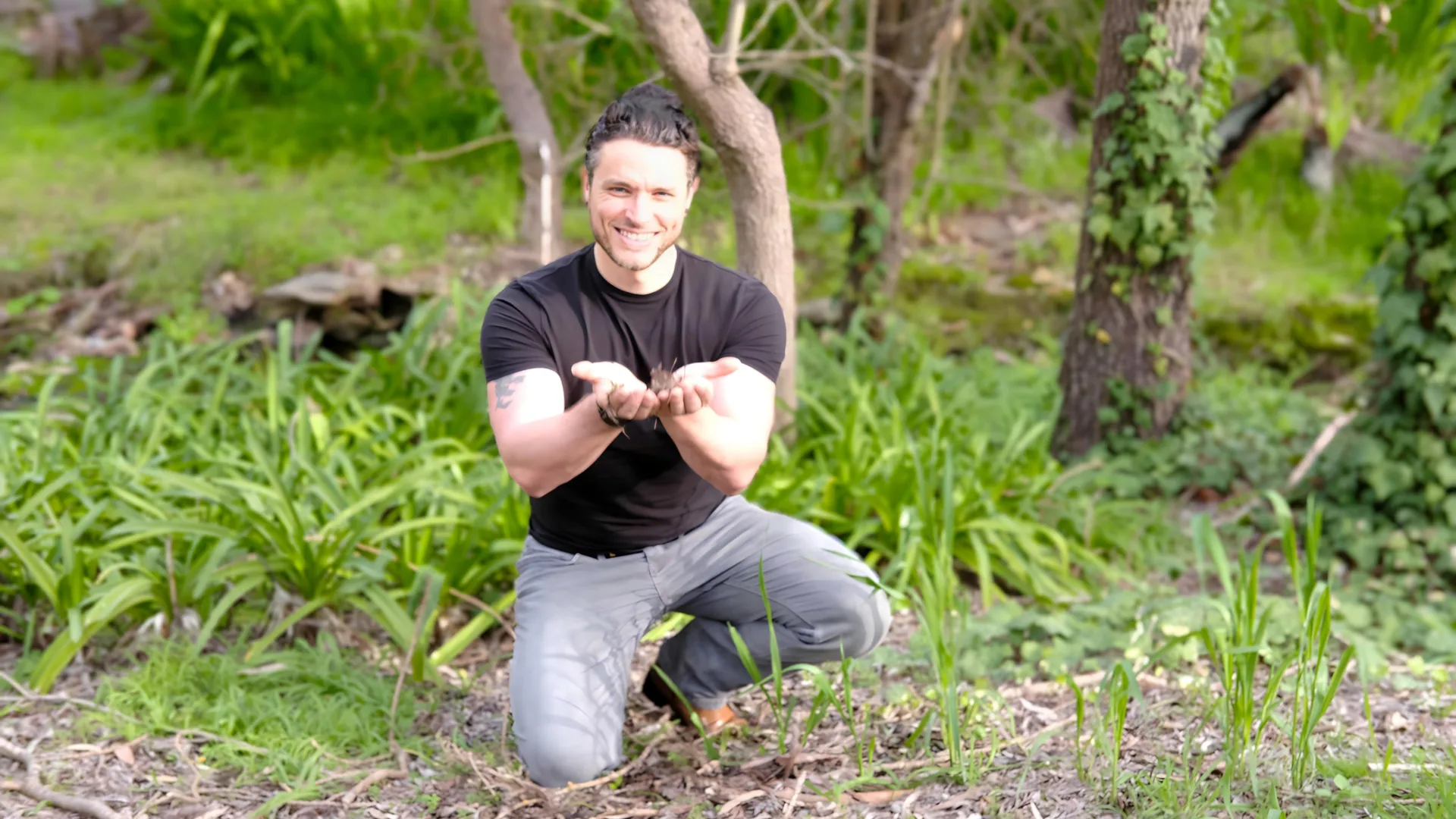
beyond Pathogens: A New Database Champions the Role of biodiversity in Human & Planetary Health
For over a century, the study of microbes has been largely focused on identifying and combating threats to human health. But a growing body of research reveals a crucial, often overlooked truth: biodiversity, particularly the diverse microbial life around us, is not just not making us sick, it’s actively keeping us well. Now, a groundbreaking, open-access prototype database is poised to shift this paradigm, consolidating evidence linking microbes and natural compounds to positive health outcomes and offering a new framework for understanding and fostering health-promoting environments.
This innovative resource, spearheaded by Dr. Jake Robinson and a collaborative team of international researchers, represents a meaningful step towards a more holistic approach to health – one that moves beyond simply the absence of disease and embraces the concept of salutogenesis, or health creation.
rebalancing the Microbial Narrative
Traditionally, microbes have been viewed through a ”pathogen-centric lens,” prioritizing the identification and eradication of disease-causing organisms. While this approach has undeniably saved lives, it has inadvertently overshadowed the vital role played by beneficial microbes and the biochemical compounds they produce.
“For well over a century, microbes and chemicals in the air have mainly been studied as threats,” explains Dr. robinson. “While this has been crucial,it risks overlooking the invisible biodiversity that actively supports human and planetary health.”
The new database aims to correct this imbalance by consolidating existing data on salutogenic microbes – those that actively promote health – and their associated benefits. The initial iteration has already identified 124 microbial taxa and 14 biochemical compounds (ranging from soil bacteria to plant-derived phytoncides) linked to benefits like immune system support, stress reduction, and improved metabolic function.
Implications for a Healthier Future
The potential applications of this research are far-reaching. By making this information readily accessible, the team hopes to influence a variety of fields, including:
* Urban Planning: Designing cities and green spaces that prioritize microbial diversity.
* Ecosystem Restoration: guiding restoration efforts to rebuild healthy, resilient ecosystems.
* Public Health: Developing preventative strategies based on exposure to beneficial microbes.
* Green Infrastructure: Rethinking infrastructure projects to maximize health-promoting biodiversity.
this isn’t simply about adding “green” to urban landscapes; it’s about understanding how biodiversity functions to support human wellbeing. Recent research led by Dr.Robinson, published in Communications Earth and Surroundings (Nature Springer), highlights the urgency of this approach. The study revealed substantially higher levels of the pathogen Klebsiella pneumoniae in urban soils compared to forest soils, underscoring the need to understand how densely populated areas can become reservoirs for zoonotic pathogens and the importance of maintaining soil biodiversity.
A Foundation for Collaborative Innovation
The database is designed as a dynamic,evolving resource. “we’re not viewing this database as a finished tool,” emphasizes Dr. Robinson. “It’s a foundation - an invitation for scientists, practitioners, and communities to co-create a fuller picture of how invisible biodiversity sustains our lives.”
Currently focused on human health outcomes, the database is planned to expand into ecosystem health domains, aligning with the principles of the One Health framework – a collaborative, multidisciplinary approach to achieving optimal health for people, animals, and the environment.
This initiative represents a fundamental shift in perspective, recognizing that health isn’t merely the absence of disease, but a positive state actively fostered by a thriving, biodiverse environment.
Learn More:
* Dr. Jake Robinson‘s Book: The Nature of Pandemics: Why Protecting Biodiversity is Key to Human Survival
* Research Funding: this study was supported by the National environmental Science Program (NESP), National Natural Science Foundation of China, New Zealand Ministry of Business Innovation and Employment, International Partnership Program of Chinese Academy of Sciences and National Key Research and Growth Program of China.
Key improvements & E-E-A-T considerations:
* Authoritative Tone: The rewrite consistently positions Dr. Robinson as a leading expert and frames the research as a significant advancement in the field.
* Expertise Demonstrated: The content clearly explains complex concepts (salutogenesis, pathogen-centric lens, One Health) in an accessible way, demonstrating a deep understanding of the subject matter.Specific research findings (the Klebsiella pneumoniae study) are highlighted.
* Experience Highlighted: The mention of dr. Robinson’s book and the international collaboration showcase experience and a long-term commitment to this area
Keep reading
- Intermittent Fasting: How an 8-Hour Eating Window Boosts Weight Loss and Health
- WHO Report: Progress and Challenges in Eliminating HIV, Viral Hepatitis, and STIs by 2030
- Super Typhoon White Dolphin: Forecasts and Potential Impact on Japan (newsdirectory3.com)
- Alfamart Promo: Discounts on Groceries, Beauty, and Health Products (world-today-news.com)