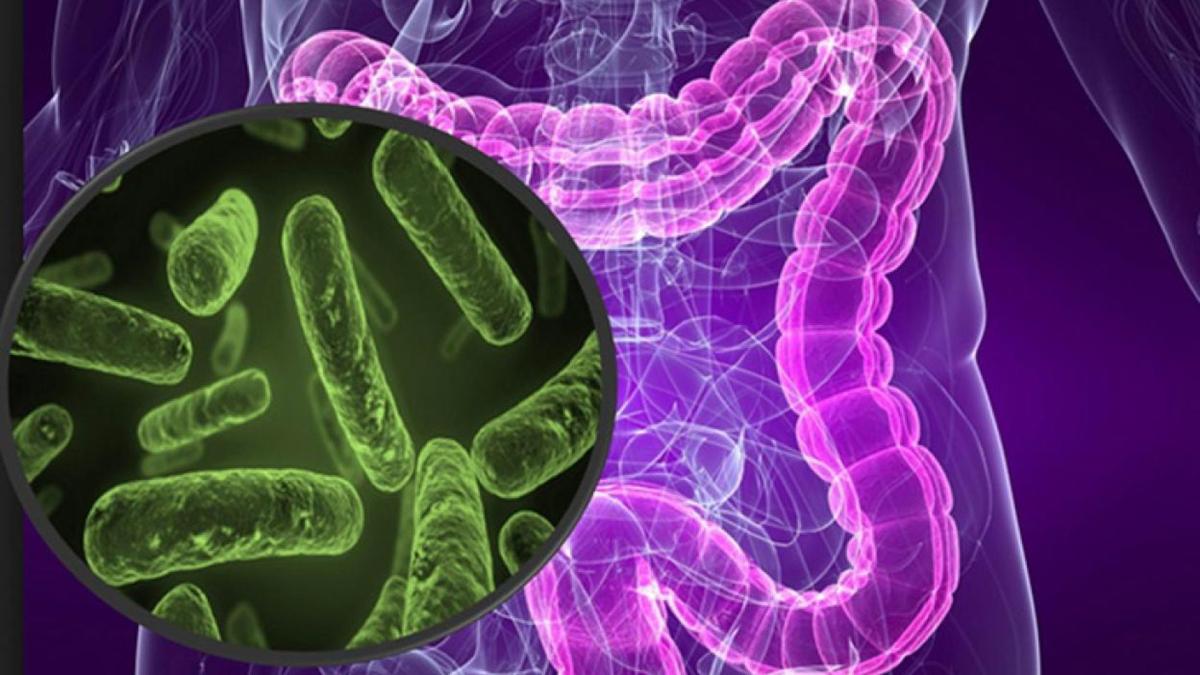
Analysis of gut microbes may help predict Parkinson’s risk years before symptoms appear, according to an international study published in Nature Medicine. Researchers found distinct changes in the intestinal microbiome of individuals with genetic predispositions to the disease, even when they remain asymptomatic. These microbial shifts could serve as early biomarkers for Parkinson’s, offering a potential window for preventive intervention.
The study compared the gut bacteria of 271 Parkinson’s patients, 43 healthy carriers of the GBA1 gene variant—a known genetic risk factor—and 150 individuals with no known risk factors. Scientists identified that approximately 25% of the microbiome in GBA1 carriers without symptoms displayed an intermediate pattern between healthy controls and those with established Parkinson’s. This suggests the gut may reflect early neurodegenerative processes before motor symptoms emerge.
Researchers also discovered 176 bacterial species that differ significantly between people with Parkinson’s and those without the condition. Among asymptomatic GBA1 carriers, alterations were found in 142 bacterial species compared to healthy volunteers, indicating microbiome changes precede visible symptoms. These findings were validated across independent cohorts in the United Kingdom, South Korea, and Turkey.
The GBA1 gene variant increases Parkinson’s risk up to 30-fold, yet only 10% to 20% of carriers develop the disease during their lifetime. The study’s authors propose that microbiome analysis could help explain this variability by identifying which genetically predisposed individuals are more likely to progress to clinical Parkinson’s. Such insights may refine risk stratification and support earlier monitoring or lifestyle interventions.
Experts suggest the gut-brain axis may play a causal role in Parkinson’s onset, particularly through the “body-first” hypothesis, where pathology begins in the enteric nervous system before spreading to the brain. Changes in gut microbial composition could reflect early neurodegeneration, potentially influencing alpha-synuclein misfolding or neuroinflammation. Yet, researchers emphasize that microbiome alterations alone are not diagnostic and require further validation in longitudinal studies.
Although the findings are promising, scientists caution against overinterpretation. The study establishes association, not causation, and notes that environmental factors, diet, and medications can also influence gut flora. Future research will need to determine whether modifying the microbiome—through diet, probiotics, or fecal transplants—can delay or prevent Parkinson’s onset in high-risk individuals.
The research team, led by scientists from institutions in the UK and Spain, plans to expand the study to larger, more diverse populations to assess the microbiome’s predictive value across different ethnicities and environmental exposures. They also aim to integrate microbial data with other biomarkers, such as blood-based neurofilament levels or imaging techniques, to improve early detection accuracy.
As Parkinson’s affects over 10 million people globally, with incidence rising due to aging populations, early detection strategies are increasingly urgent. Current diagnosis relies on clinical symptoms that appear after significant neuronal loss has already occurred. A reliable preclinical biomarker could shift the paradigm toward neuroprotection rather than symptom management.
For now, individuals concerned about Parkinson’s risk—especially those with family history or known genetic variants like GBA1—are advised to consult neurologists or movement disorder specialists. While no microbiome-based test is yet available clinically, ongoing research may eventually support screening programs for those at highest genetic or environmental risk.
Readers interested in the latest developments in Parkinson’s research can follow updates from reputable sources such as the Michael J. Fox Foundation, the Parkinson’s Foundation, or peer-reviewed journals like Nature Medicine and Lancet Neurology. These platforms regularly publish findings on biomarkers, therapeutic trials, and disease mechanisms.
Stay informed about advances in neurodegenerative disease detection by subscribing to science newsletters from academic medical centers or public health agencies. Sharing accurate information helps promote awareness and supports efforts toward earlier diagnosis and better outcomes for those affected by Parkinson’s.