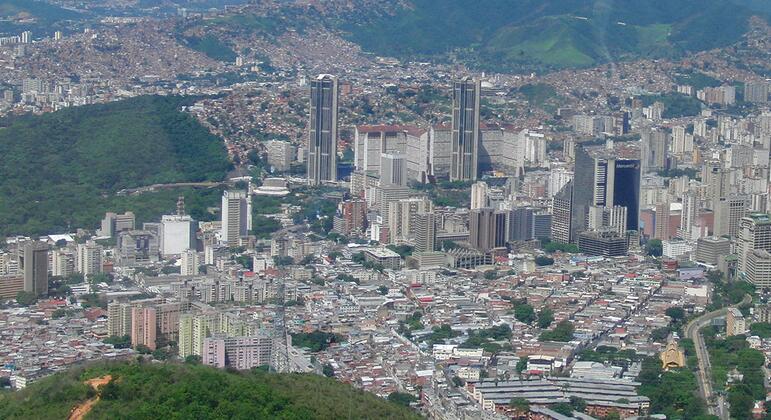
US Military action in Venezuela: A Breach of International Law and Escalating Regional Instability
The recent US military intervention in venezuela, initiated with overnight strikes near Caracas, represents a deeply concerning escalation of tensions and a potential breach of international law. This action, occurring under the former Trump administration, follows months of increasing pressure on the Maduro government, including sanctions, naval build-up, and the seizure of oil tankers. While framed as a move to facilitate a “safe, proper and judicious transition” of power, the operation has sparked widespread condemnation and raises serious questions about the future of the region.
This article will delve into the details of the situation, analyze the legal and political ramifications, and explore the implications for both the Venezuelan people and the broader international community.
A History of Escalation & The 2020 Indictment
The current crisis didn’t emerge in a vacuum. For years, the US has pursued a policy of isolating and destabilizing the Maduro regime, citing concerns over human rights abuses, corruption, and the country’s alleged role in the international drug trade.
Notably, a 2020 narcoterrorism indictment in New York played a significant role in escalating tensions. This indictment targeted high-ranking Venezuelan officials, accusing them of collaborating with the FARC rebel group in Colombia to traffic narcotics. The trump administration used this as justification for increased sanctions and military pressure.
However, critics argue that these actions were primarily motivated by a desire to control Venezuela’s vast oil reserves – the largest proven reserves in the world – and to counter the influence of rival powers in the region.
What Happened? The US Intervention Unfolds
The US operation began with targeted strikes in and around the Venezuelan capital. Venezuela promptly declared a state of national emergency, though the full extent of the damage and casualty figures remain unconfirmed.
Prior to the strikes, the US had already been flexing its military muscle, conducting a significant naval build-up off the Venezuelan coast and intercepting oil tankers destined for the country. President Trump, speaking from Mar-a-Lago, explicitly stated the US intended to “run Venezuela” until a desired political outcome was achieved, promising US oil companies would benefit from infrastructure modernization.
The UN Response: A Condemnation of Force
The international community has largely reacted with alarm. UN Secretary-General António Guterres issued a strong statement, expressing deep concern over the escalation and emphasizing the importance of respecting international law.
Specifically, Guterres highlighted the following:
* Hazardous Precedent: The US action sets a worrying precedent, potentially undermining the principles of national sovereignty and non-interference.
* Violation of the UN Charter: The intervention appears to contravene the UN Charter, which prohibits the threat or use of force against another nation.
* Need for Dialog: Guterres urged all parties to engage in inclusive dialogue, grounded in human rights and international law.
The UN Human Rights Chief, Volker Türk, echoed these concerns, stressing that the protection of the Venezuelan people must be paramount. Venezuela has formally requested an emergency session of the UN Security Council to address the situation.
International Law & The Principle of Non-Intervention
At the heart of the controversy lies the basic principle of non-intervention in the internal affairs of sovereign states. Article 2(4) of the UN Charter explicitly prohibits the threat or use of force against the territorial integrity or political independence of any state.
As President of the UN General Assembly, Annalena Baerbock, powerfully stated, the UN Charter is not an “optional document.” She emphasized that ”might does not make right” and that a peaceful world requires adherence to the rule of law.
You might be wondering, what exceptions exist to this principle?
Generally, the use of force is only permissible in cases of self-defense (as authorized by Article 51 of the UN Charter) or when authorized by the UN Security council. Neither of these conditions appears to have been met in the venezuelan intervention.
Implications for You and the Region
This situation has far-reaching implications, not just for Venezuela, but for the stability of Latin America and the international order.
* Humanitarian Crisis: The intervention risks exacerbating the already dire humanitarian situation in Venezuela, potentially leading to increased displacement and suffering.
* Regional Instability: The crisis could embolden other actors to intervene in the affairs of neighboring countries, further
Keep reading