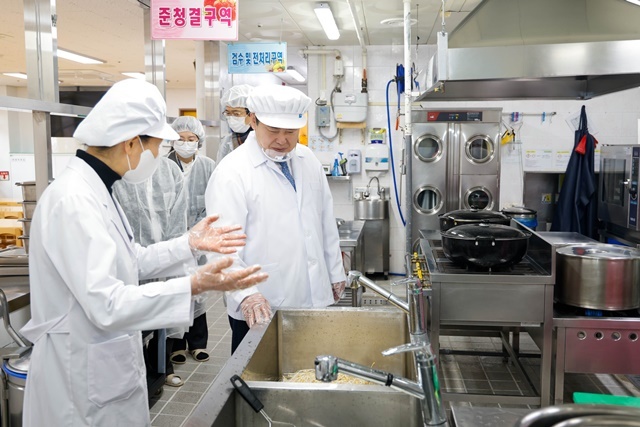
The health and well-being of students are paramount, and ensuring safe and nutritious school meals is a critical component of that commitment. In Gwangju, South Korea, authorities are taking proactive steps to safeguard student health as the latest school year approaches. A recent intensive inspection of school food services, conducted by the Gwangju Metropolitan Office of Education, underscores a dedication to providing students with safe and reliable meals. This initiative comes at a time when concerns about food safety and hygiene are increasingly prevalent globally, prompting educational institutions to prioritize preventative measures.
The Gwangju Metropolitan Office of Education, led by Superintendent Lee Jeong-seon, initiated a comprehensive inspection of school meal programs from February 20th to 26th, 2026. This focused effort targeted a range of educational institutions within the city, including kindergartens, elementary, middle, and high schools, as well as special education schools. The inspections aimed to identify and address potential risks related to foodborne illnesses and maintain high standards of hygiene in school kitchens. The move reflects a broader trend in South Korea towards heightened food safety regulations and increased parental scrutiny of school meal programs. According to data from the Ministry of Education, South Korea has seen a steady increase in the number of school meals served annually, reaching over 1.4 billion meals in 2024, making robust safety protocols essential. Lee Jeong-seon, the Gwangju Metropolitan Office of Education Superintendent, has publicly emphasized the importance of these measures.
Superintendent Lee Jeong-seon Leads On-Site Inspections
Superintendent Lee Jeong-seon personally visited Jinnam Kindergarten on February 25th, 2026, to observe the school’s food service operations firsthand. Accompanied by officials from the Office of Education’s food service team, Superintendent Lee meticulously examined various aspects of the kitchen environment. This included assessing the cleanliness and maintenance of food preparation facilities, the hygiene of cooking utensils, the proper storage of ingredients, and the verification of expiration dates. This hands-on approach demonstrates a commitment to ensuring that safety protocols are not merely theoretical but are actively implemented and maintained at the school level. The focus on these details reflects a growing awareness of the potential for foodborne illnesses in school settings and the importance of proactive prevention.
Focus on Schools with Aging Facilities and High Meal Volume
The Gwangju Metropolitan Office of Education prioritized schools with older facilities or those serving a high volume of meals – two or three meals a day – during the inspection period. Specifically, the inspections included Dongrim Elementary School, Chosun University Affiliated Middle School, Jeonnam High School, and Gwangju Seonkwang School. These schools were selected due to the increased potential for hygiene-related challenges associated with aging infrastructure or the logistical complexities of preparing a large number of meals daily. The inspection teams proactively identified areas for improvement and issued directives for necessary upgrades and enhanced hygiene practices. This targeted approach ensures that resources are allocated effectively to address the most pressing needs and mitigate potential risks.
Key Inspection Areas
The inspection process was comprehensive, covering several critical areas to ensure food safety. These included:
- Facility and Environmental Management: Assessing the overall cleanliness and maintenance of the kitchen and dining areas.
- Cooking Utensil Hygiene: Verifying the proper cleaning and sanitation of all cooking equipment.
- Ingredient Storage: Ensuring that food ingredients are stored at appropriate temperatures and in a manner that prevents contamination.
- Expiration Date Verification: Checking that all ingredients are within their expiration dates and that expired items are properly discarded.
School officials were urged to maintain rigorous hygiene standards and to prioritize food safety in all aspects of meal preparation. Prior to the Office of Education’s inspections, schools had already conducted their own internal checks in preparation for the new academic year. This layered approach – combining self-assessment with external oversight – aims to create a robust system of food safety management.
Transparency and Future Outlook
The Gwangju Metropolitan Office of Education anticipates that these special inspections will enhance transparency in school food service operations and foster a safer dining environment for students. Superintendent Lee Jeong-seon emphasized the importance of vigilance and a commitment to preventing foodborne illnesses. “We must remain vigilant to ensure that no incidents of food poisoning occur in our schools,” Superintendent Lee stated. “We are committed to providing our students with healthy and safe meals in a secure environment.” The office plans to continue monitoring school food services regularly and to provide ongoing support and training to school staff.
The emphasis on school food safety in Gwangju aligns with a broader national trend in South Korea. The Ministry of Food and Drug Safety has implemented increasingly stringent regulations regarding school meals, including mandatory HACCP (Hazard Analysis and Critical Control Points) certification for school kitchens. The recent inspections by the Gwangju Metropolitan Office of Education are a proactive step towards ensuring compliance with these regulations and safeguarding the health of students. The ongoing commitment to food safety will undoubtedly contribute to a more positive and productive learning environment for students across the region.
Looking ahead, the Gwangju Metropolitan Office of Education will continue to assess the effectiveness of its food safety measures and adapt its strategies as needed. The next scheduled review of school food service policies is slated for November 2026, where feedback from schools, parents, and health officials will be incorporated to further refine the system. We encourage parents and community members to share their feedback and contribute to the ongoing effort to provide safe and nutritious meals for all students.
Related reading