
The United States has recorded its first human death linked to the highly pathogenic avian influenza A(H5N1) virus, marking a sobering escalation in the ongoing domestic outbreak. The Centers for Disease Control and Prevention (CDC) confirmed the fatality on January 6, 2025, following a report from the state of Louisiana.
The deceased patient had been previously hospitalized with a severe case of H5N1 bird flu, which was first confirmed by federal health officials on December 18, 2024. This sequence of events represents the first instance of both severe illness and death attributed to the virus within the United States during the current outbreak cycle.
According to the Louisiana Department of Health, the patient was over the age of 65 and had underlying medical conditions. Health officials reported that the individual contracted the virus after exposure to a combination of non-commercial poultry and other animals. While the loss is tragic, the CDC noted that a death from H5N1 in the U.S. Is not unexpected
given the known potential for these viruses to cause severe respiratory illness and death in humans.
Understanding the H5N1 Threat and Current Risk
Avian influenza A(H5N1), commonly known as bird flu, is a highly pathogenic virus that primarily affects birds. However, the current strain has demonstrated an alarming ability to jump species, causing widespread outbreaks in U.S. Poultry and dairy cows, and sporadically infecting humans. Most human cases in the U.S. Have been associated with dairy and poultry workers who had direct contact with infected animals.
Despite this fatality, the CDC maintains that the current general public health risk remains low. The virus primarily spreads from animals to humans; there has been no evidence of sustained human-to-human transmission, which is the primary requirement for a pandemic scenario. As of January 6, 2025, there were 66 confirmed human cases of H5N1 bird flu in the United States according to reports from the University of Nebraska Medical Center.
Why Underlying Conditions Matter
The fact that the deceased patient was over 65 and had comorbidities is a critical detail for clinicians and public health experts. In many zoonotic infections, individuals with weakened immune systems or chronic health issues—such as diabetes, cardiovascular disease, or chronic obstructive pulmonary disease (COPD)—are at a significantly higher risk of progressing from mild infection to severe pneumonia and multi-organ failure.
The Broader Context of the U.S. Outbreak
The trajectory of H5N1 in the U.S. Has shifted over the last two years. While sporadic human infections have occurred since 2022, the virus’s entry into the dairy cattle population has created fresh pathways for human exposure. The CDC continues to use its flu surveillance systems to monitor for activity in people and is working closely with state health departments to monitor individuals with known animal exposures.
The risk assessment remains a focal point for federal agencies. A scenario-based human health risk assessment updated as of April 29, 2025, by the Center for Outbreak Response Innovation (CORI) at Johns Hopkins University indicated that risk levels remained unchanged at that time, noting that a risk increase would require confirmed human-to-human transmission or evidence of increasing disease severity across a broader population per the CORI narrative report.
Key Transmission Pathways
- Direct Animal Contact: The most common route is through contact with infected birds or livestock, particularly through saliva, mucus, or feces.
- Environmental Exposure: Contact with contaminated surfaces in barns or poultry processing facilities.
- Inhalation: In high-density environments, respiratory droplets from infected animals can be inhaled by humans.
Preventative Measures and Public Guidance
To mitigate the risk of infection, health authorities recommend several primary precautions, especially for those working in agriculture or living in areas with active outbreaks:
Avoid Direct Contact: Avoid unprotected contact with sick or dead animals, including wild birds, and livestock. If you must handle animals, the use of personal protective equipment (PPE), such as gloves and masks, is strongly advised.
Food Safety: Ensure that all poultry and egg products are cooked to a safe internal temperature. The USDA continues to monitor the safety of the commercial food supply, and thus far, there have been no reports of H5N1 being transmitted to humans through properly cooked food.
Symptom Monitoring: Individuals who have had contact with infected animals should monitor themselves for symptoms such as fever, cough, sore throat, and muscle aches. If symptoms develop, This proves imperative to contact a healthcare provider immediately and mention the animal exposure.
Where to Discover Official Updates
For the most current data on human cases and animal outbreaks, the public is encouraged to visit the CDC’s H5 Bird Flu Situation Summary, which provides updated highlights on the virus’s spread and current risk assessments.
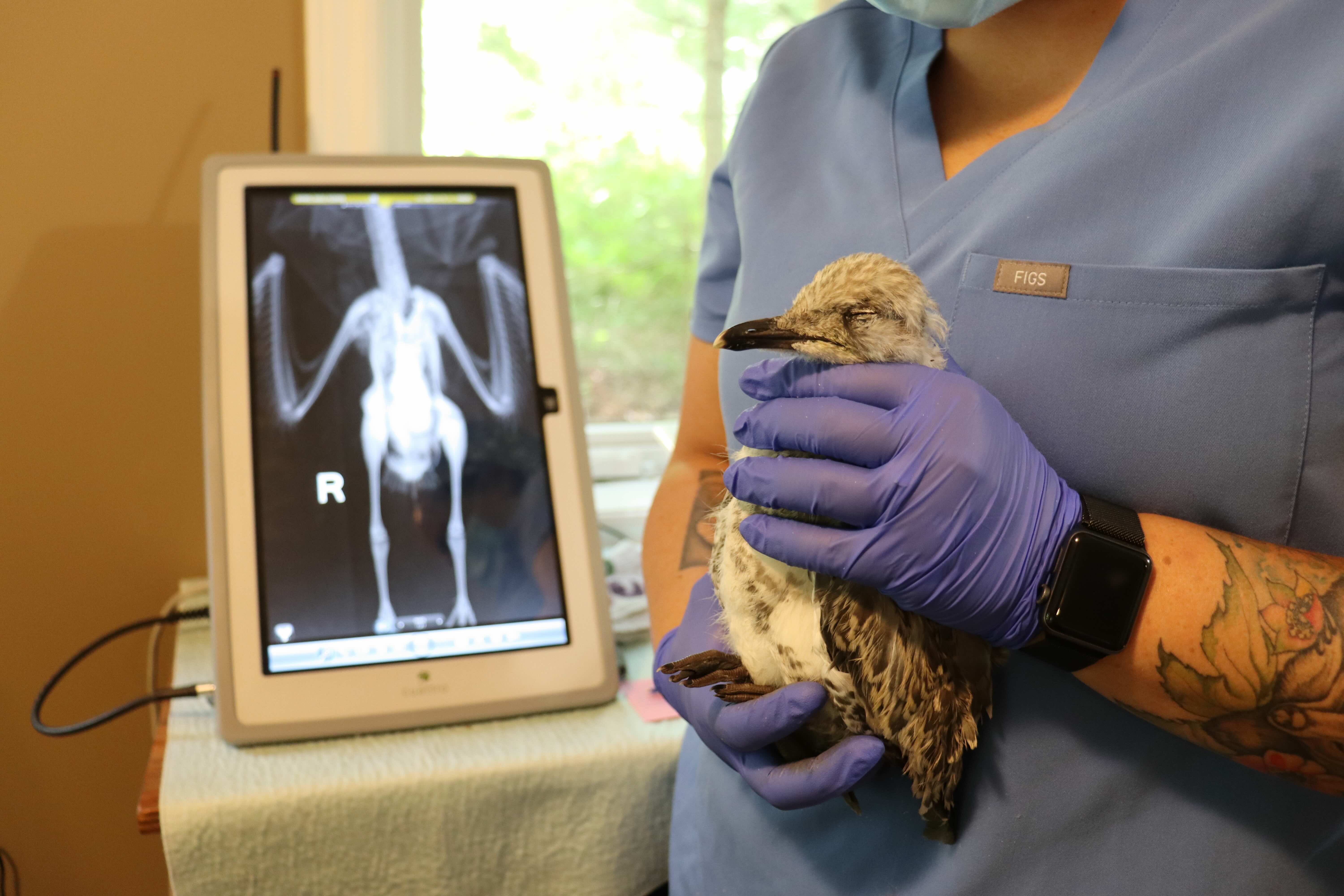
Medical Analysis: The Challenge of H5N1
As a physician, I must emphasize that A(H5N1) is fundamentally different from the seasonal flu. While seasonal influenza is adapted for easy human-to-human spread, H5N1 is not. However, when it does infect a human, the resulting illness can be far more severe. The virus often triggers a “cytokine storm”—an overreaction of the immune system that can lead to severe lung damage and acute respiratory distress syndrome (ARDS).
The challenge for the global health community is the virus’s ability to mutate. Every time the virus jumps from an animal to a human, it has an opportunity to adapt. If the virus acquires mutations that allow it to bind more effectively to receptors in the human upper respiratory tract, the potential for human-to-human transmission increases.
| Date | Event | Significance |
|---|---|---|
| December 18, 2024 | First severe H5N1 case confirmed in Louisiana | First instance of severe illness in the current U.S. Outbreak. |
| January 6, 2025 | First H5N1-related human death reported | First fatality in the U.S. Linked to the current H5N1 strain. |
| February 26, 2025 | CDC Response Update | Analysis of genetic sequences and animal exposures in multistate outbreak. |
| April 29, 2025 | CORI Risk Assessment Update | Risk levels maintained; monitoring for human-to-human transmission. |
The ongoing surveillance by the CDC and the USDA is vital. By sequencing the virus from both animal and human cases, scientists can track mutations in real-time and develop candidate vaccine viruses (CVVs) that can be quickly scaled up if the public health risk level increases.
The next critical checkpoint for public health officials will be the continued monitoring of serology testing and genetic sequencing of new cases to determine if the virus is evolving toward easier human transmission. The CDC continues to provide regular “Spotlight” updates on its response and findings.
Do you have questions about the current bird flu risk or how to protect yourself? Share your thoughts in the comments below or share this article with your community to spread verified health information.
Worth a look