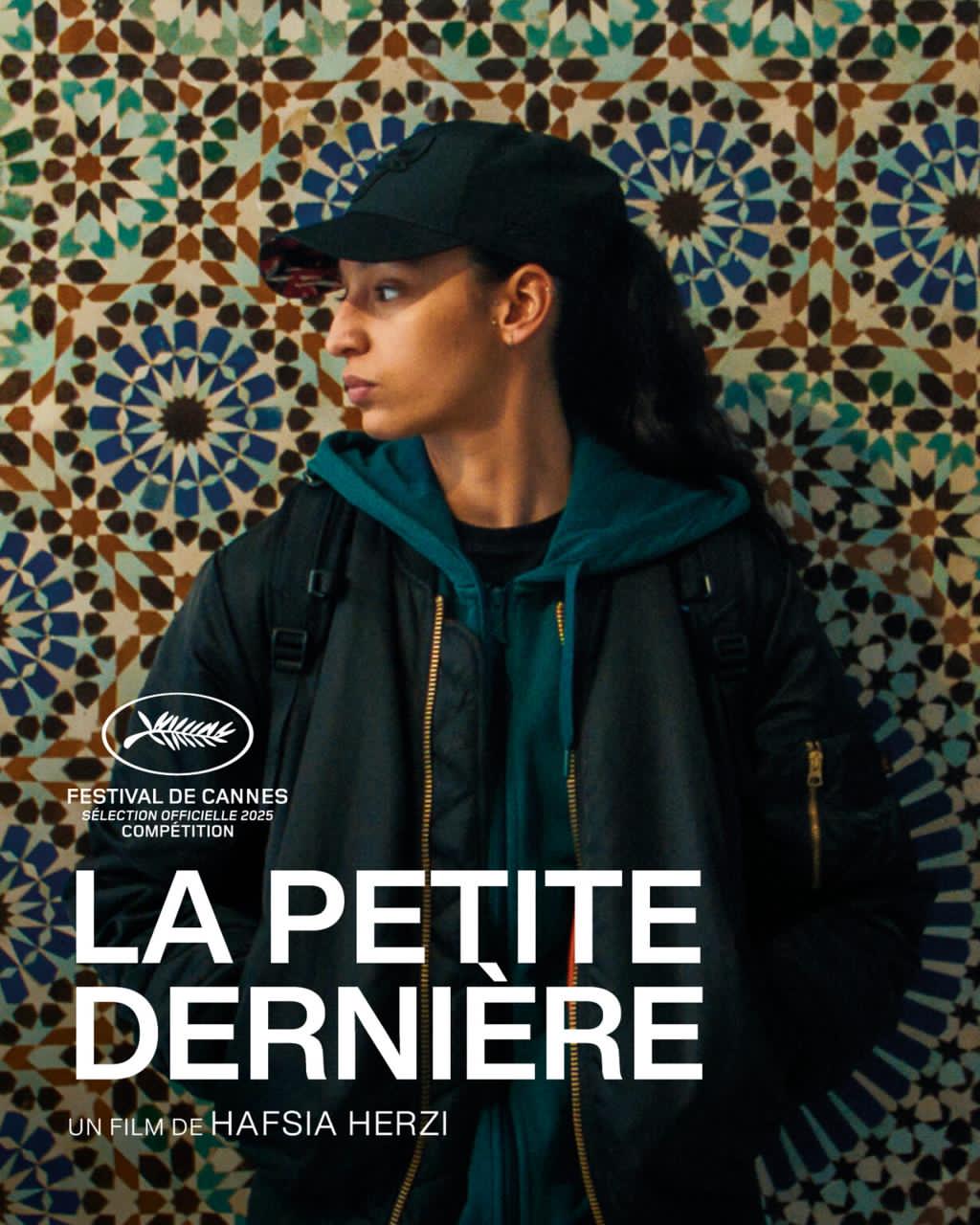
When Hafsia Herzi stepped behind the camera for her third feature as director, she brought with her the intimate perspective of someone who has lived both in front of and behind the lens. Her film La più piccola (known internationally as La Petite Dernière) arrived in Italian theaters on April 23, 2026, distributed by Fandango, marking a significant moment for autobiographical storytelling in contemporary European cinema. Based on Fatima Daas’s 2020 novel of the same name, the French-language drama explores identity, faith, and self-discovery through the eyes of a young woman navigating her sexuality within a traditional Algerian-French family in the suburbs of Paris.
The film premiered in competition at the 78th Cannes Film Festival on May 16, 2025, where it garnered critical attention and awards recognition for its lead actress, Nadia Melliti. Melliti received the Prix d’interprétation féminine at Cannes and later won the César Award for Most Promising Actress, honors that underscored the impact of her debut performance as Fatima, the titular “youngest daughter” grappling with her homosexuality amid familial and religious expectations. These accolades positioned La più piccola as one of the standout European films of the 2025 festival circuit.
Directed and written by Hafsia Herzi, the 115-minute drama blends coming-of-age sentiment with sociocultural observation, continuing her evolution from acclaimed actress to auteur. Herzi, known for roles in films such as The Secret of the Grain and Mal de pierres, transitioned to directing with Maestro (2021) and Les Bonne Étoiles (2023) before this deeply personal adaptation. Speaking about the project, she emphasized the importance of translating Daas’s novel with fidelity, noting how the story’s emotional core—centered on shame, silence, and the search for belonging—resonated beyond its specific cultural context.
Produced by June Films, Katuh Studio, and Arte France Cinéma, with Julie Billy and Naomi Denamur as producers, the film features cinematography by Jérémie Attard, editing by Géraldine Mangenot, and an original score by Amine Bouhafa. The creative team worked to visualize the interiority of Fatima’s journey, using long takes and natural lighting to evoke the claustrophobia and tenderness of domestic life in Clichy-sous-Bois, the northeastern Paris suburb where the story unfolds. Costume design by Caroline Spieth and set design by Dièné Bérété further grounded the narrative in a specific socio-economic reality.
Upon its French theatrical release on October 1, 2025, via distributor Ad Vitam, La più piccola received a mixed but generally favorable critical response. On Rotten Tomatoes, the film holds an 88% approval rating based on critic reviews, whereas Metacritic assigns it a weighted average score of 67 out of 100. Critics praised its emotional authenticity and Melliti’s nuanced portrayal, though some noted the film’s deliberate pacing and restrained style might challenge viewers seeking more conventional narrative momentum. The depiction of queer identity within a Muslim immigrant household sparked discussion about representation in French cinema, particularly regarding stories that avoid sensationalism in favor of psychological realism.
As the film opened in Italy on April 23, 2026—coinciding with the date noted in promotional materials—it joined a growing wave of international arthouse titles finding audiences through specialized distributors like Fandango, which has increasingly focused on bringing European auteur cinema to Italian screens. The timing also aligned with broader conversations about LGBTQ+ narratives in global film festivals, following increased visibility for queer stories at Cannes, Berlinale, and Venice in recent years.
While La più piccola does not claim to speak for all experiences of queer Muslims or children of immigrants, its strength lies in its specificity: a single girl’s quiet rebellion against inherited norms, her first love with a classmate named Ji-na (played by Park Ji-min), and the quiet moments—like a prolonged shot of Fatima staring at her reflection—that define her awakening. Herzi’s direction avoids melodrama, instead allowing silence and gesture to carry emotional weight, a stylistic choice consistent with her earlier perform as both actor and filmmaker.
The film’s journey from novel to festival premiere to international release reflects a broader trend in European cinema where autobiographical adaptations by women directors are gaining prominence. Similar to works like Portrait of a Lady on Fire or Atlantics, La più piccola uses personal history to explore universal themes of desire, duty, and the courage required to live authentically. For audiences encountering it in Italian theaters in spring 2026, the film offers not just a story about coming out, but a meditation on what it means to be seen—or to finally see oneself.
As of now, there are no announced plans for a wide streaming release or sequel projects tied to the film. Hafsia Herzi has not publicly disclosed her next directorial effort, though she continues to act in select projects. Nadia Melliti, following her breakout role, has been linked to several upcoming French productions, though none have been confirmed as of this writing. Those interested in following the film’s festival trajectory or critical reception can refer to its official page on the Cannes Film Festival website or its entry in the Unifrance database, which tracks French cinema internationally.
For readers seeking thoughtful, character-driven international cinema, La più piccola represents a compelling addition to the canon of coming-of-age stories told with restraint and depth. Its arrival in Italy invites reflection not only on the struggles of its protagonist but on the quiet power of films that dare to linger in the spaces between words—where identity is not declared, but discovered.
If you’ve seen La più piccola or are planning to watch it, we’d love to hear your thoughts. Share your reaction in the comments below, and consider sharing this article with others who appreciate global cinema that speaks softly but leaves a lasting impression.
Related reading