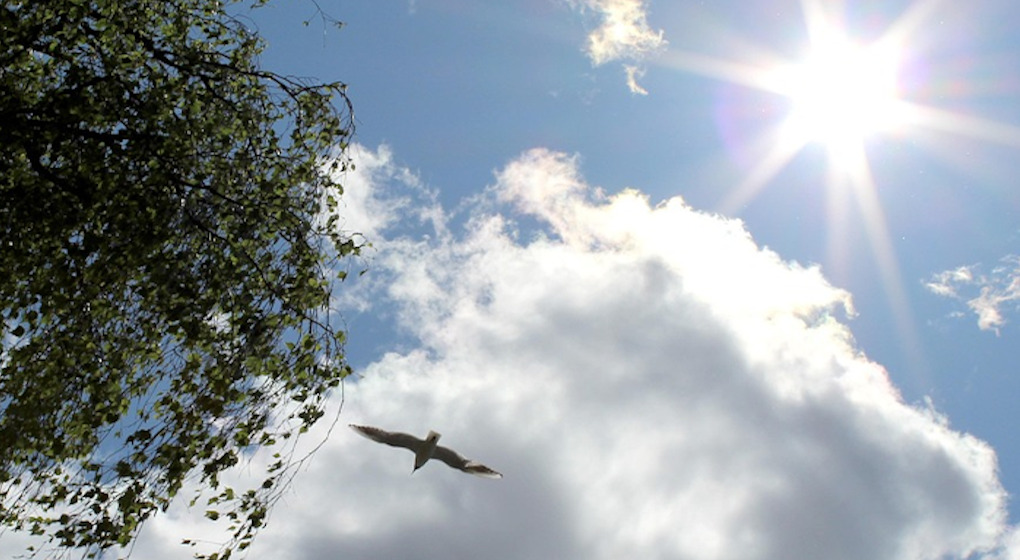
Belgium’s weather outlook for Thursday, April 23, 2026, indicates a mild and pleasant day across much of the country, with temperatures expected to reach up to 20 degrees Celsius in lowland areas and slightly cooler conditions in elevated regions such as the Hautes Fagnes. According to the latest forecast from BX1, a trusted Belgian news outlet specializing in regional updates, the Hautes Fagnes plateau is projected to witness highs of 19 to 20 degrees, while the surrounding plains and the Belgian Lorraine region are also expected to experience similar warmth under light to moderate winds initially blowing from the east to northeast.
This weather pattern aligns with typical spring conditions in the Ardennes and eastern Belgium, where the Hautes Fagnes—known as the country’s highest and most extensive peat bog area—often experiences cooler temperatures due to its elevation and unique microclimate. Reaching a maximum elevation of 694 metres at the Signal de Botrange, the highest point in Belgium, the Hautes Fagnes frequently records lower temperatures than surrounding lowlands, even during warmer seasons. The region’s vast expanse of over 5,000 hectares of protected natural reserve, established in 1957 as Wallonia’s oldest nature sanctuary, contributes to its distinct atmospheric conditions, including frequent fog and high humidity, which can influence local temperature readings.
The Hautes Fagnes form part of the larger Hautes Fagnes-Eifel Nature Park, a cross-border protected area spanning approximately 67,000 hectares between eastern Belgium and western Germany. This ecological zone, recognized for its biodiversity and rare peatland habitats, supports a range of flora and fauna adapted to its cool, wet environment. While the current forecast suggests unusually mild conditions for the plateau, historical climate data shows that April temperatures in the Hautes Fagnes typically range from 3 to 12 degrees Celsius, making the projected 19–20 degrees notably above average for this time of year.
Such warmth in the high fens could impact delicate ecosystems, particularly active peat bogs, which rely on consistently cool and wet conditions to preserve their ecological function. Scientists have noted that prolonged periods of above-average temperatures may accelerate peat decomposition, potentially affecting carbon storage capacity in these vital wetlands. The Hautes Fagnes contain some of Europe’s most significant active raised bogs, with peat layers reaching up to seven metres in thickness in certain areas, formed over roughly 7,500 years since the last glacial period.
Despite the mild outlook, weather variability remains characteristic of the region. The forecast notes winds will be weak to moderate from the east to northeast, a direction that can bring drier air masses from continental Europe, reducing the likelihood of precipitation during the day. However, the Hautes Fagnes are known for rapid weather shifts, and localized fog or mist could still develop in sheltered valleys and depressions, even under generally sunny skies.
For residents and visitors planning outdoor activities, the mild temperatures and sunny intervals offer favorable conditions for hiking, cycling, or nature observation in the Hautes Fagnes and surrounding Ardennes areas. Trail networks such as those near Baraque Michel and the Vecquée boardwalk remain accessible, though authorities advise checking for any temporary restrictions due to conservation efforts or ground sensitivity, particularly in wetter sections of the peat bogs where foot traffic can cause erosion.
The Belgian Royal Meteorological Institute (IRM) provides official weather updates and warnings for the region, with real-time data available through its public forecasting services. While no severe weather alerts are currently in effect for April 23, 2026, the IRM recommends monitoring short-term forecasts, especially for those venturing into higher elevations where conditions can change rapidly.
As spring progresses, the Hautes Fagnes continue to serve as a vital natural refuge and a popular destination for eco-tourism in Wallonia. Its unique blend of stark beauty, ecological importance, and cultural heritage—shaped by centuries of peat extraction and traditional land utilize—makes it a significant site for both scientific study and public enjoyment. Any significant shifts in seasonal weather patterns, such as the unseasonably warm conditions indicated for this day, warrant attention from environmental managers seeking to preserve the long-term health of this internationally recognized landscape.
Stay informed with real-time weather updates from trusted local sources, and consider sharing your observations or experiences from the Hautes Fagnes on community platforms to help build a broader picture of regional conditions.
Worth a look