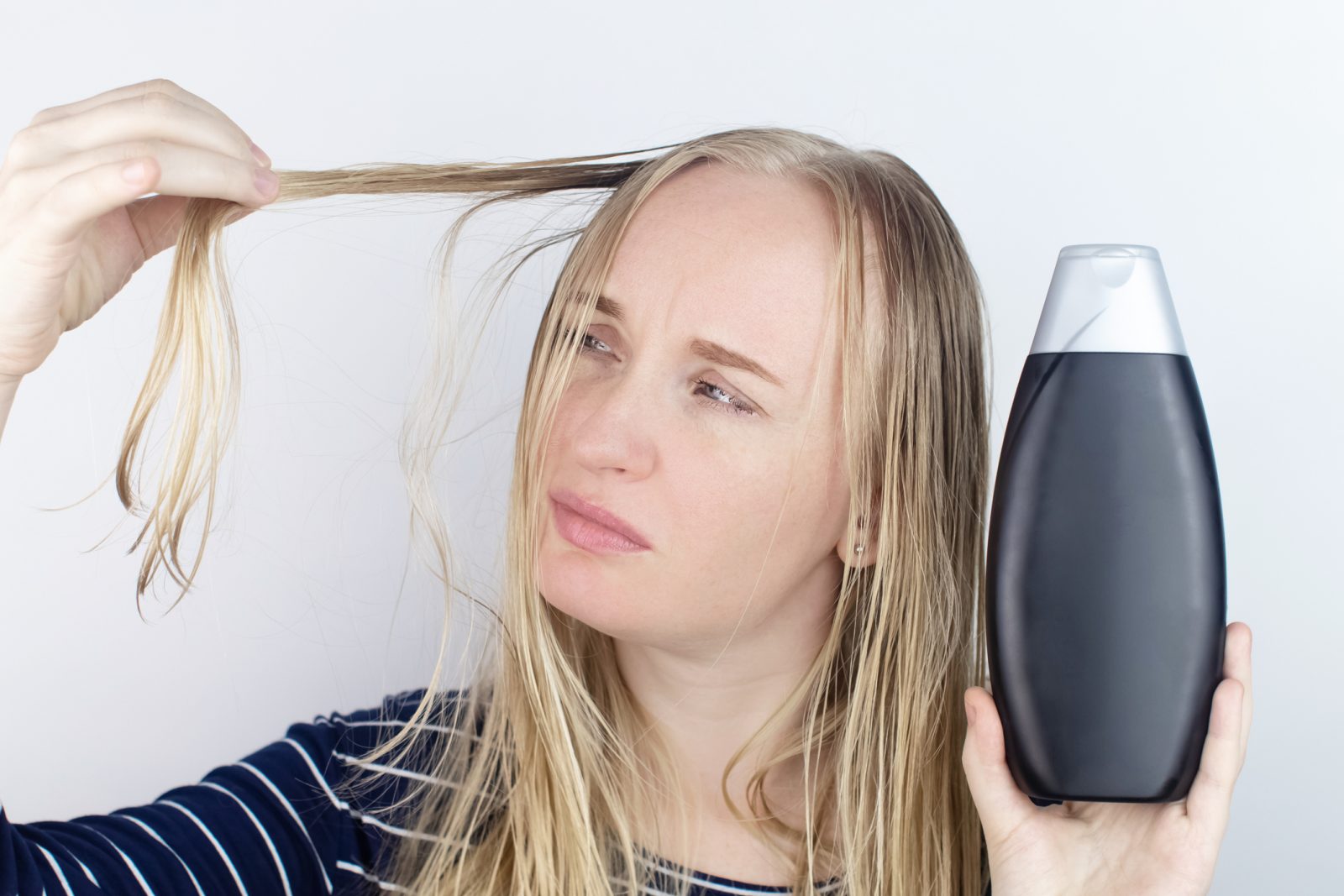
The question of how often we should wash our hair is surprisingly complex and often steeped in tradition rather than scientific evidence. While generations have sworn by daily washing, or conversely, infrequent cleansing, emerging dermatological insights suggest a more nuanced approach is needed. Concerns about damaging the scalp and contributing to hair loss are increasingly common, prompting a re-evaluation of established hair care routines.
Hair loss, or alopecia, is a widespread concern, affecting nearly one-third of women at some point in their lives, and a significant proportion of men. According to the NDR, losing more than 100 hairs daily, or noticing the development of bald patches, warrants investigation. While many factors contribute to hair loss – including genetics, stress, hormonal changes, and underlying medical conditions – the role of hair washing frequency is gaining attention.
Understanding the Scalp Microbiome and Hair Washing
The scalp, like the gut, harbors a complex microbiome – a community of bacteria, fungi, and other microorganisms. This microbiome plays a crucial role in maintaining scalp health, influencing factors like inflammation, sebum production, and even hair growth. Over-washing can disrupt this delicate balance, stripping the scalp of its natural oils and potentially leading to dryness, irritation, and even an overgrowth of certain microorganisms.
“A reliance on home remedies to expect a significant effect on hair loss is misleading,” explains Professor Dr. Natalie Garcia Bartels, a dermatologist, as reported by Freundin. She emphasizes that while some traditional remedies may improve hair structure and scalp health superficially, they don’t address the underlying causes of hair loss. Instead, she advocates for a professional diagnosis and targeted treatment when hair loss is a concern.
How Often *Should* You Wash Your Hair?
There’s no one-size-fits-all answer. The optimal washing frequency depends on several factors, including hair type, scalp oiliness, activity level, and personal preference.

- Fine Hair: Tends to grow oily more quickly and may benefit from washing every other day, or even daily, if necessary.
- Thick Hair: Can often go longer between washes, perhaps two to three times per week.
- Curly/Coily Hair: Generally requires less frequent washing, as the natural oils travel down the hair shaft more slowly. Once a week, or even less often, may be sufficient.
- Oily Scalp: May require more frequent washing to prevent buildup and maintain a clean scalp.
- Dry Scalp: Benefits from less frequent washing to avoid further stripping of natural oils.
It’s also important to consider your lifestyle. Individuals who exercise frequently or perform in environments with a lot of dust and pollution may necessitate to wash their hair more often.
The Impact of Hair Washing on Hair Loss
While infrequent washing can lead to buildup and potentially inflammation, excessive washing can also contribute to hair loss. Gofeminin.de highlights that hair loss can manifest in different forms, including androgenetic alopecia (hereditary hair loss) and diffuse hair loss, both of which can be exacerbated by improper hair care practices.
Here’s how washing frequency can impact hair loss:
- Over-washing: Can strip the scalp of essential oils, leading to dryness, irritation, and inflammation. This can weaken the hair shaft and make it more prone to breakage.
- Infrequent Washing: Can lead to a buildup of sebum, dead skin cells, and environmental pollutants on the scalp. This buildup can clog hair follicles, potentially hindering hair growth and contributing to inflammation.
- Harsh Shampoos: Shampoos containing harsh sulfates and other irritating ingredients can further disrupt the scalp microbiome and damage the hair shaft.
Choosing the Right Shampoo and Washing Technique
Selecting a gentle, sulfate-free shampoo is crucial for maintaining scalp health. Look for shampoos formulated with ingredients that nourish and soothe the scalp, such as aloe vera, chamomile, or tea tree oil. Avoid shampoos containing harsh chemicals, fragrances, and dyes.
The washing technique itself is also important:
- Water Temperature: Use lukewarm water, as hot water can strip the scalp of its natural oils.
- Massage: Gently massage the shampoo into the scalp using your fingertips, avoiding harsh scrubbing.
- Rinse Thoroughly: Ensure all shampoo is completely rinsed from the hair and scalp.
- Conditioner: Apply conditioner to the lengths and ends of the hair, avoiding the scalp.
Addressing Specific Types of Hair Loss
It’s important to remember that hair loss can have various underlying causes. As NDR explains, causes range from genetic predisposition and hormonal imbalances to stress and medical conditions like polycystic ovary syndrome (PCOS).
Here’s a brief overview of common types of hair loss:
- Androgenetic Alopecia: A hereditary condition affecting both men and women, characterized by gradual hair thinning.
- Telogen Effluvium: Temporary hair shedding often triggered by stress, illness, or hormonal changes.
- Alopecia Areata: An autoimmune condition causing patchy hair loss.
If you are experiencing significant hair loss, it’s essential to consult a dermatologist to determine the underlying cause and receive appropriate treatment. Medications, such as minoxidil and finasteride, can be effective in treating certain types of hair loss, but they should only be used under the guidance of a healthcare professional.
Key Takeaways
- Washing frequency should be tailored to individual hair type, scalp oiliness, and lifestyle.
- Over-washing can disrupt the scalp microbiome and contribute to hair loss, while infrequent washing can lead to buildup and inflammation.
- Choosing a gentle, sulfate-free shampoo and using a proper washing technique are crucial for maintaining scalp health.
- Significant hair loss warrants a visit to a dermatologist to determine the underlying cause and receive appropriate treatment.
finding the right hair washing routine is a process of experimentation and observation. Pay attention to how your scalp and hair respond to different frequencies and products, and adjust accordingly. Prioritizing scalp health is key to maintaining strong, healthy hair and minimizing the risk of hair loss.
For those concerned about hair loss, seeking professional medical advice remains the most effective course of action. Further research into personalized hair care routines and the evolving understanding of the scalp microbiome is ongoing, promising more targeted and effective solutions in the future. Stay informed and consult with a dermatologist to address any concerns you may have.
Keep reading